
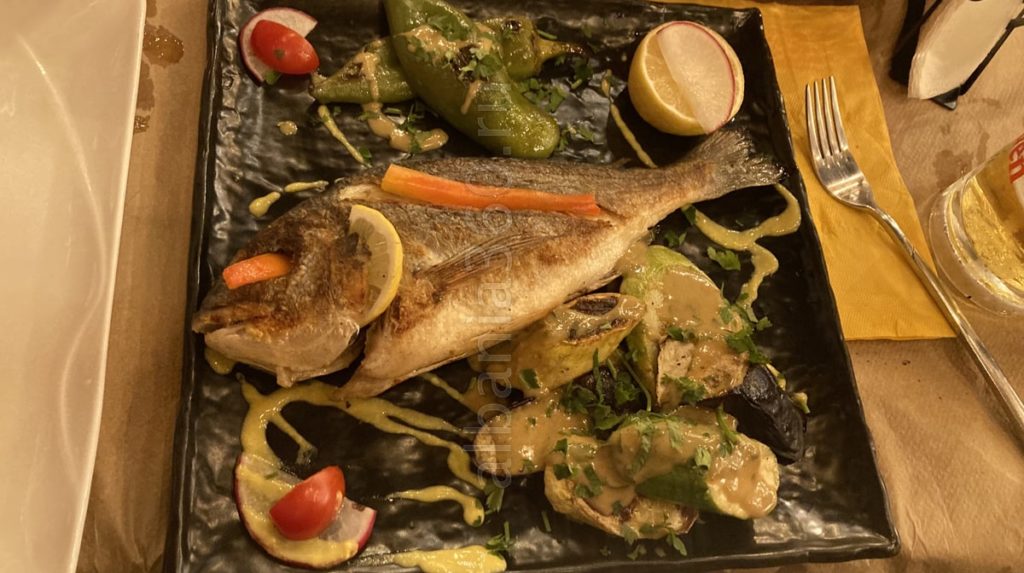
Albanian cuisine also has its own unique dishes. Here are ten recipes for traditional Albanian dishes:
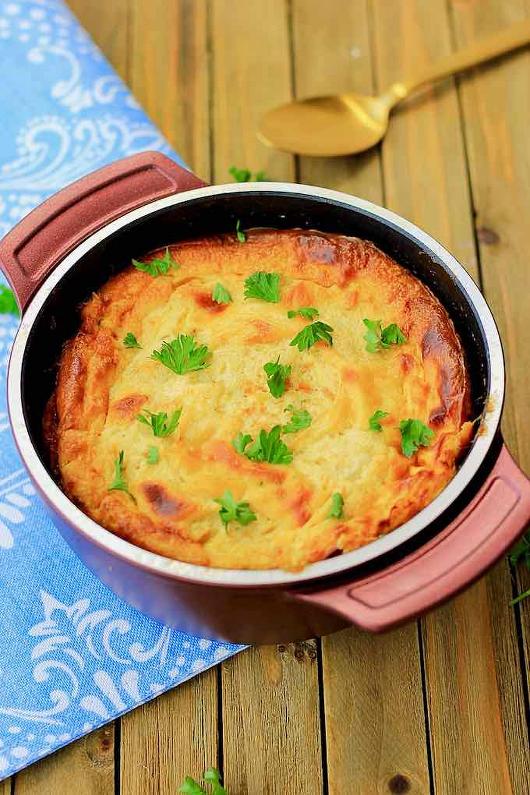
Tavë Kosi: Baked beef or lamb covered with a milk-and-egg mixture, often served with rice.
Ingredients:
- 500 g beef or lamb, cut into small pieces
- 1 kg strained yoghurt
- 4 eggs
- 2 tbsp rice
- 2 tbsp butter
- 1 tbsp flour
- Salt and pepper to taste
- 1 tsp butter for the dish
Method:
- Cooking the beef/lamb:
- First fry the chopped meat in a pan with a little butter until golden.
- Preparing the yoghurt:
- In a large bowl, mix the yoghurt and eggs. Stir well until smooth.
- Adding the rice:
- Add the rice to the yoghurt mixture and stir.
- Adding the butter and flour:
- Add the butter and flour to the mixture. Stir so that no lumps form.
- Seasoning and salt:
- Add salt and pepper to taste and mix well.
- Assembling the Tavë Kosi:
- Grease the dish with butter and spread the fried meat over the bottom.
- Cover the meat with the yoghurt and rice mixture.
- Baking:
- Preheat the oven to about 180 degrees Celsius.
- Bake for about 1 hour, or until the top is golden and the mixture has set.
- Serving:
- Tavë Kosi is served hot. It can be accompanied by fresh bread or herbs to taste.
This recipe reflects the traditional way of making Tavë Kosi, which is also very popular in Kosovan cuisine.
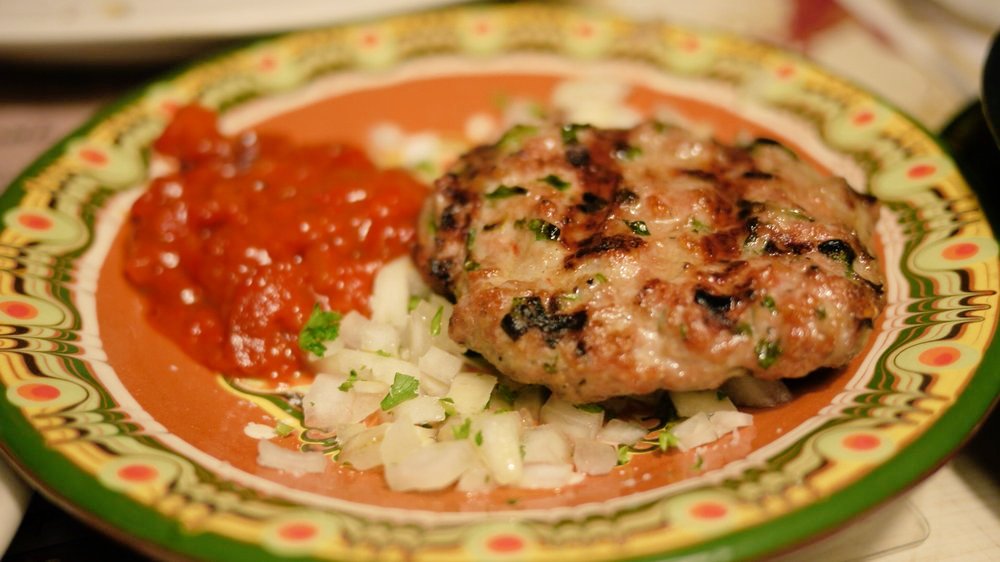
Qofte: Meat patties made from various kinds of meat (usually beef or pork), often with onion and spices.
Ingredients:
- 500 g minced meat (beef or pork, or a combination)
- 1 onion, finely chopped
- 2 cloves of garlic, crushed
- 1 egg
- 2 tbsp breadcrumbs (or a bread roll) soaked in milk
- 1/4 tsp cumin
- Salt and pepper to taste
- Fresh parsley or coriander, chopped (for garnish and flavour)
- Oil for frying
Method:
- Preparing the mince:
- In a large bowl, mix the mince, chopped onion, garlic, egg, soaked breadcrumbs, cumin, salt and pepper.
- Shaping the qofte:
- Shape the mixture into small patties or balls, which can be flattened.
- Frying:
- Heat the oil in a frying pan over medium heat.
- Fry the qofte until golden and cooked through.
- Serving:
- Qofte are served hot, garnished with fresh parsley or coriander.
- They can be served with sauces, salads or bread.
This recipe lets you enjoy the authentic taste of Albanian qofte, known for their flavour and traditional preparation.
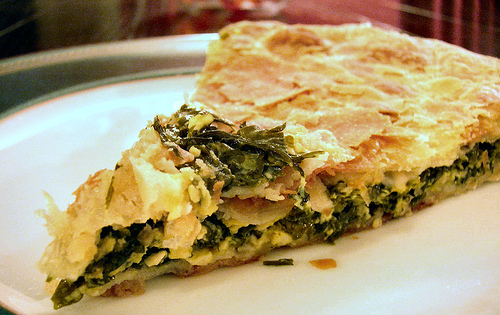
Byrek: A pastry or filo-dough pie filled with meat, cheese, spinach or pumpkin.
Ingredients:
For the pastry:
- 500 g Albanian pastry sheets (shop-bought or homemade)
- 1/2 cup oil (to brush the pastry)
For the filling (cheese and spinach version):
- 500 g fresh spinach, chopped
- 200 g feta cheese, crumbled
- 2 eggs
- Salt and pepper to taste
Method:
- Preparing the pastry:
- Make or buy Albanian pastry sheets.
- Unroll the pastry on a work surface.
- Preparing the filling:
- In a bowl, mix the chopped spinach, feta, eggs, salt and pepper. Stir until evenly combined.
- Assembling the byrek:
- Grease a baking dish with oil.
- Lay the first sheet of pastry in the dish and brush with oil.
- Spread some of the filling over the pastry.
- Keep building layers, alternating pastry and filling, and finish with a top layer of pastry.
- Baking:
- Bake in an oven preheated to about 180 degrees Celsius for 30–40 minutes, or until golden.
- Serving:
- Byrek is served warm or cold. It can be cut into portions and served as a main dish or a snack.
This recipe lets you enjoy the authentic taste of Albanian byrek, which is popular in many regions of the country.
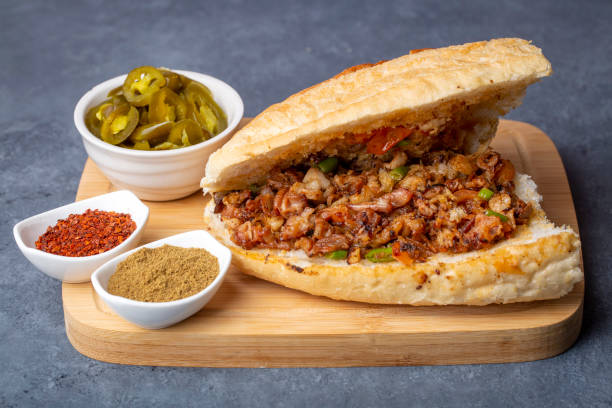
Kokoreç: A special dish of fried or roasted meat, usually beef, chopped and mixed with offal, served in a pocket of flatbread.
The traditional kokoreç recipe involves preparing and cooking offal and meat, which are then marinated and cooked over charcoal or wood-fired grills. Here is a basic recipe:
Ingredients:
- 500 g lamb or goat offal (heart, kidneys, liver, stomach, etc.)
- 500 g lamb or goat meat (a combination of different cuts can be used)
- Salt and pepper to taste
- 1 tsp dried herbs (rosemary, thyme, etc.)
- Juice of half a lemon
- 1/4 cup oil (olive or other, to taste)
- 1 tsp cumin (optional)
- Wooden or metal skewers for threading
Method:
- Preparing the offal and meat:
- Wash and clean the offal and meat thoroughly.
- Cut them into small pieces.
- Marinating:
- In a large bowl, combine the offal and meat.
- Add the salt, pepper, herbs, lemon juice and cumin. Mix well.
- Add the oil and mix again.
- Cover the bowl and leave to marinate for at least 2–4 hours or overnight in the fridge.
- Threading and cooking:
- Thread the meat and offal onto the wooden or metal skewers.
- Cook over a charcoal or wood-fired grill for 30–40 minutes or until done, adjusting the height above the fire.
- Serving:
- Serve hot, cut into portions.
- It can be served with bread, tomatoes, peppers and sauces to taste.
This recipe lets you recreate the authentic taste of kokoreç, which is very popular in the cuisines of many regions.
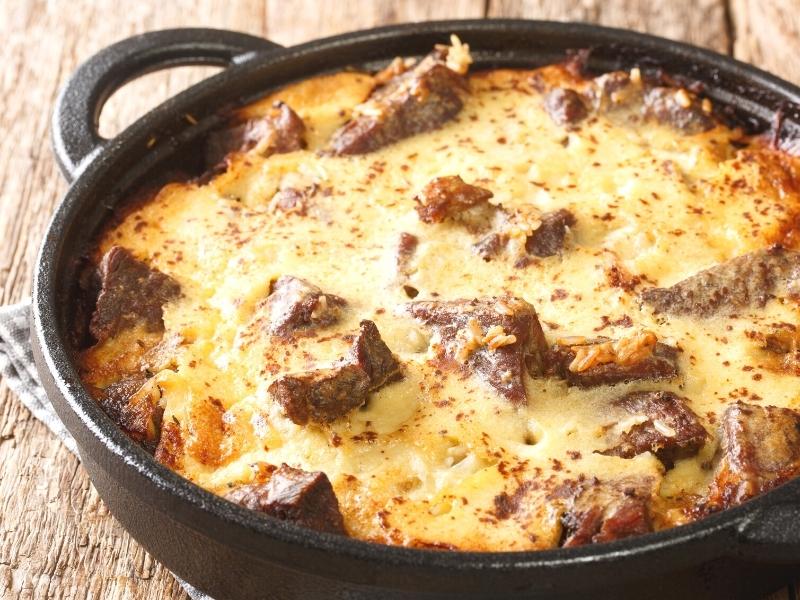
Tavë Elbasani: A stew of beef or lamb with vegetables, cooked in a thick sauce.
This is a traditional Albanian dish cooked in a clay or metal dish, often containing meat, vegetables and various spices. Here is a basic recipe:
Ingredients:
- 500 g beef or goat meat, cut into cubes
- 2 onions, cut into thin rings
- 2 large potatoes, cut into thin slices
- 2 tomatoes, diced
- 1 green pepper, cut into rings
- 2 eggs
- 1/2 cup rice
- 1/4 cup oil (olive or other, to taste)
- Salt and pepper to taste
- 1 cup tomato sauce
- 1/2 cup tomato purée
- 2 cups stock (beef or chicken)
- Spices to taste (parsley, basil, oregano)
Method:
- Cooking the meat:
- First brown the meat in hot oil in a large frying pan until golden. Season with salt and pepper to taste.
- Cooking the vegetables:
- Add the onion to the meat and cook until soft.
- Add the potatoes, tomatoes and green pepper. Cook for a few more minutes.
- Cooking the rice:
- Add the rice and cook for a few more minutes, stirring.
- Preparing the tomato sauce:
- In a bowl, mix the tomato sauce, tomato purée and stock. Add salt, pepper and spices to taste.
- Assembling the tavë:
- Transfer the contents of the pan to a baking dish or tavë.
- Pour the tomato sauce over the meat and vegetables.
- Baking:
- Bake in an oven preheated to about 180 degrees Celsius for 30–40 minutes, or until the dish is golden.
- Serving:
- Serve hot, garnished with fresh herbs. It can be served with cheese or thick yoghurt.
This traditional Tavë Elbasani recipe impresses with the rich flavours and aromas that characterise Albanian cuisine.
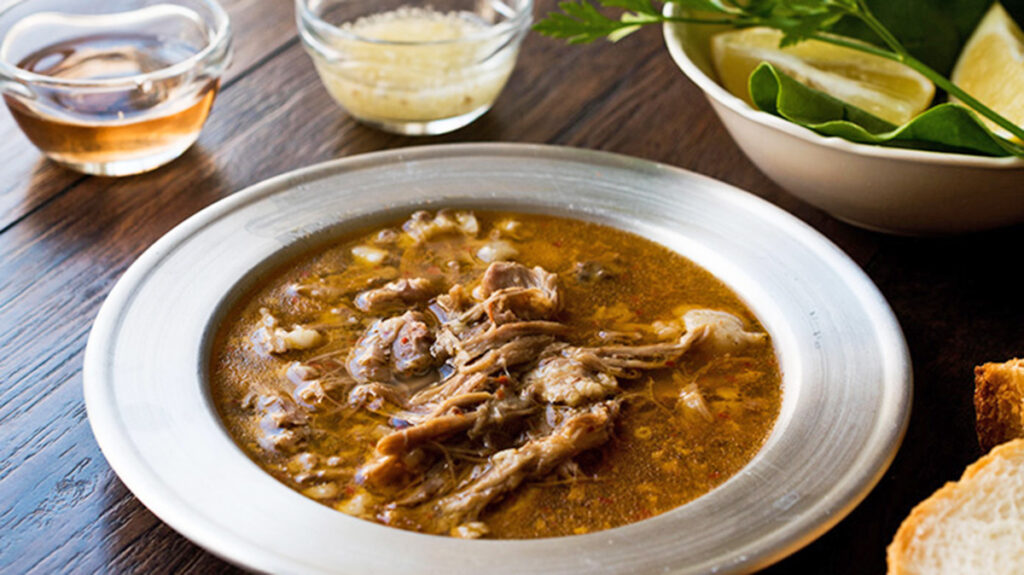
Paçe: A special soup made from boiled brain or other parts of cattle, with garlic and lemon.
The traditional recipe for the Albanian dish “Paçe” uses a calf’s or goat’s foot, head and other parts of the animal. This dish needs long cooking to achieve tenderness and a rich flavour. Here is a basic recipe:
Ingredients:
- 1 calf’s or goat’s foot
- 1 calf’s or goat’s head (with eyes and brain)
- 1/2 cup vinegar
- 1/4 cup oil (olive or other, to taste)
- 1 onion, cut into thin rings
- 3–4 cloves
- 1 bay leaf
- Salt and pepper to taste
Method:
- Preparing the ingredients:
- Wash the foot and head and clean off any remaining hair or other impurities.
- Remove the eyes and brain from the head.
- Boiling:
- Put the foot and head in a large pot or clay tavë.
- Add enough water to cover the meat completely.
- Add the vinegar, oil, onion, cloves, bay leaf, salt and pepper.
- Cook over a moderate heat for several hours, or until the meat is very tender.
- Cleaning and serving:
- After boiling, remove the foot and head from the broth.
- Pull the meat into smaller pieces and remove the bones and cartilage.
- Return the meat to the broth and add more salt and pepper to taste.
- Continue cooking over a moderate heat for at least another hour.
- Serving:
- Paçe is served hot, often in soup bowls.
- Garnish with fresh herbs or lemon juice to taste.
- It can be served with bread or sour milk.
This dish has a special flavour and texture thanks to the use of different parts of the calf or goat and the long cooking time, which gives a rich broth and incredibly tender meat.
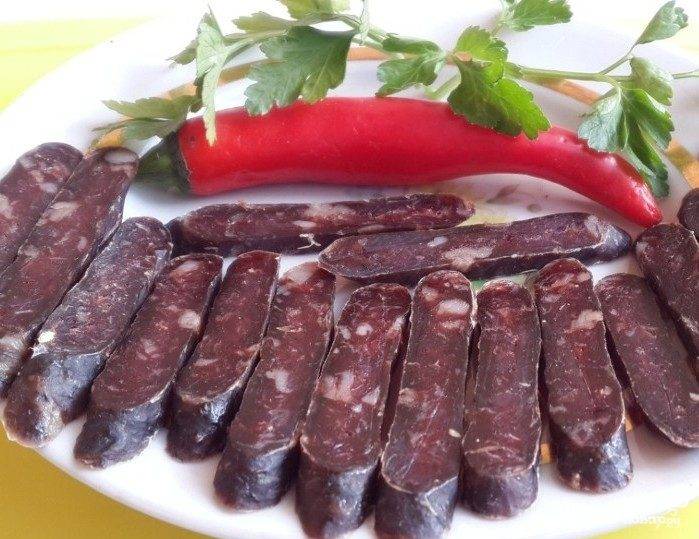
Sujuk: A sausage made from minced meat, usually beef or pork, seasoned with garlic, red pepper and other spices.
The traditional recipe for sujuk, a popular Eastern European and Middle Eastern sausage, can vary slightly from region to region. Here is a general recipe for making sujuk:
Ingredients:
- 1 kg beef or pork (a combination can be used)
- 150 g pork fat (for the pork version)
- 1 tsp nitrite curing salt (as a preservative)
- 20 g garlic, crushed
- 30 g salt
- 20 g sugar
- 10 g black pepper (ground)
- 5 g red pepper (ground)
- 5 g coriander (optional)
- Sausage casing
Method:
- Preparing the meat:
- Wash the meat thoroughly and pat dry.
- Cut into small cubes to make mincing easier.
- Preparing the spices:
- In a bowl, mix the salt, sugar, garlic, black pepper, red pepper and coriander.
- Mincing the meat:
- Mince the meat and fat in a meat grinder or use a blender until you have mince.
- Mixing the ingredients:
- Add the salt and spice mixture to the mince and mix well.
- Filling the casing:
- Fill the casing with the mince to form long sausages. Be sure to avoid air pockets in the sausage.
- Drying and curing:
- After filling, leave the sausages for several hours or even overnight to dry and cure.
- Boiling and frying:
- Fry the sujuk in a pan or put it on the grill.
- Boil the sausage in water for 30–40 minutes until cooked.
- Cooling and storage:
- Cool the sujuk, then store it in the fridge.
Sujuk is ready to eat on its own or as an ingredient in various dishes. It’s important to follow all the rules for curing and handling meat for a safe and tasty product.
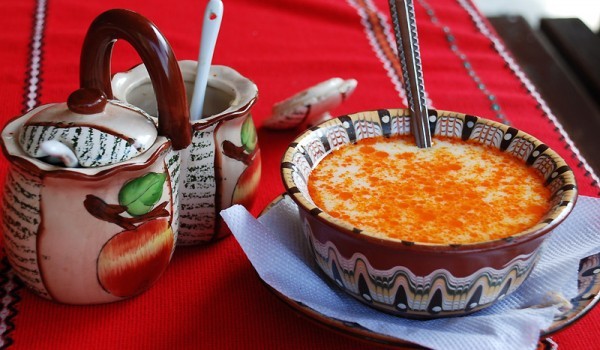
Shkembe chorba: A soup made from tripe and other offal, seasoned with garlic, paprika and vinegar.
This is a traditional dish of Bulgaria, Turkey, Greece and other Balkan countries, made from the tripe and offal of a calf or lamb. It has a rich flavour and a distinctive texture. Here is a general recipe:
Ingredients:
- 500 g calf or lamb tripe
- 300 g garlic cloves, crushed
- 1 cup vinegar
- 1 cup ground paprika
- Salt and pepper to taste
- 1 cup vinegar
- 1 cup ground buckwheat
- 1.5 litres stock (beef or chicken)
- Bay leaf
- Sour cream and fresh herbs for serving
Method:
- Preparing the tripe:
- Wash the tripe thoroughly and plunge it into boiling water (water with vinegar).
- Cooking the tripe:
- Boil the tripe in water for an hour or until it becomes tender.
- Preparing the garlic and paprika:
- Crush the garlic cloves thoroughly and mix the paprika with the vinegar. This will be the base for a flavourful sauce.
- Preparing the broth:
- In a large pot, bring the stock to the boil, add the tripe, bay leaf, salt and pepper. Simmer until the tripe is tender.
- Adding the garlic and paprika:
- Add the garlic and the paprika-vinegar mixture to the pot. Simmer over a moderate heat for another 15–20 minutes.
- Adding the buckwheat:
- Add the buckwheat and cook for another 20–25 minutes or until the buckwheat is soft.
- Adjusting the seasoning:
- Taste and adjust with salt, pepper and other spices to your liking.
- Serving:
- Serve hot, topped with sour cream and garnished with fresh herbs.
Shkembe chorba is often served as a tasty and refined dish in the Balkan region.
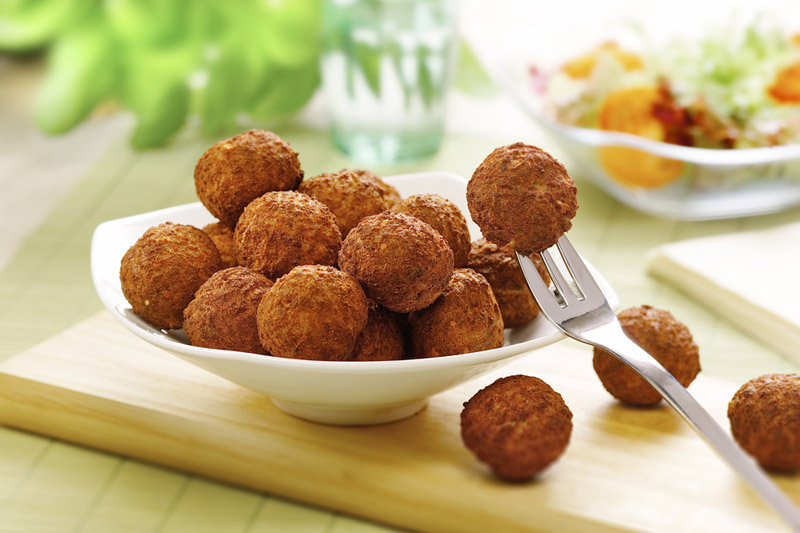
Qofte të Tiranës (Tirana meatballs): Patties of meat (usually beef or pork), sometimes shaped into large rolls, often served with potatoes.
This is a traditional Albanian dish of patties made from meat and spices. It’s a popular dish, often served with various side dishes or in buns. Here is a basic recipe:
Ingredients:
- 500 g beef or pork, minced
- 1 onion, finely chopped
- 2 eggs
- 1/2 cup dried breadcrumbs or fresh breadcrumbs
- 2 tbsp parsley, chopped
- 1 tsp salt
- 1/2 tsp black pepper
- 1/2 tsp cumin (optional)
- Oil for frying
Method:
- Preparing the ingredients:
- In a large bowl, mix the minced meat, chopped onion, eggs, breadcrumbs, parsley, salt, pepper and, if you like, cumin.
- Shaping the patties:
- Shape the mixture into small patties or balls.
- Frying:
- Heat the oil in a frying pan over medium heat.
- Fry the patties on both sides until golden brown and cooked through.
- Serving:
- Serve hot, in buns or with various side dishes to taste.
This dish has an aromatic flavour and is a frequent part of Albanian cuisine. You can experiment with spices and seasonings to enjoy tasty Tirana qofte to your liking.
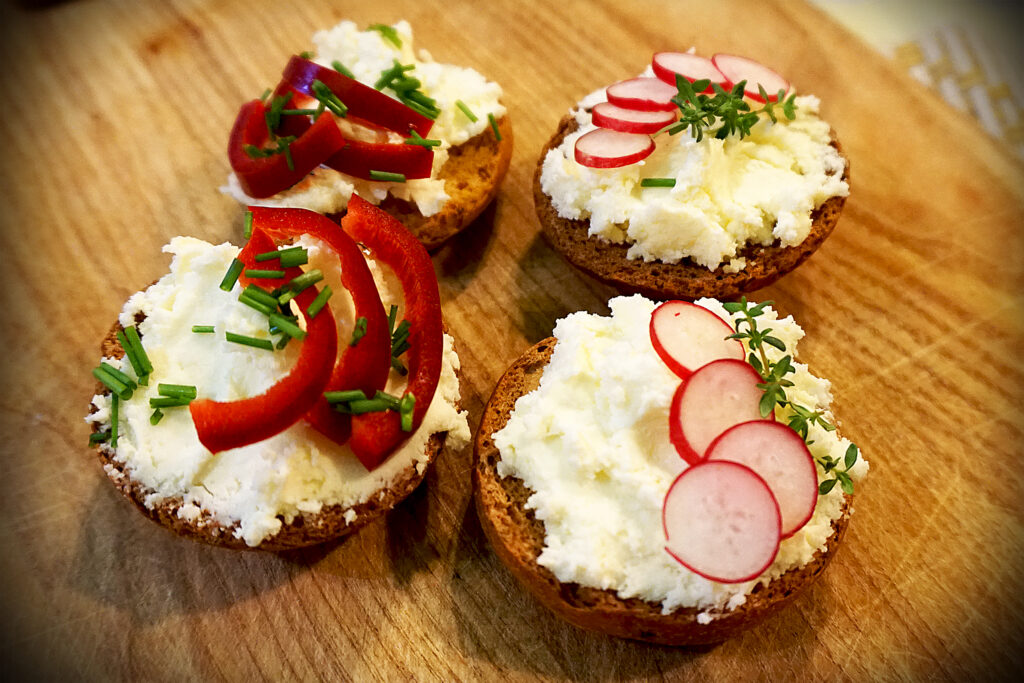
Kaymak: A traditional Albanian dairy product served as a soft cream, usually with fresh bread.
This is a traditional Balkan dish, popular in various countries such as Serbia, Montenegro, North Macedonia and others. It’s a creamy cheese spread usually served with fresh bread or pancakes. Here is a basic recipe:
Ingredients:
- 200 g kaymak (traditionally made from sheep’s milk, but cow’s milk can also be used)
- 50 g butter
- Salt to taste
Method:
- Preparing the kaymak:
- Bring a large amount of milk to the boil in a deep pot.
- Add the kaymak (thick cream cheese) to the milk, stirring thoroughly.
- Cooking the kaymak:
- Reduce the heat and continue to cook over a moderate heat, stirring constantly, until the kaymak becomes soft and smooth.
- Adding the butter and salt:
- Add the butter and salt to taste, stirring until completely melted and the desired consistency is reached.
- Serving:
- Kaymak is served hot with fresh bread, pancakes or other accompaniments of your choice.
This dish is often eaten for breakfast or as a snack in the Balkan region. You can experiment with adding ingredients to achieve the flavour and texture you want.
Your comments