
We went on the excursion to Chornobyl from Kyiv with the travel agency kava. Travel to Kyiv is not included in the price of the excursion. Lunch at the canteen in Chornobyl is also paid separately (you can bring your own food).
My wife and I really enjoyed this excursion. It was our first time in Chornobyl, and I’d happily go again.
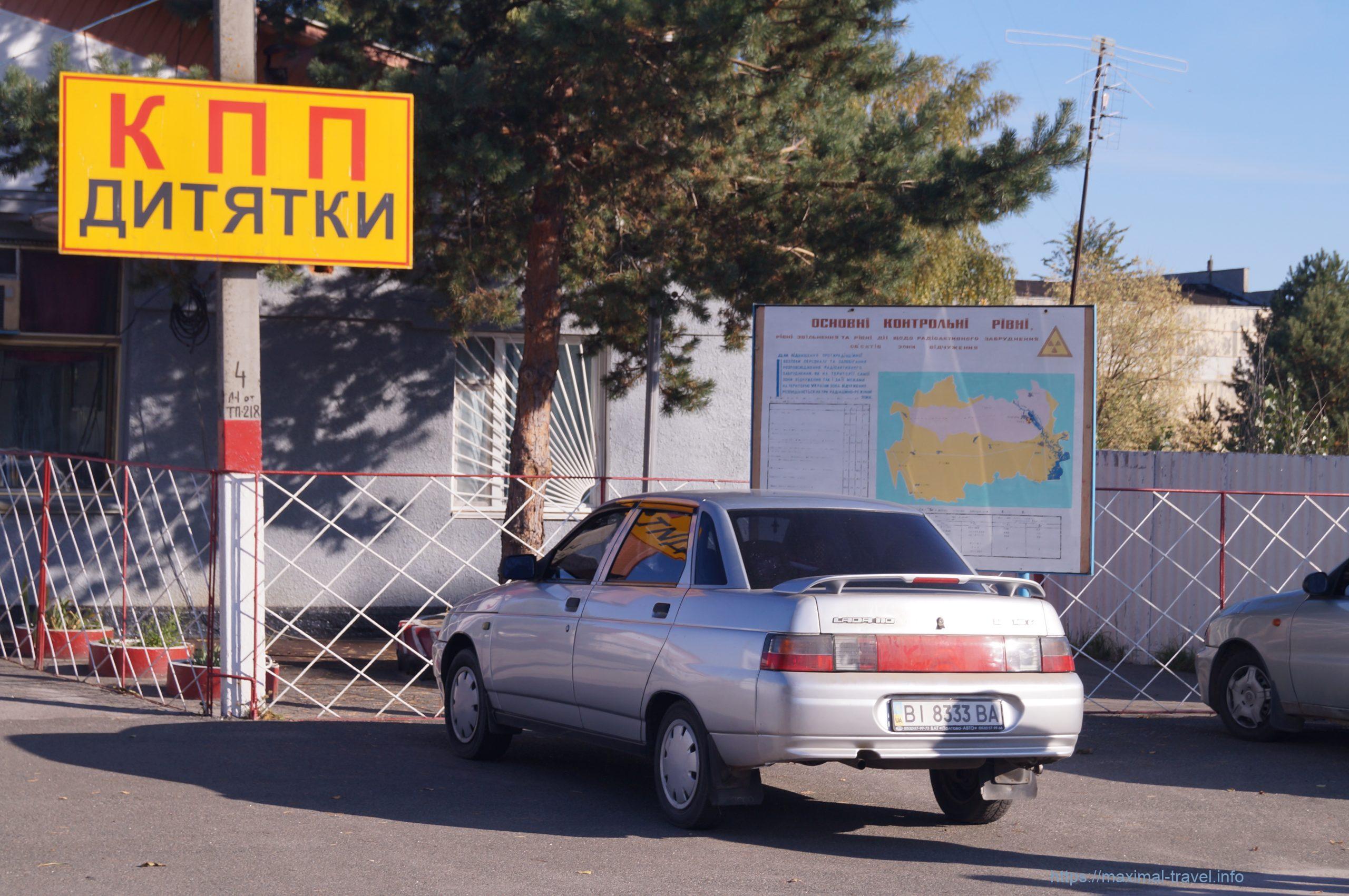
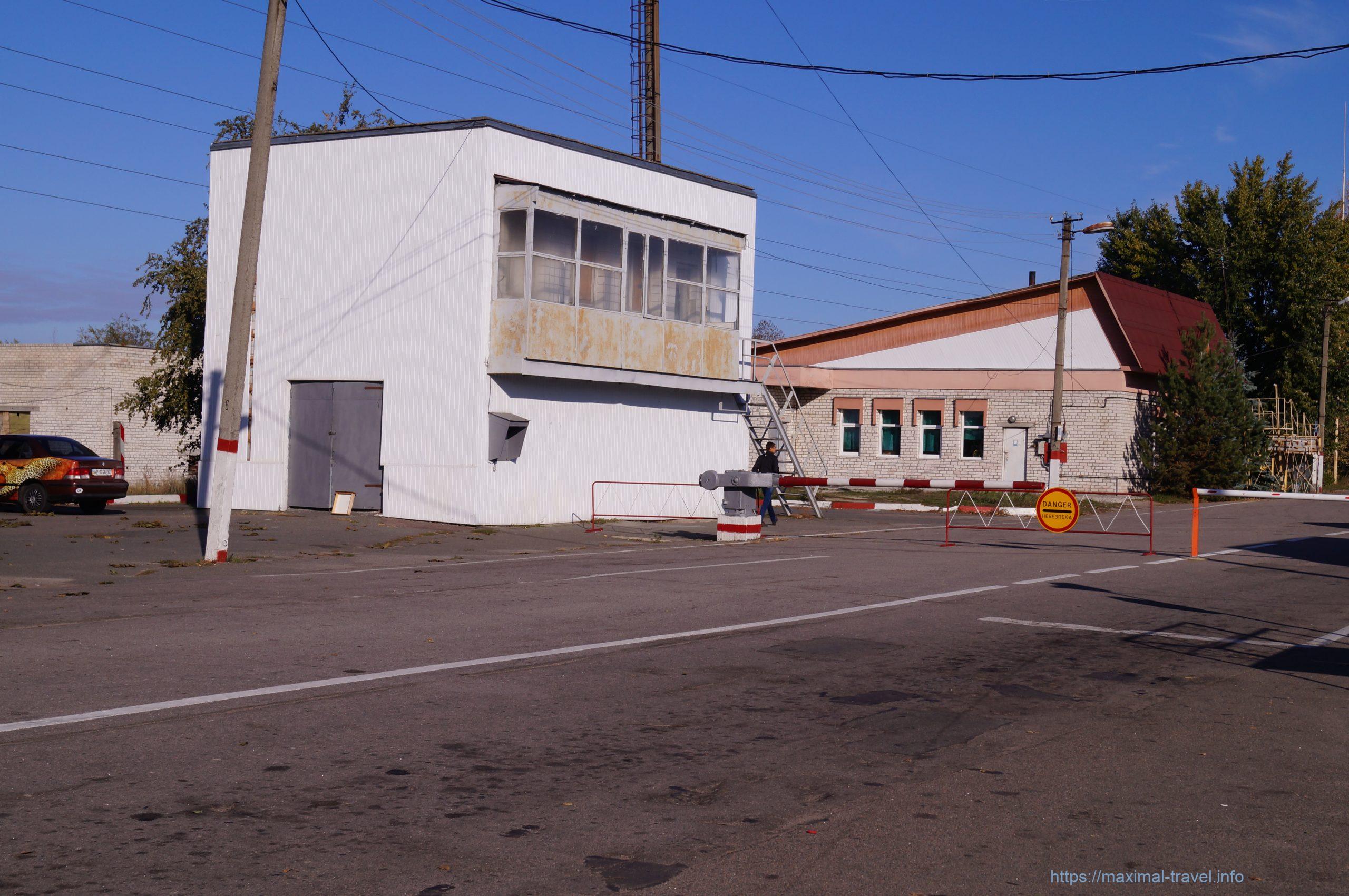
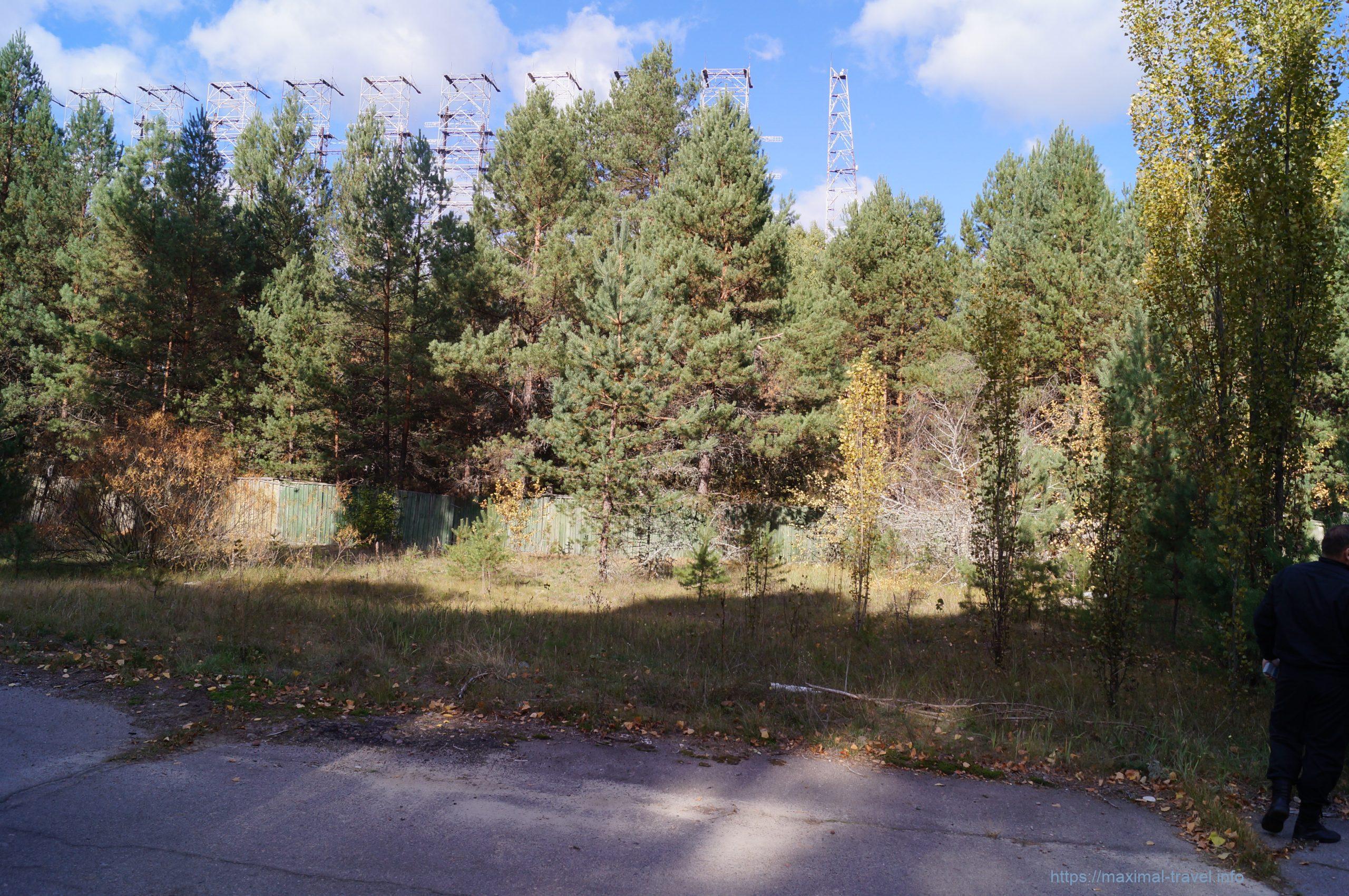
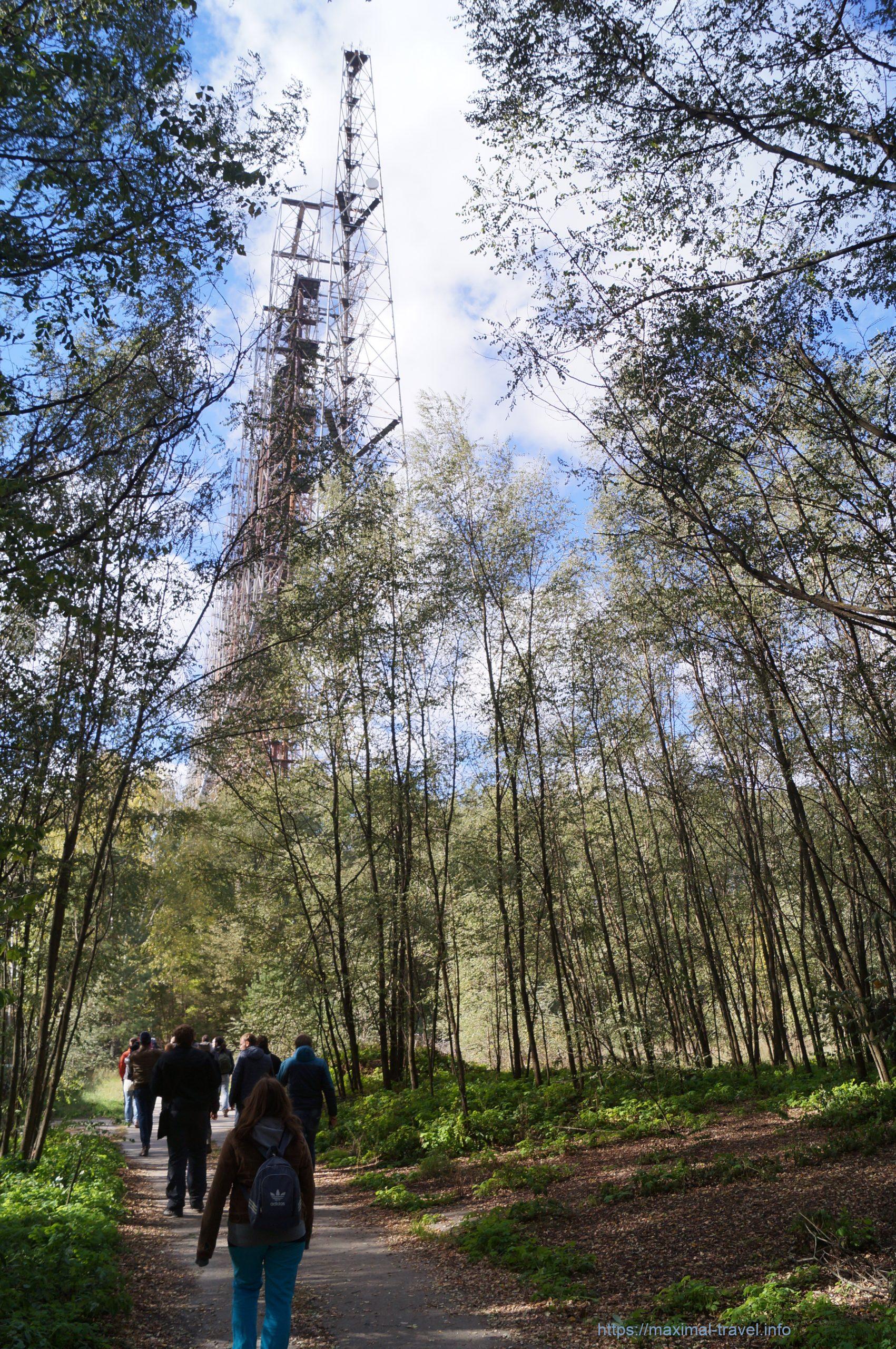
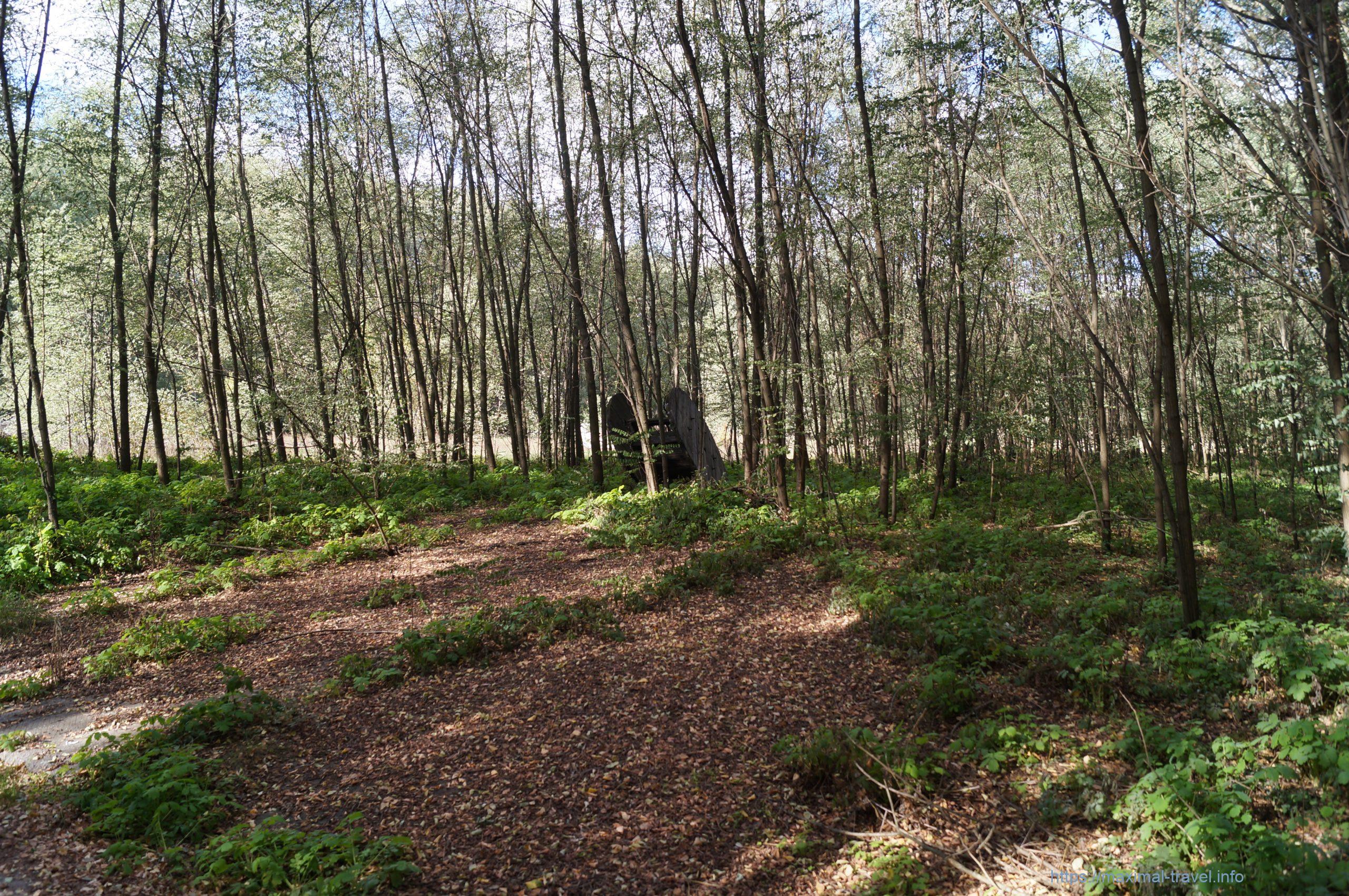
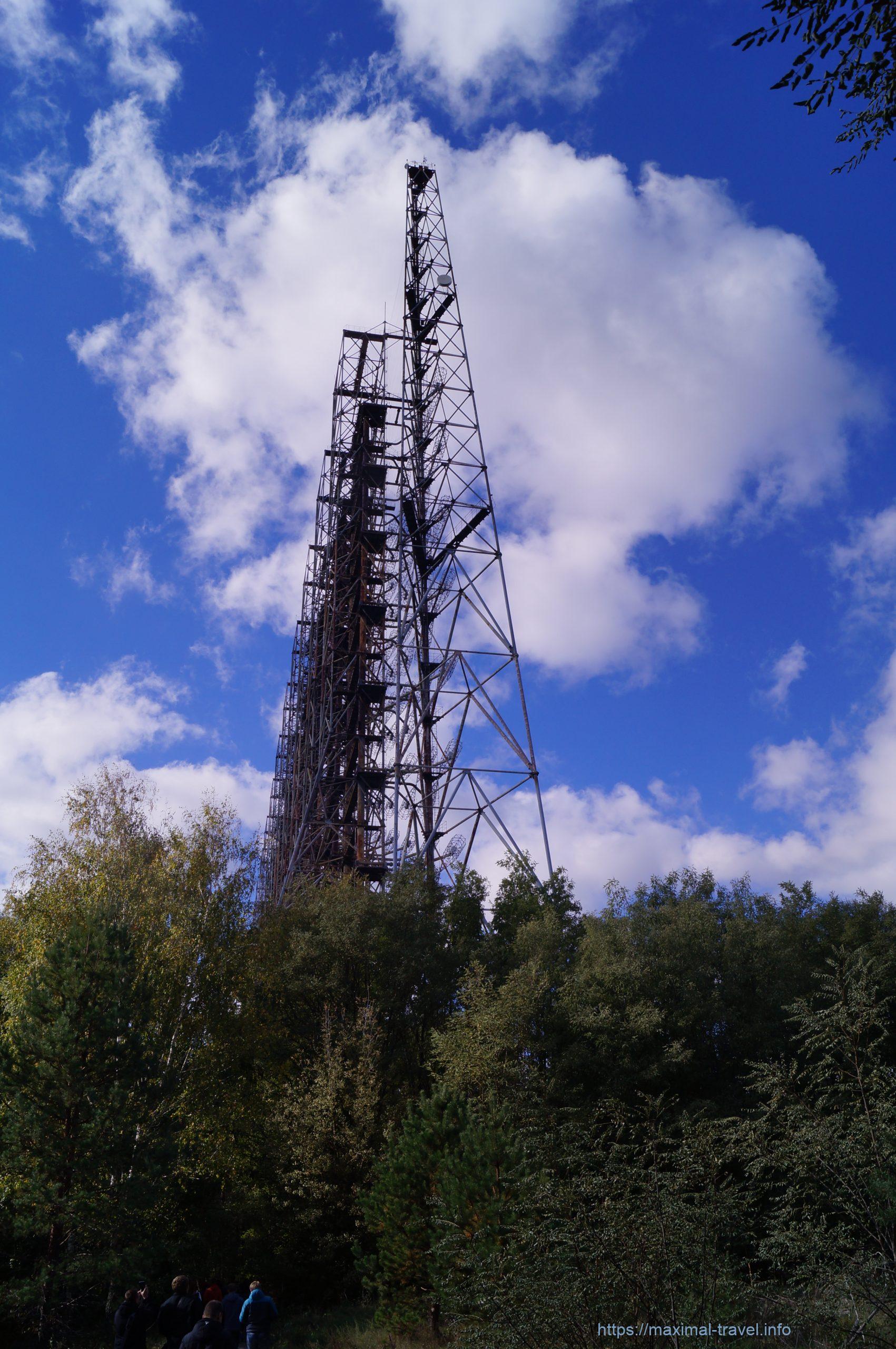
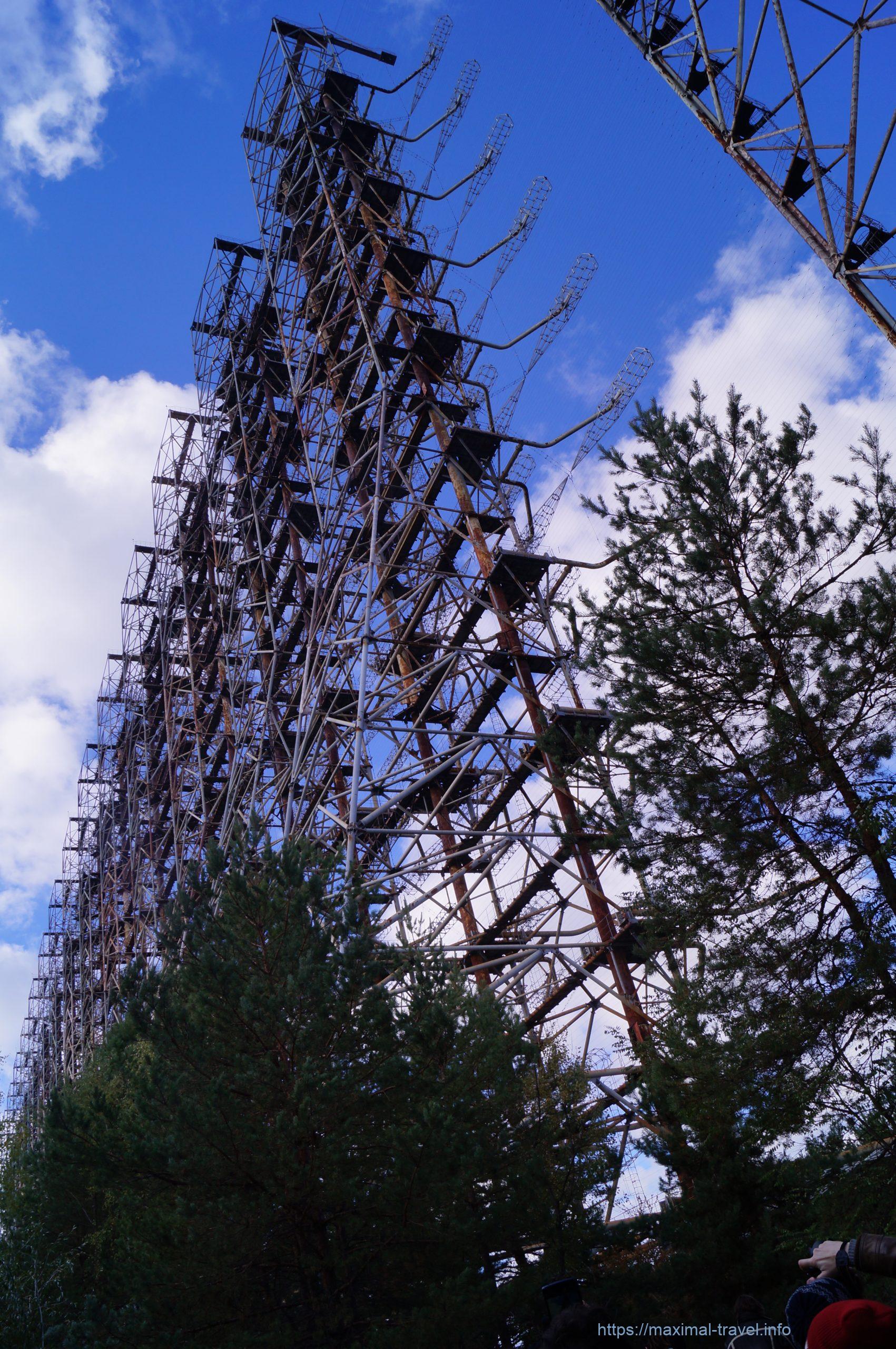
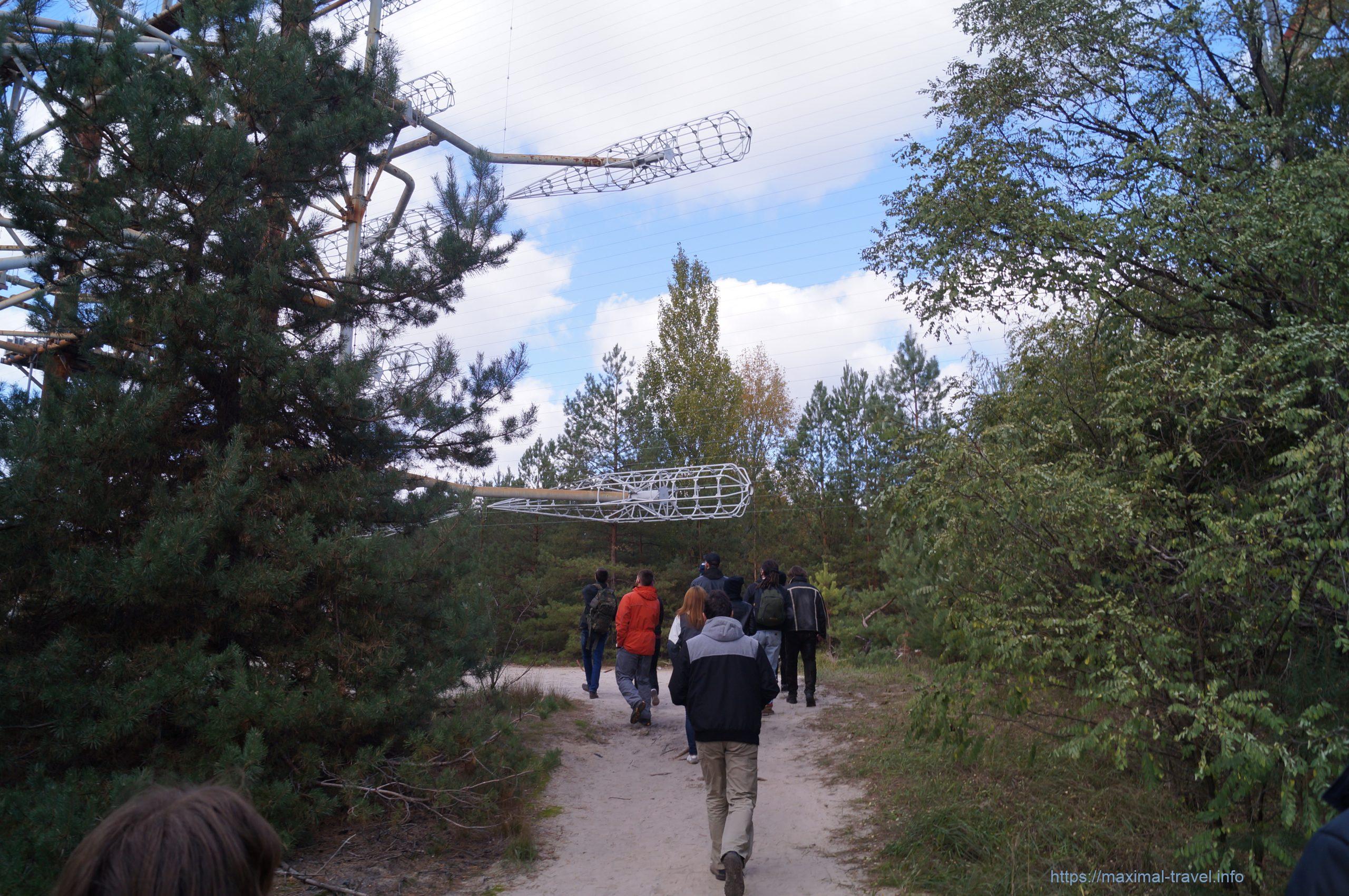
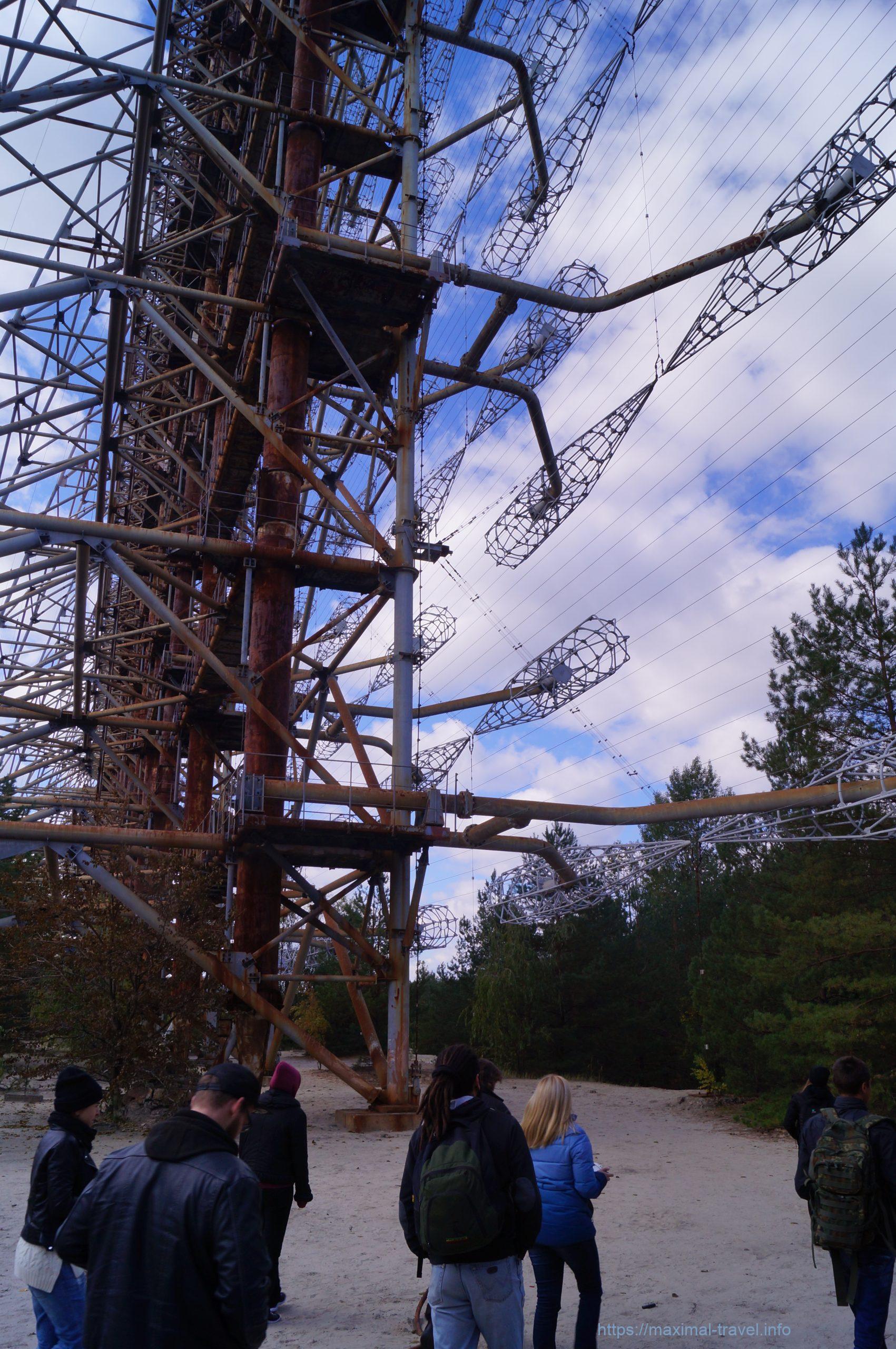
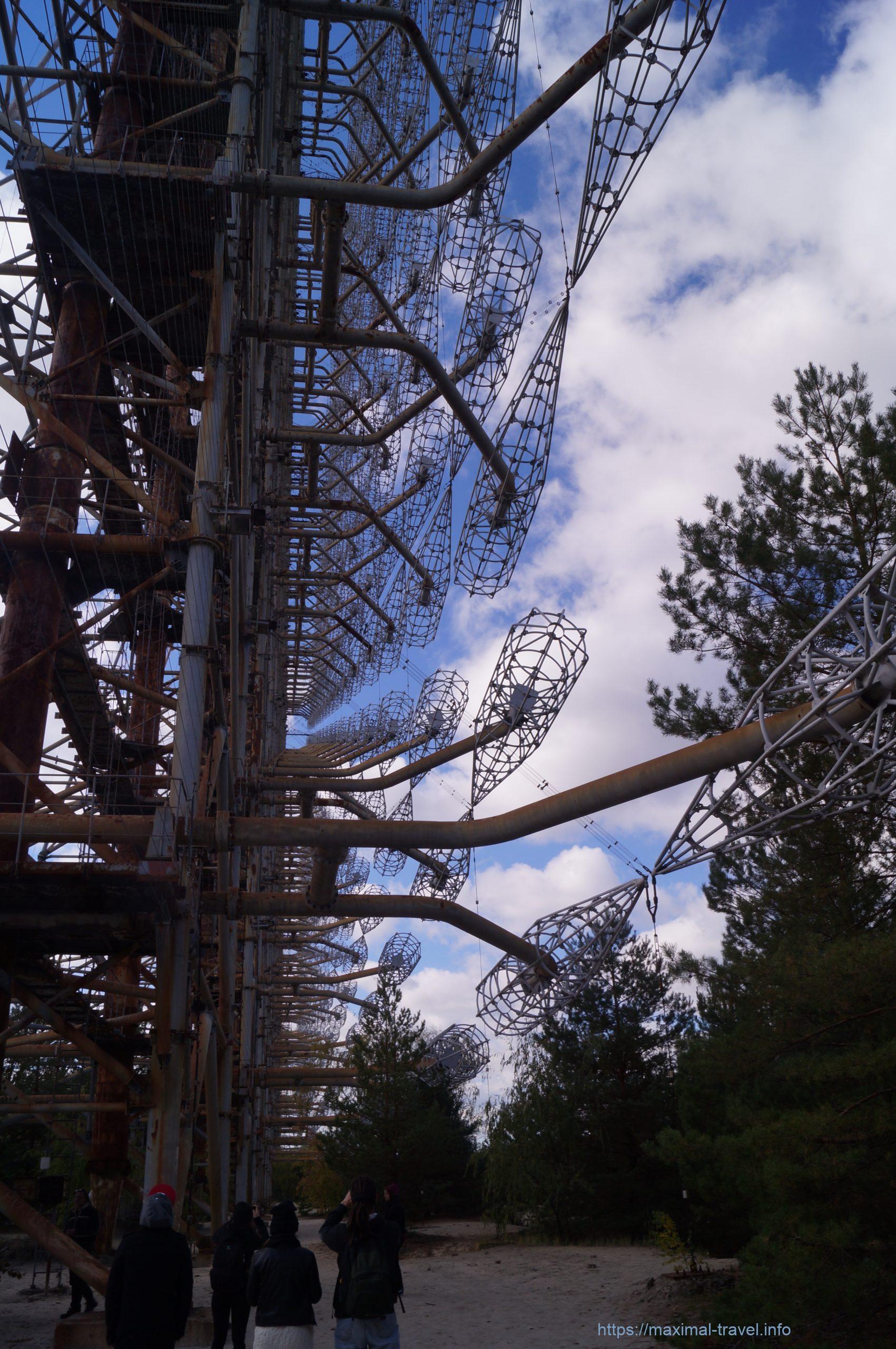
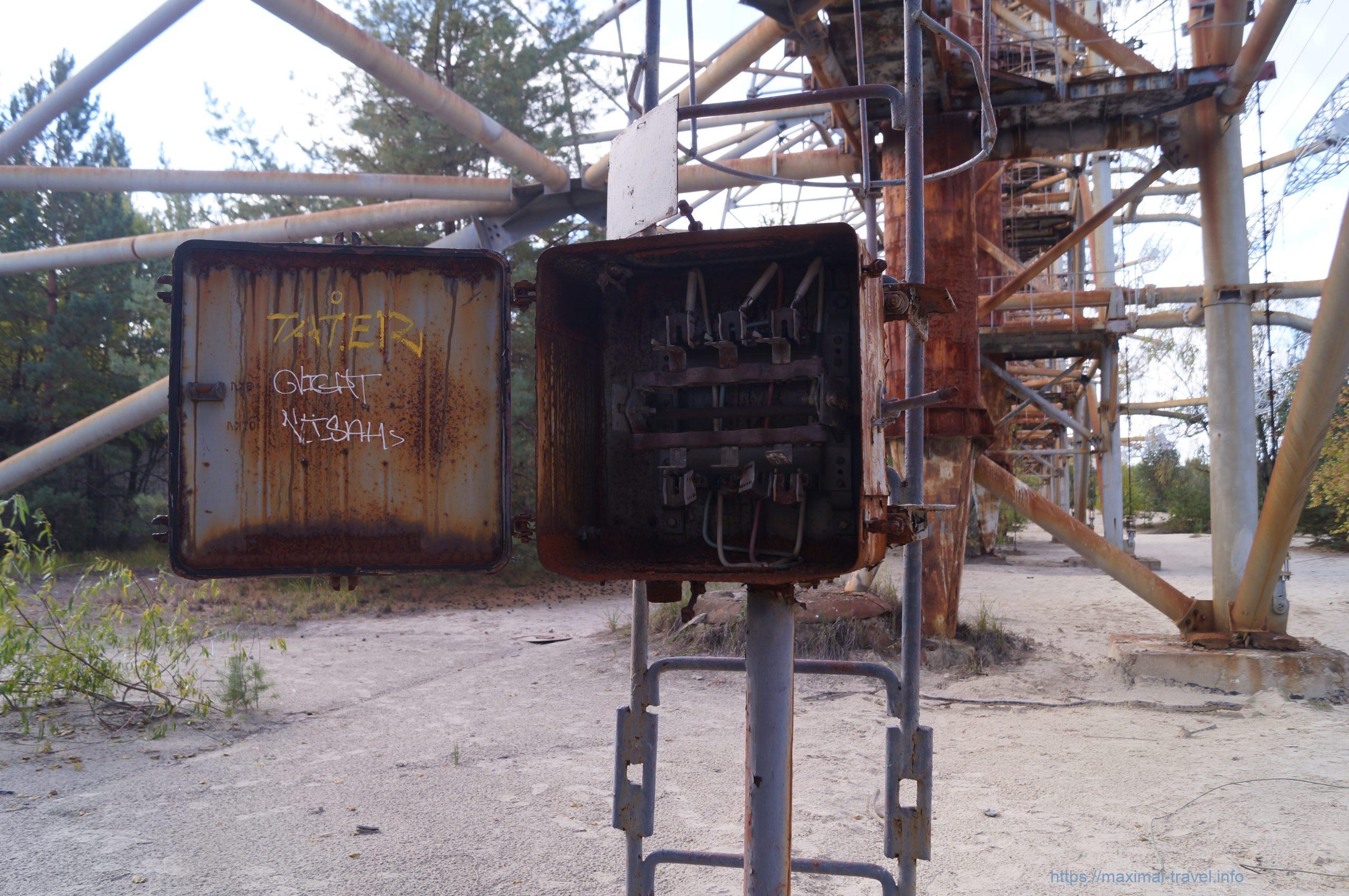
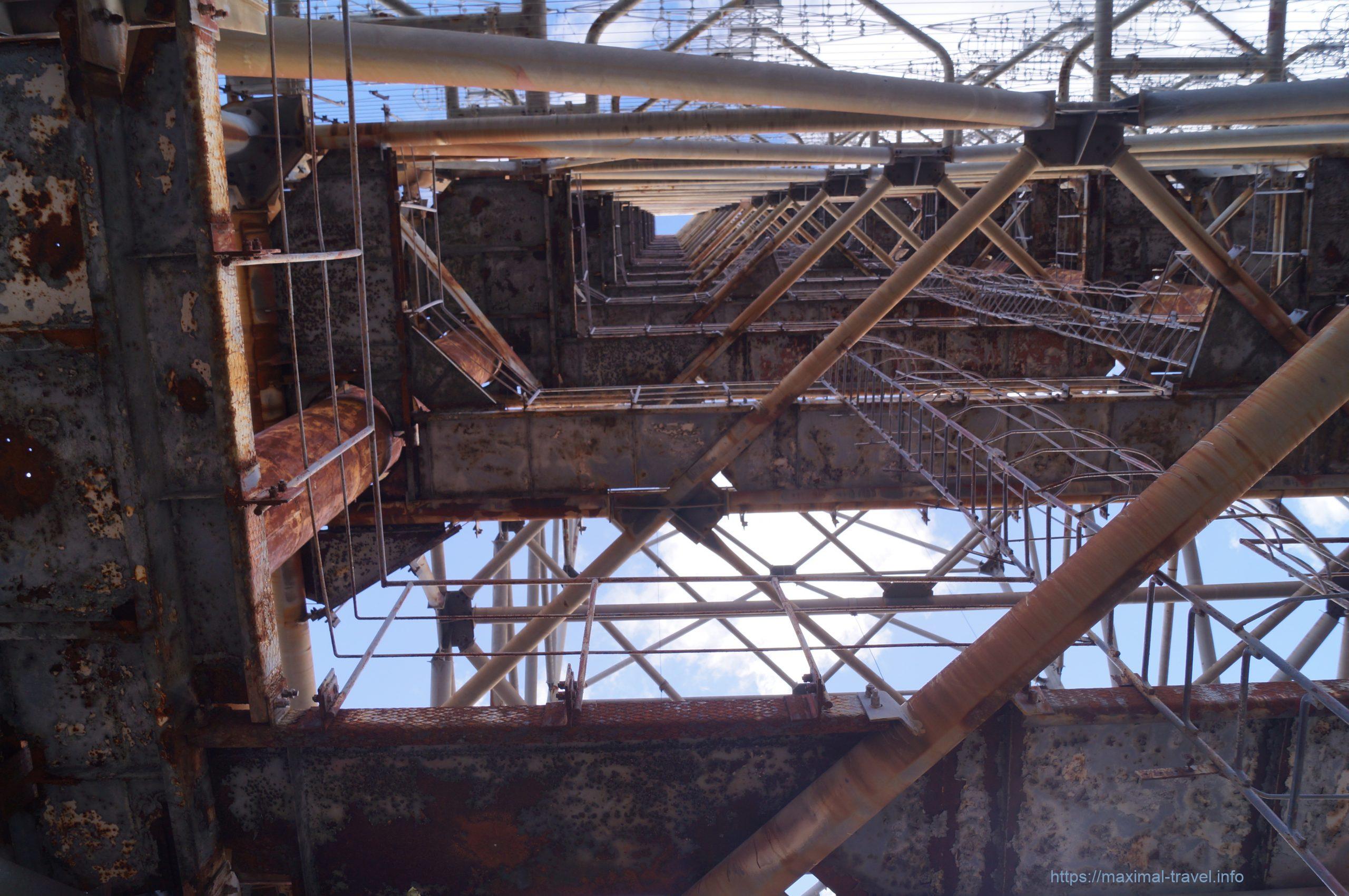
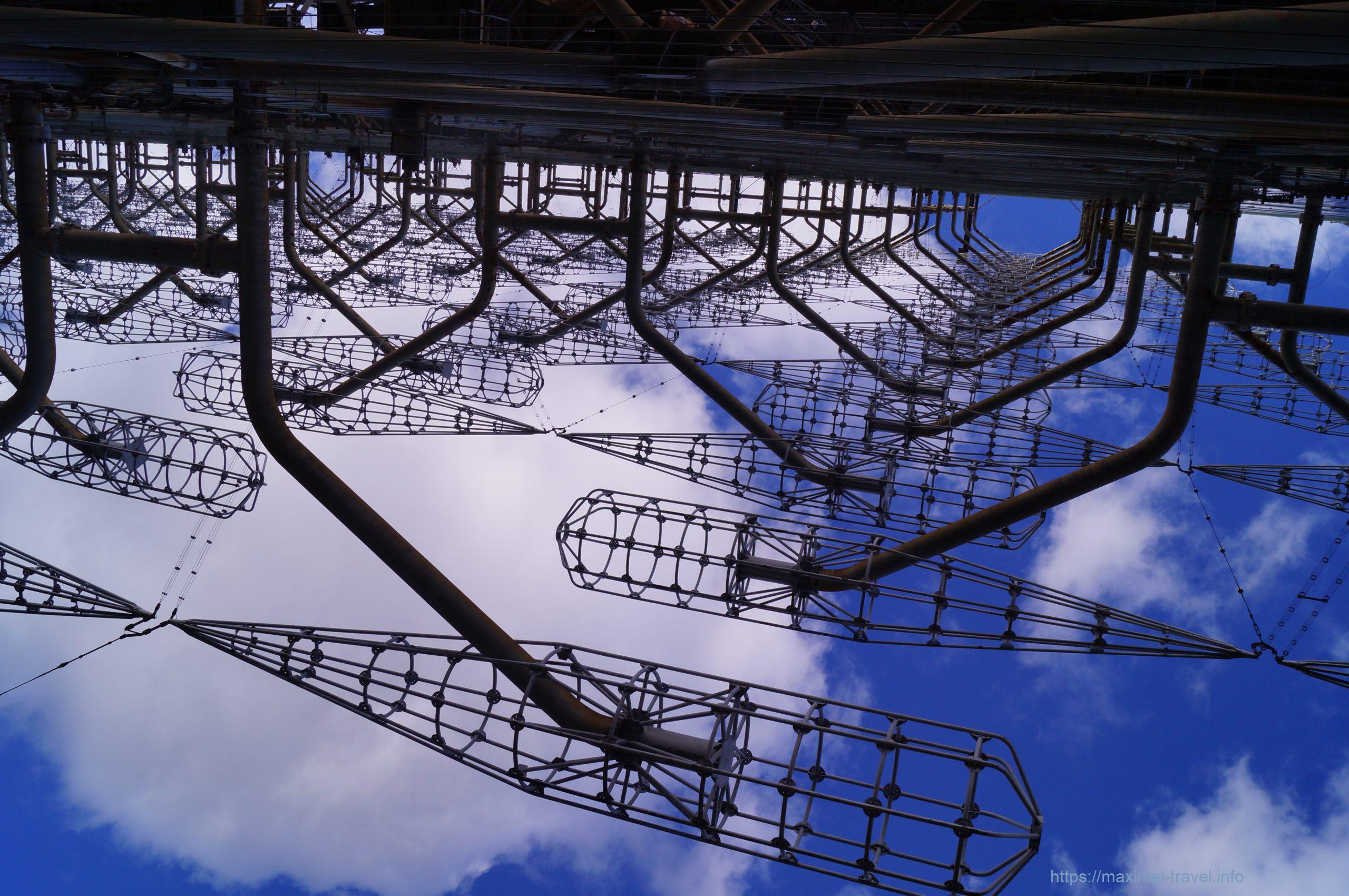
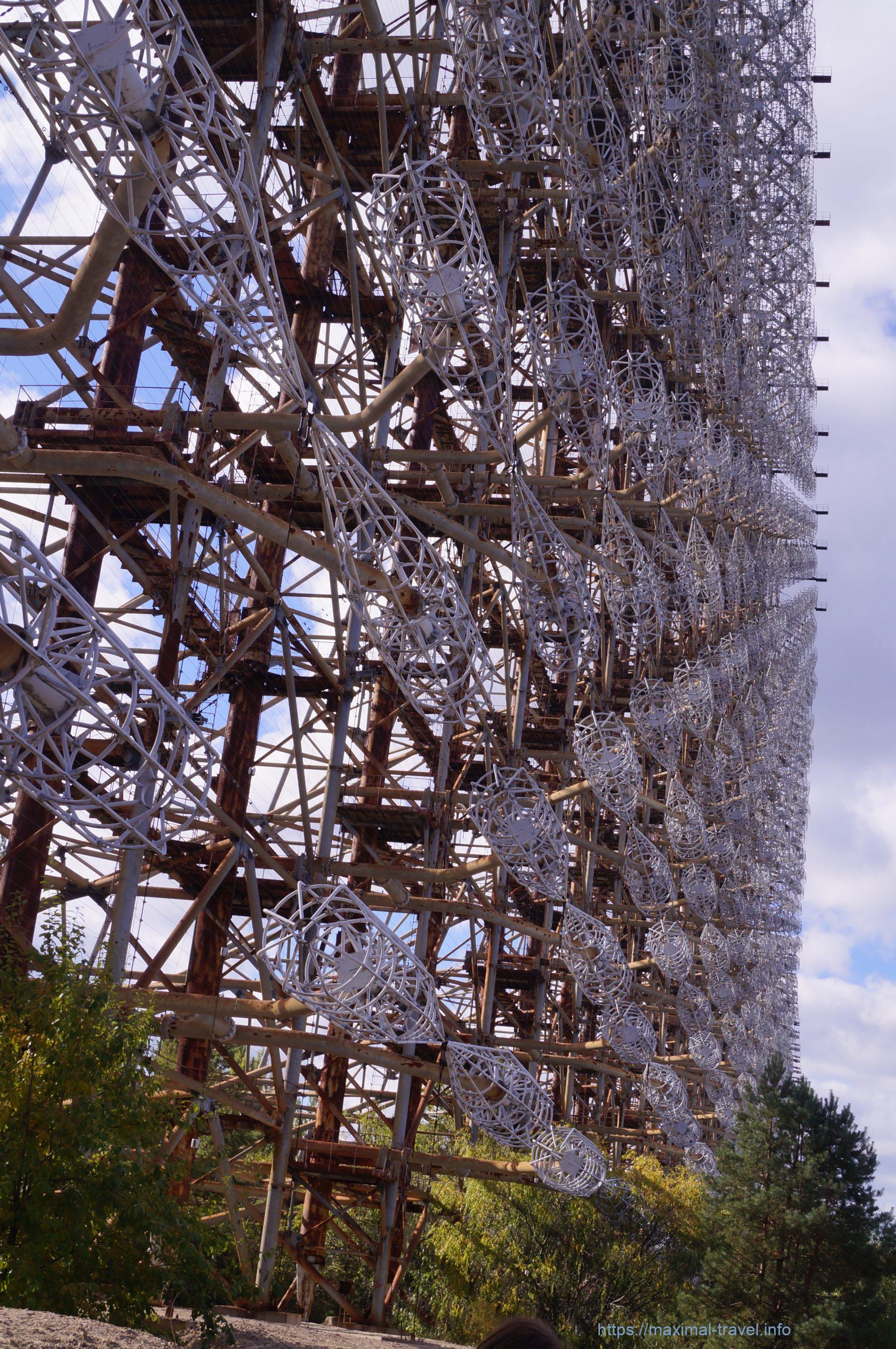
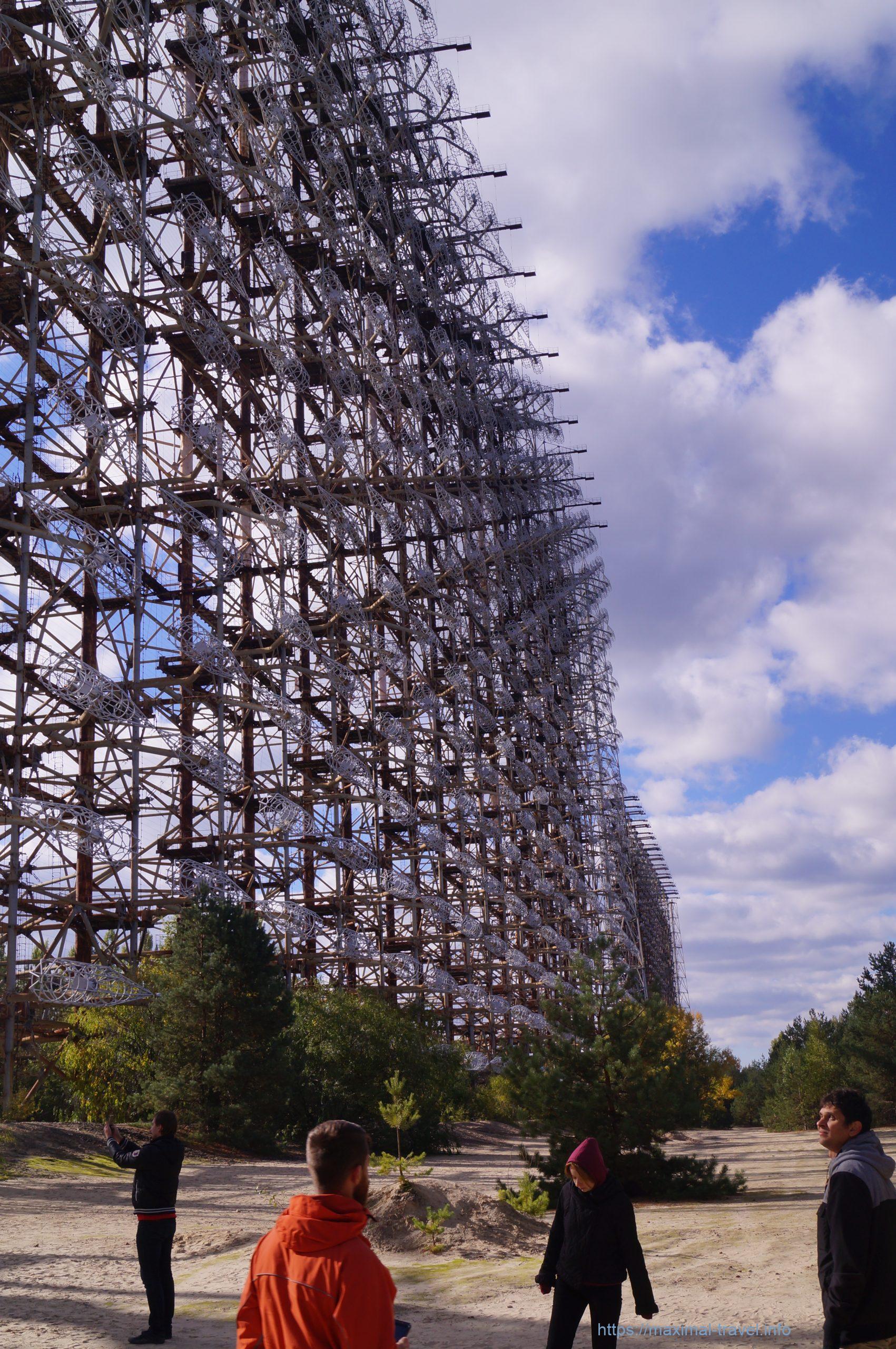
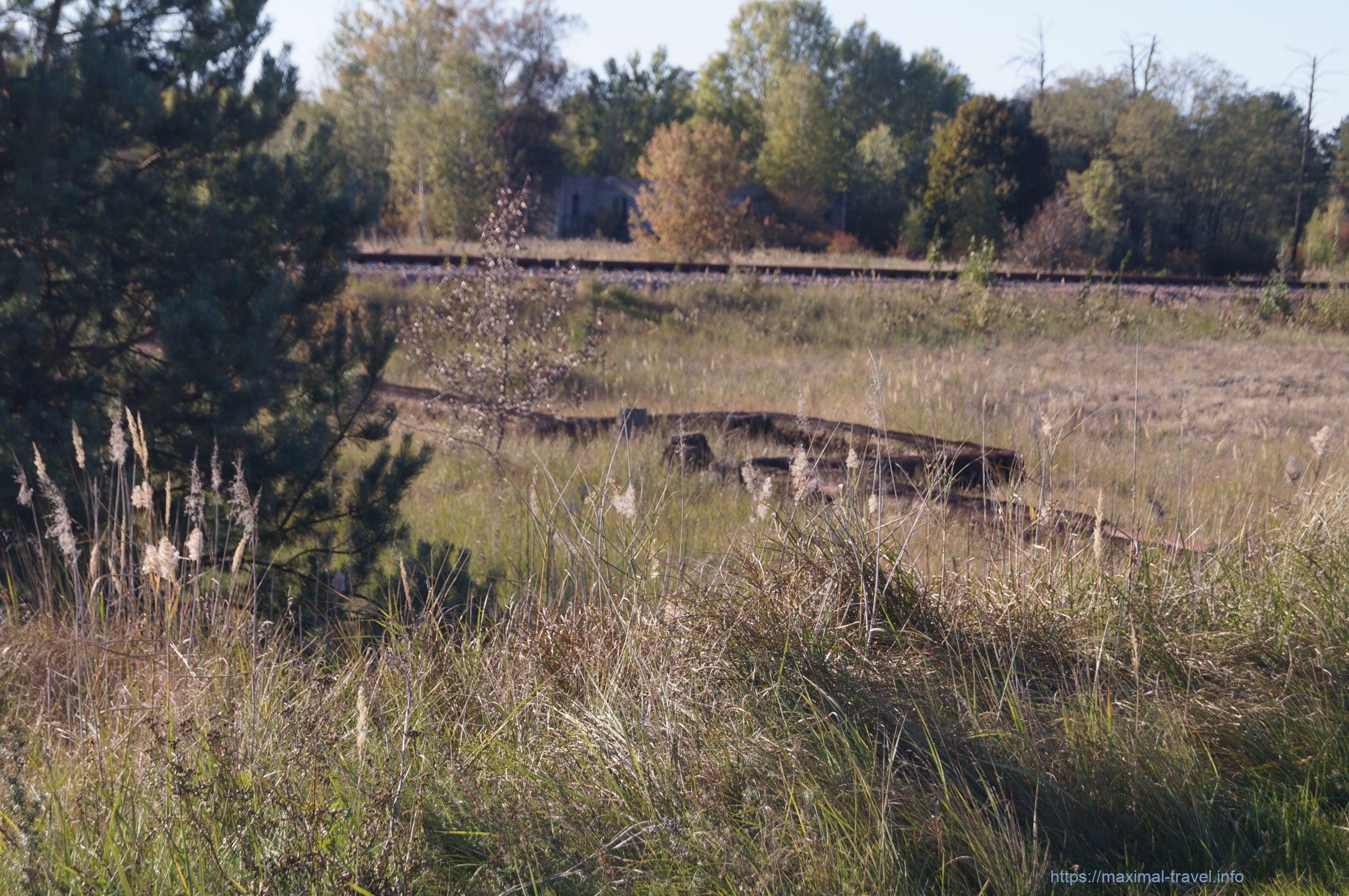
On arriving in Chornobyl, we passed the Dytiatky checkpoint and drove to our first stops. One of the first turned out to be a visit to the site of the Duga over-the-horizon radar (Chornobyl-2). It’s a 150-metre over-the-horizon surveillance antenna and a military base town. Until the mid-1980s it was a top-secret facility that could track high-flying targets at distances of 900 to 3,000 kilometres in the circumpolar zone. With the most powerful and ultra-modern radars of the time, the military could literally look beyond the horizon. Thanks to these capabilities, the complex was named “Duga-1” (“Arc-1”). The infrastructure of the town of Chornobyl-2 was not shut down immediately: until 1987 it was mothballed. But over time it became clear that it could not be operated within the Exclusion Zone. The main components of the radar system were dismantled and taken to Komsomolsk-on-Amur. The antenna is truly enormous, and standing next to it looking up is divine. Then we walked around the military town, looked at the buildings and abandoned military vehicles, got back on the bus and drove on.
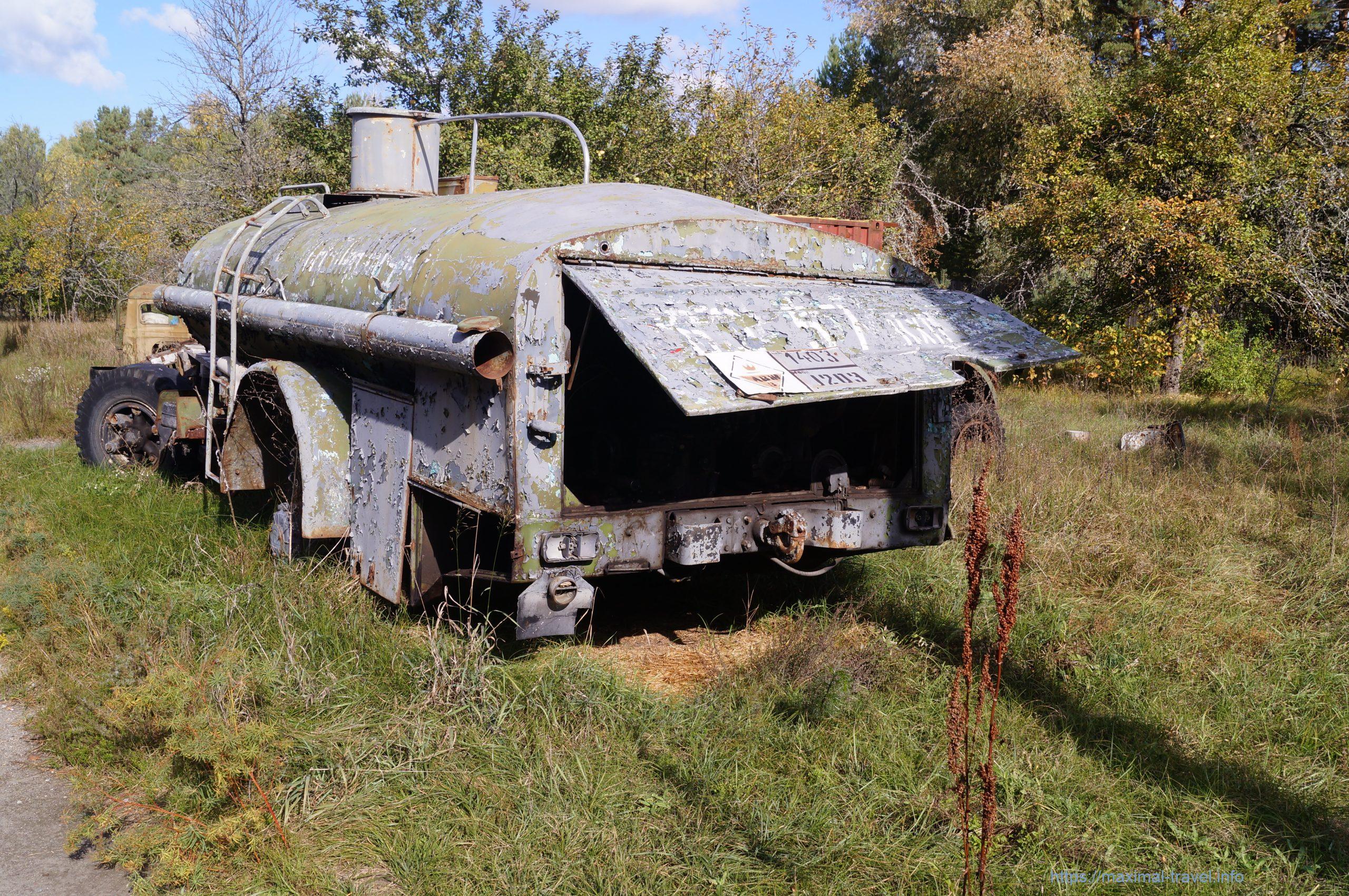
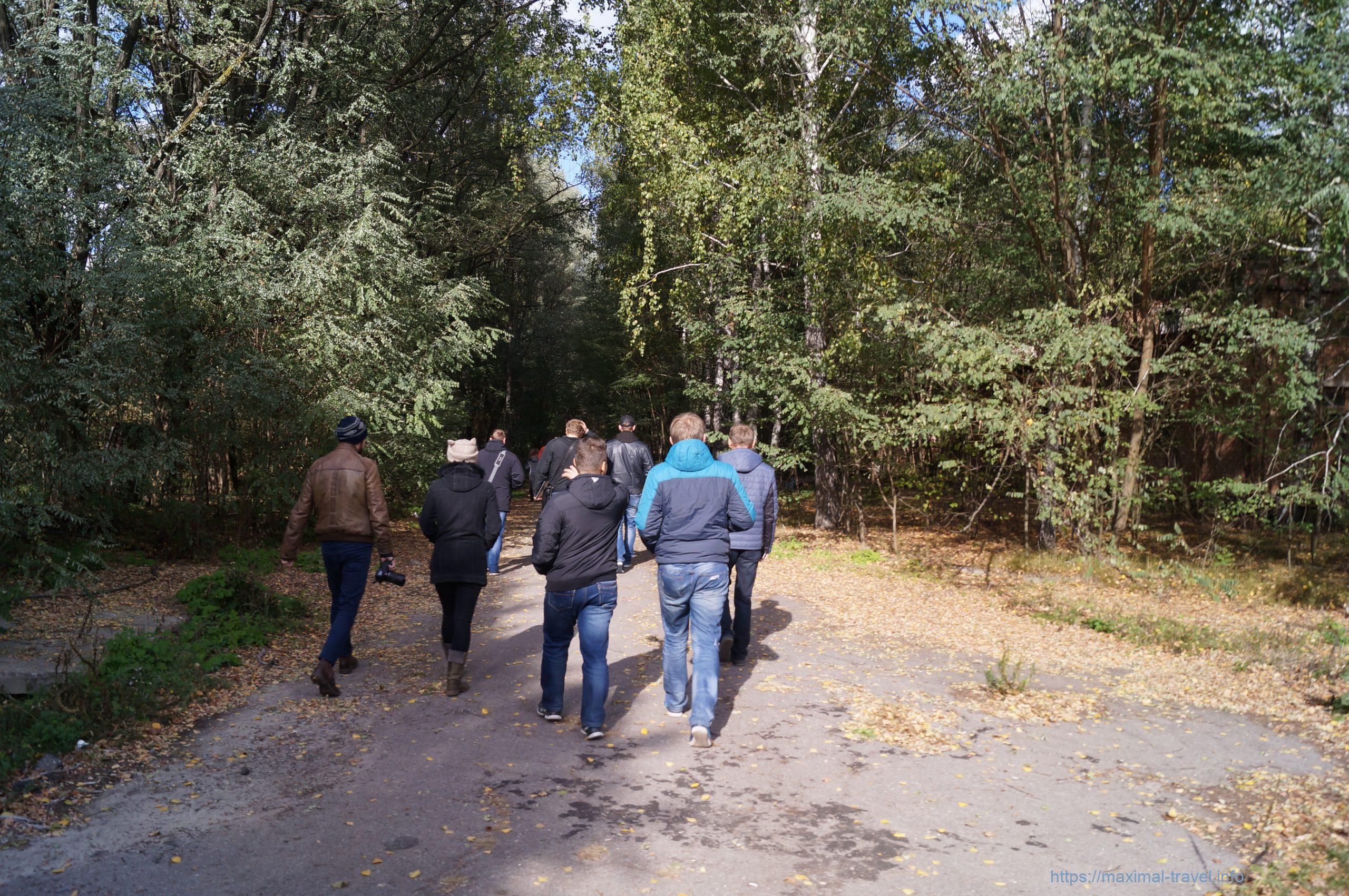
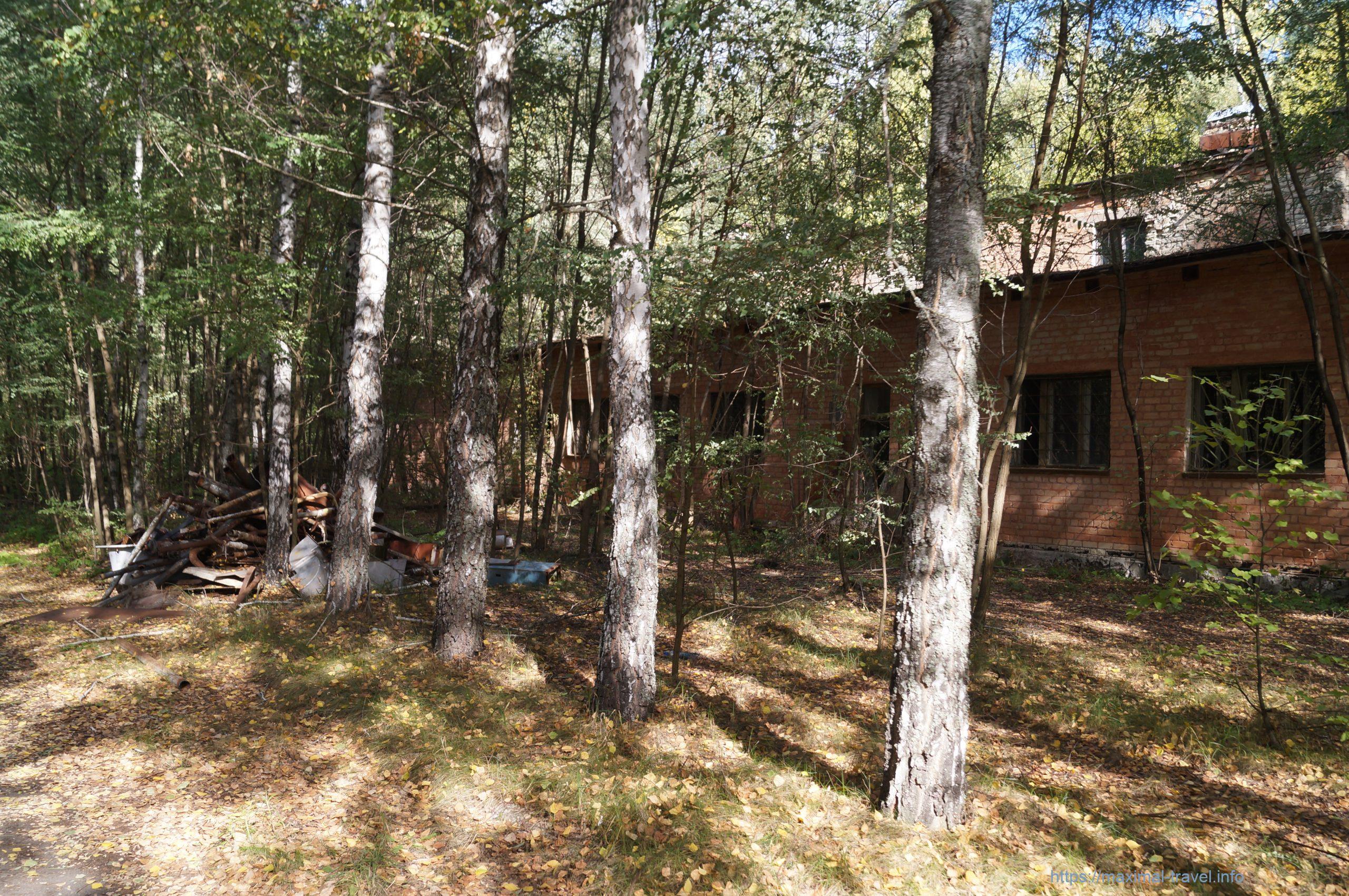
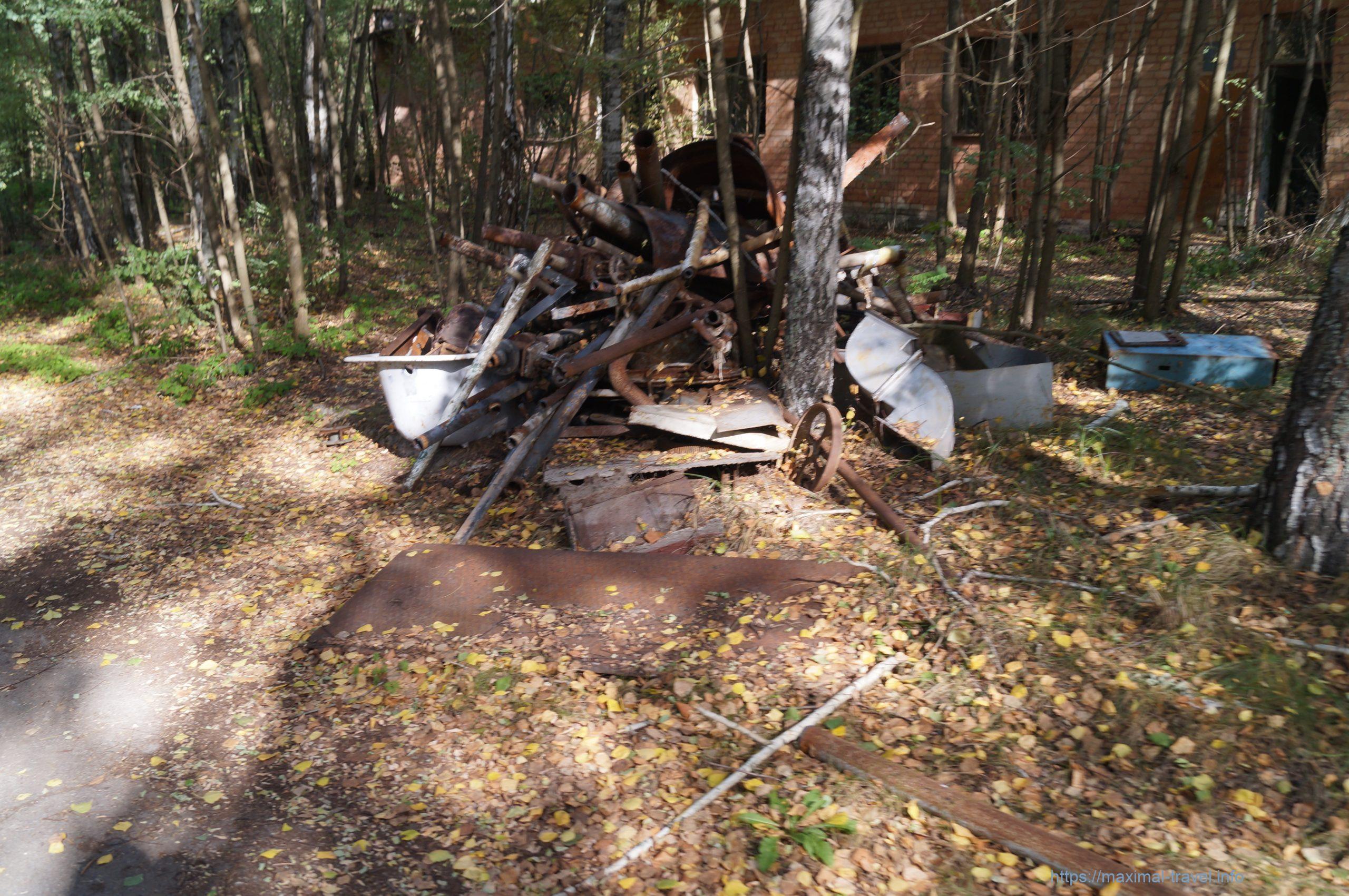
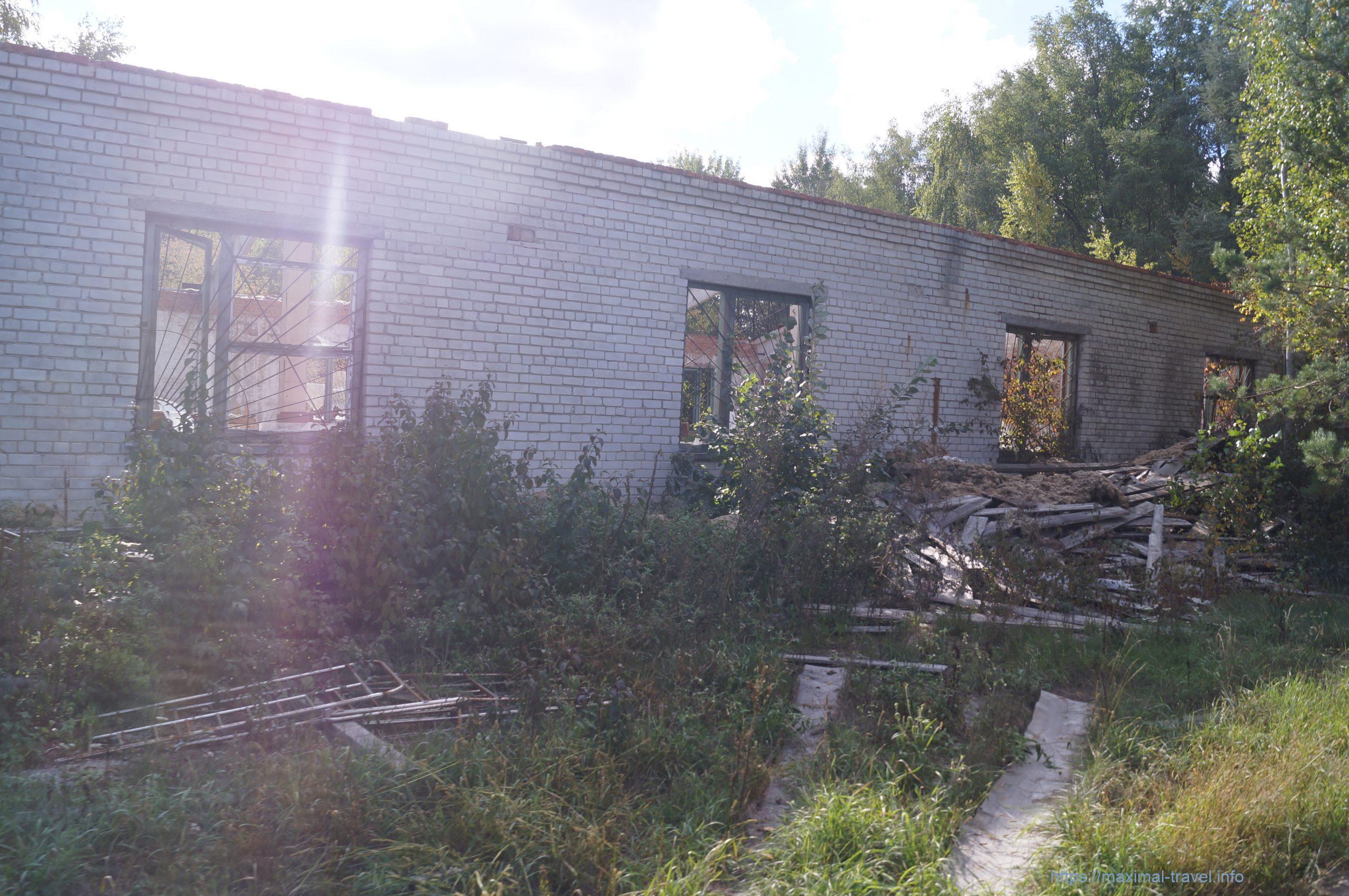
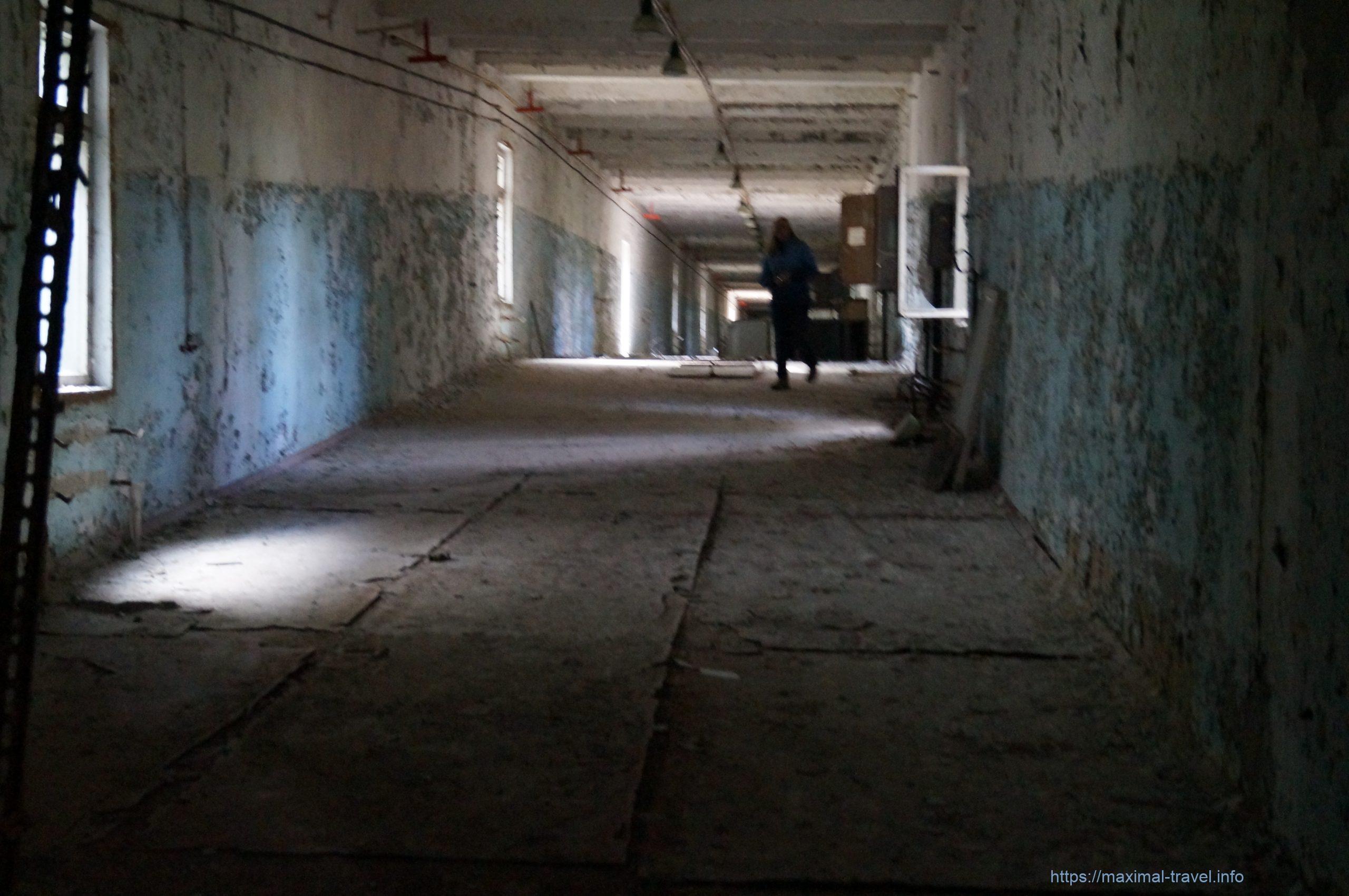
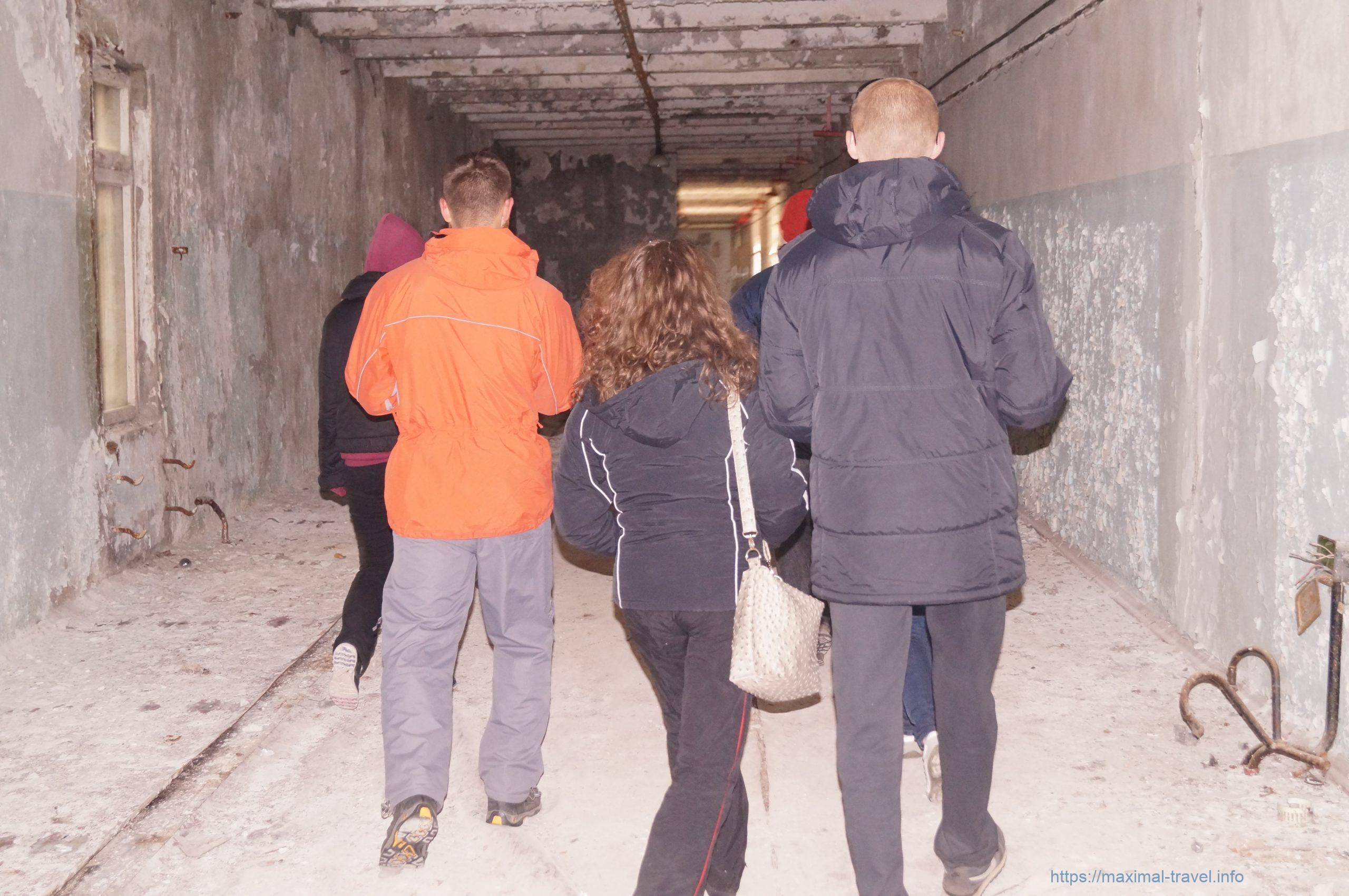
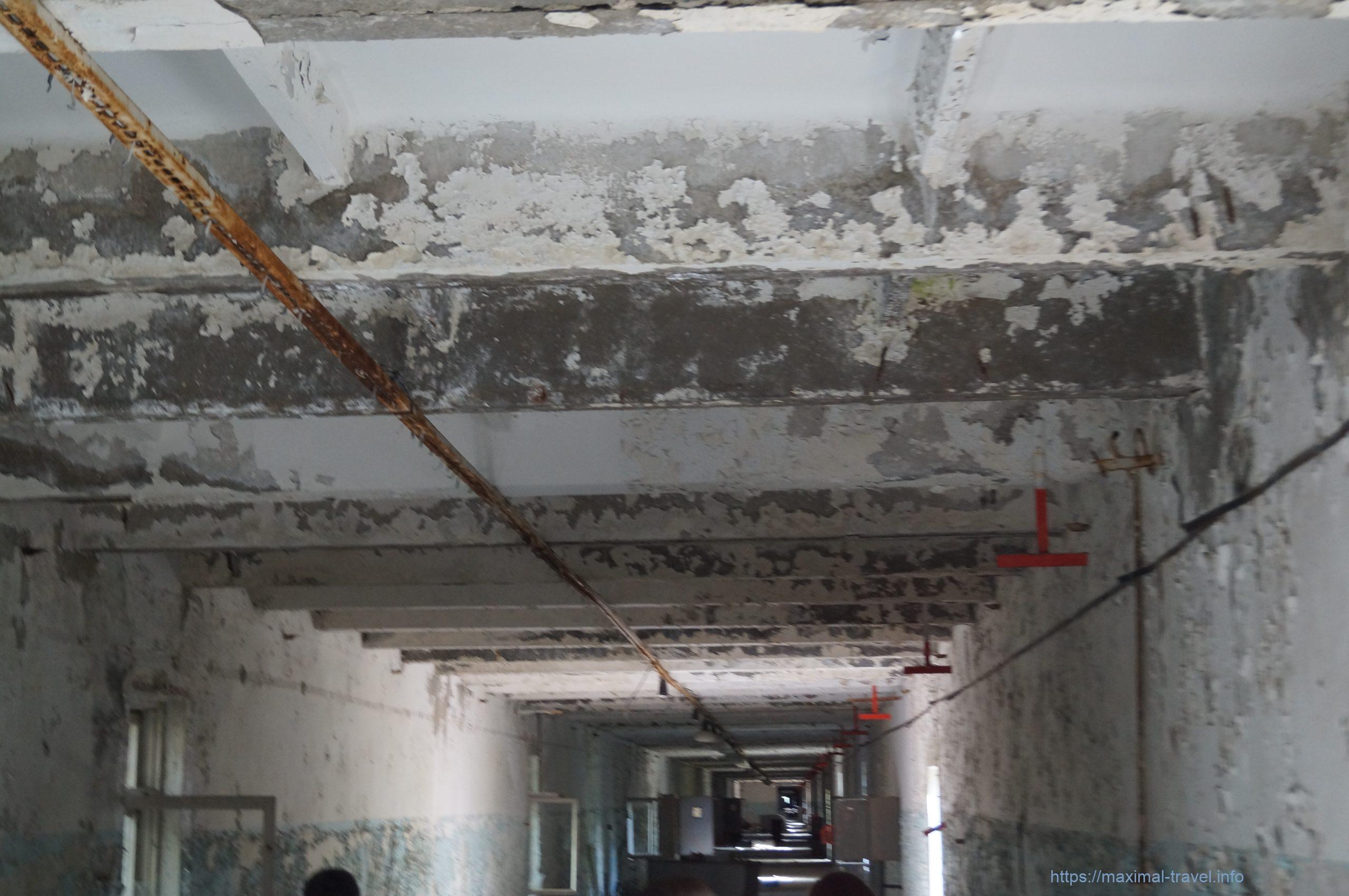
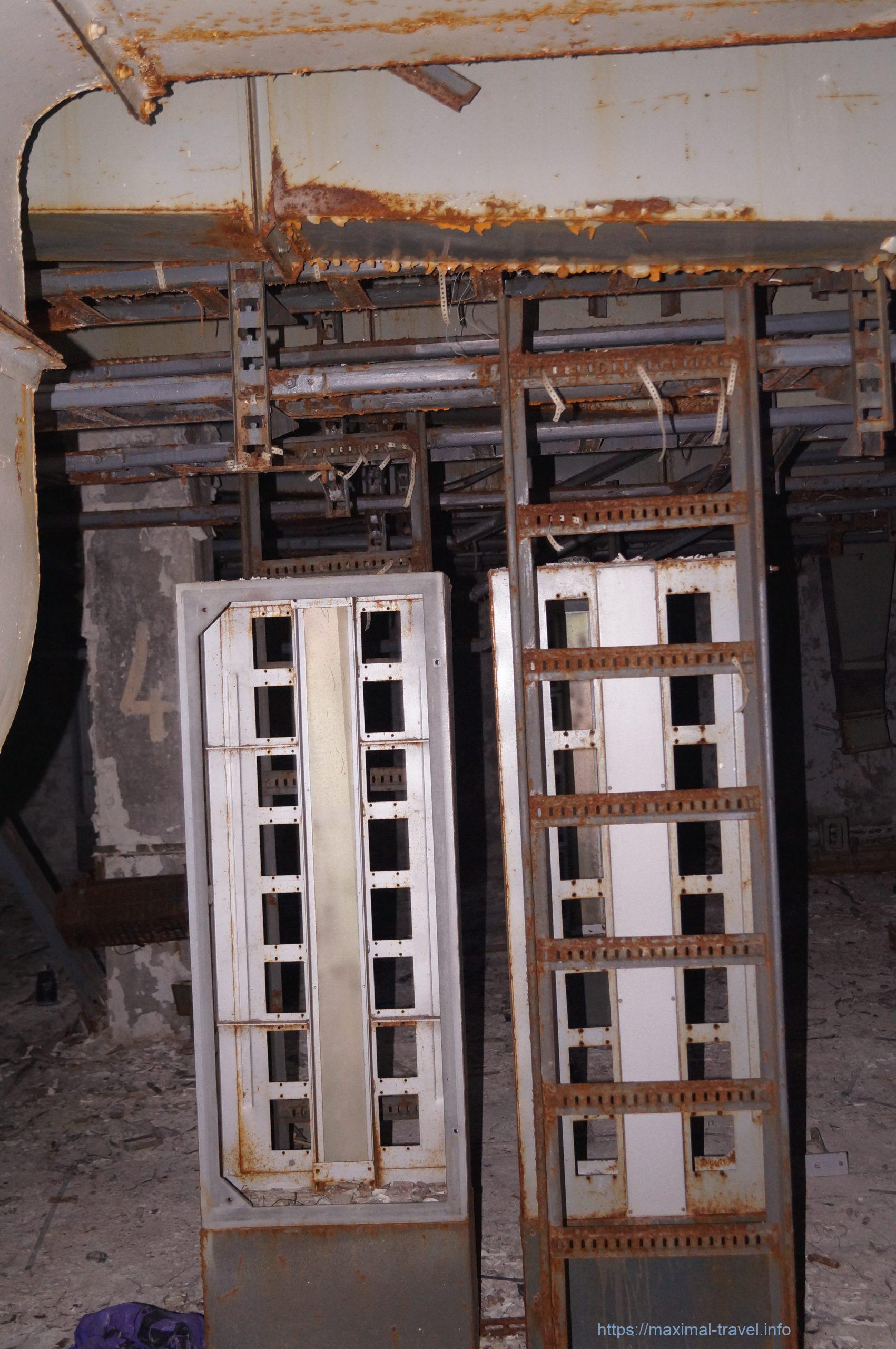
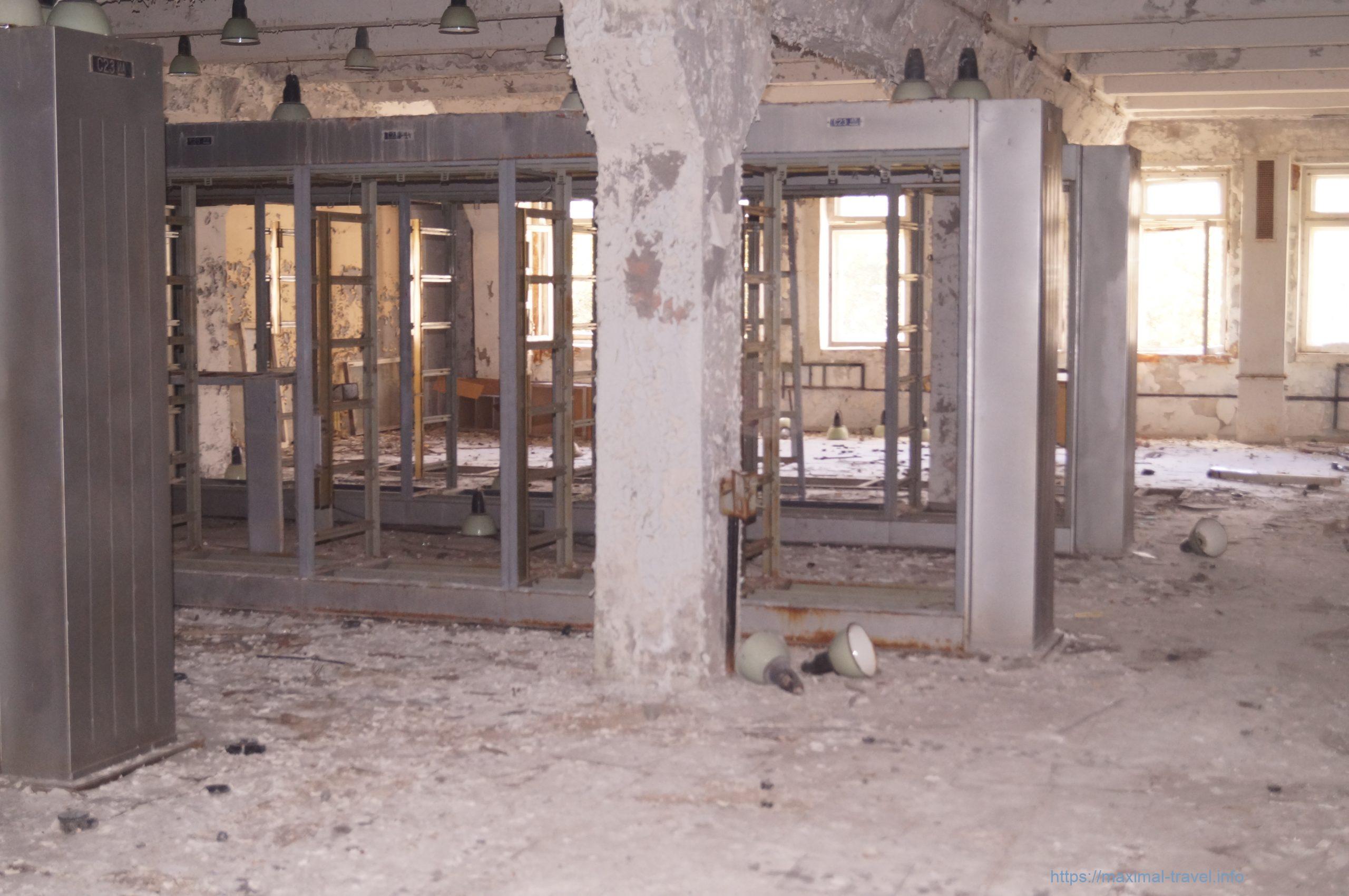
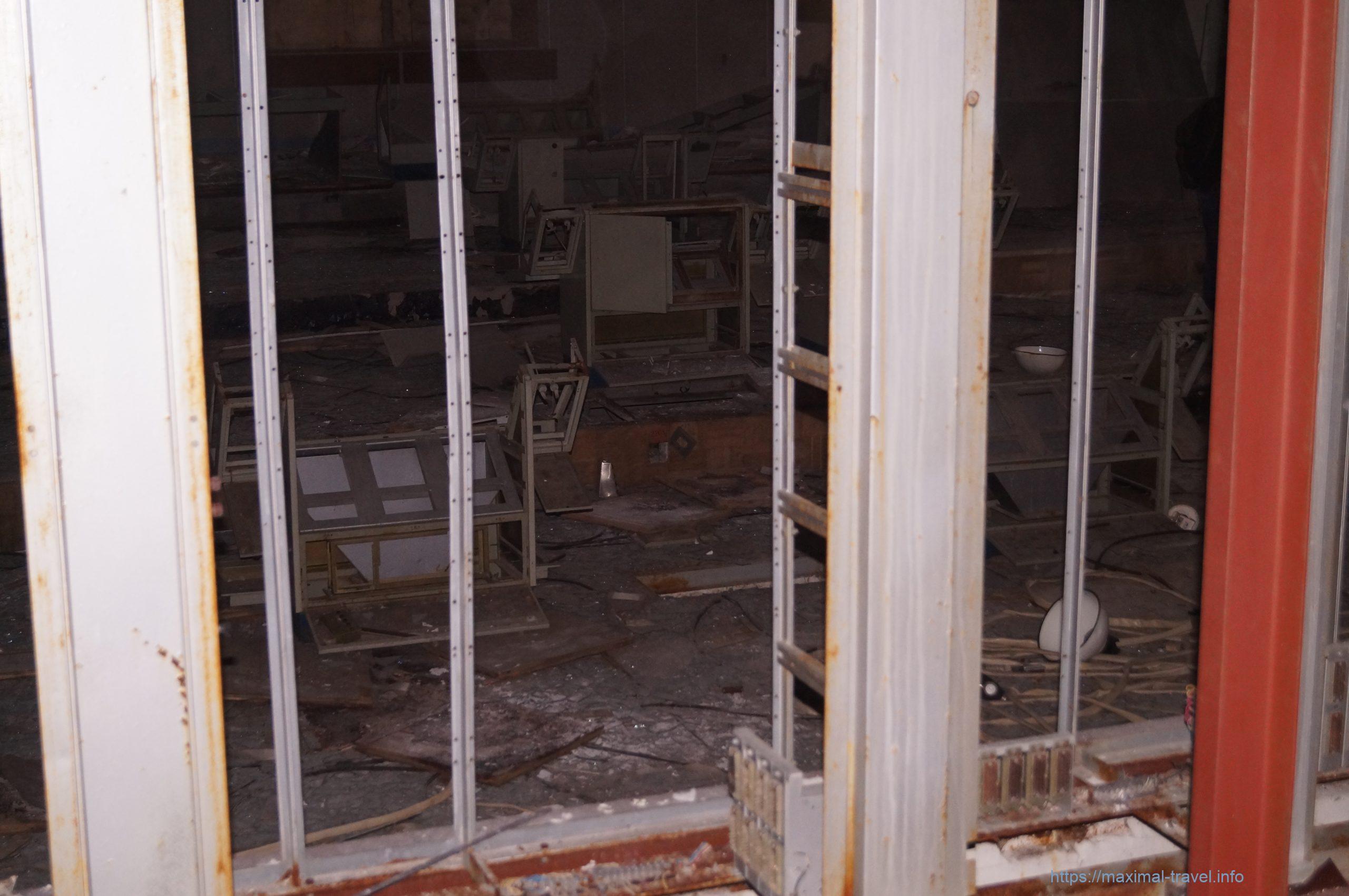
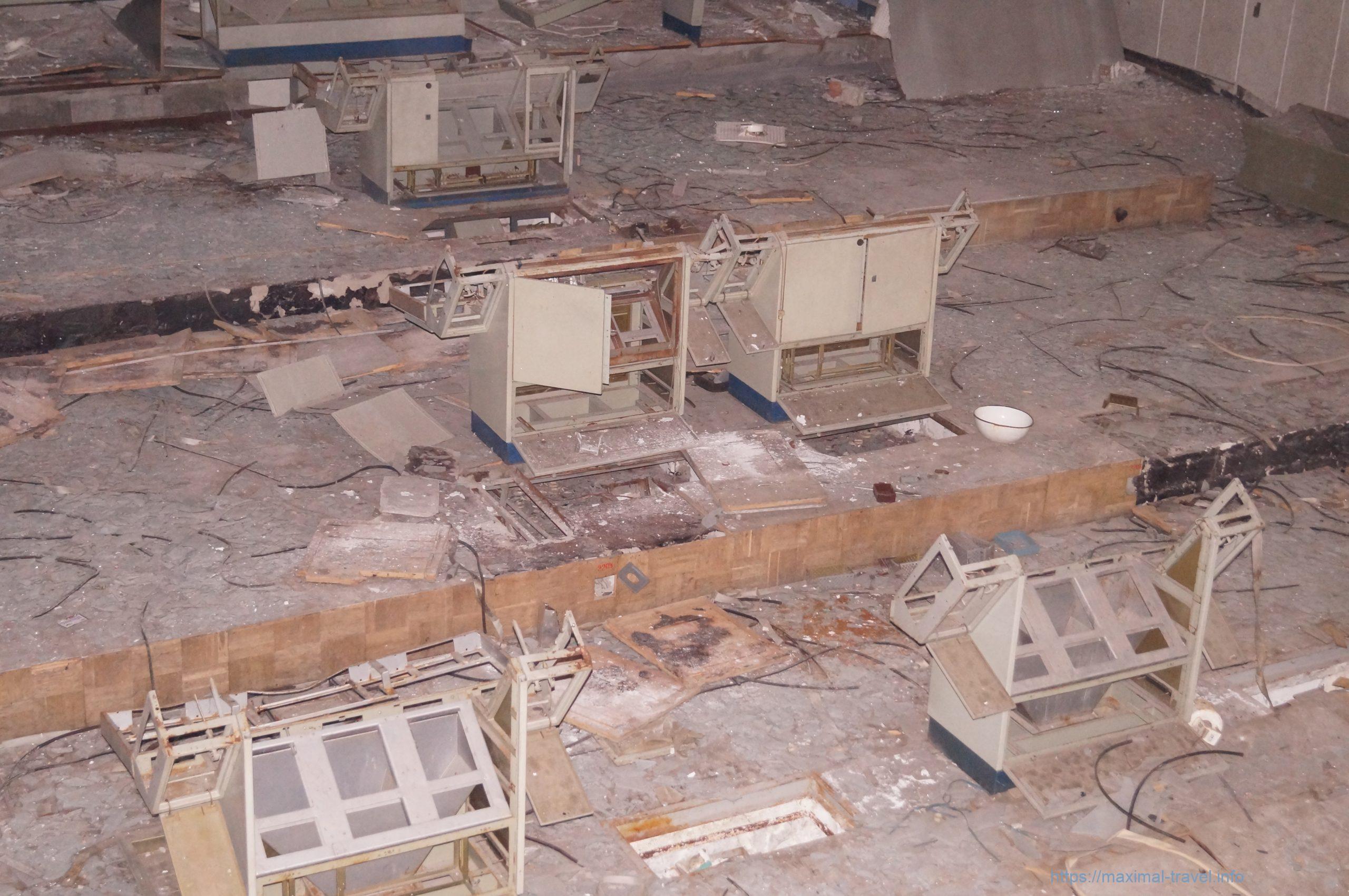
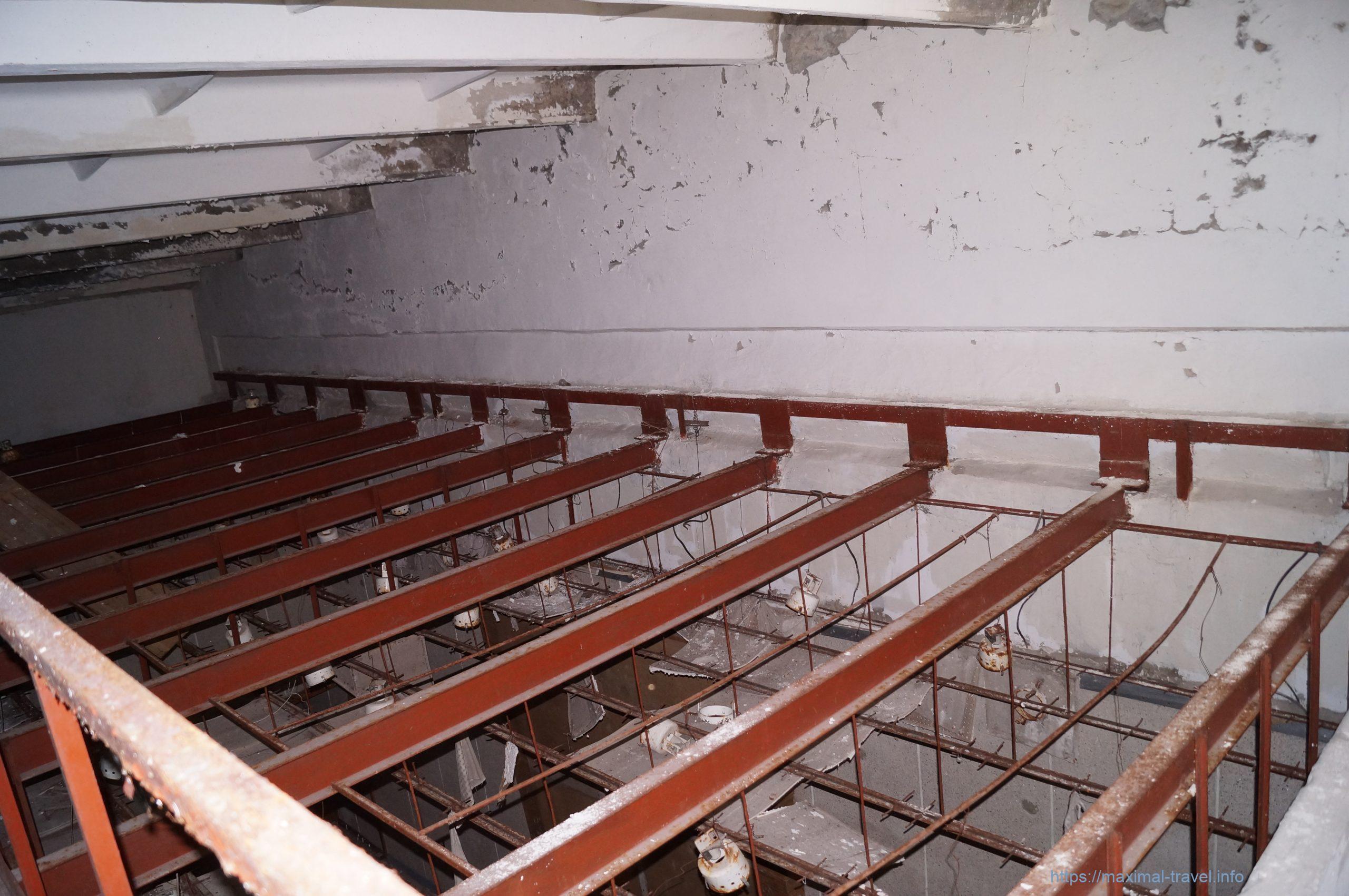
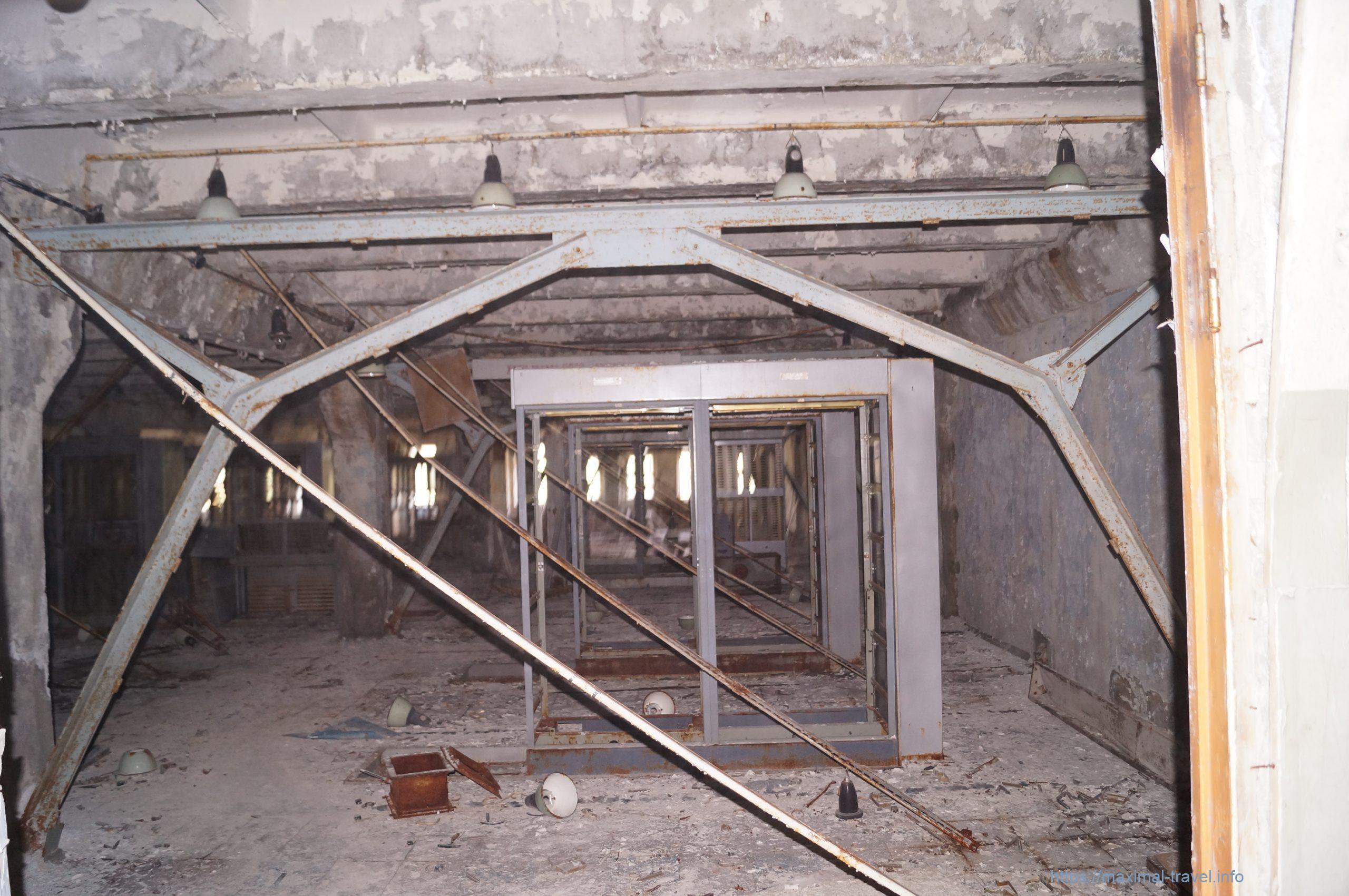
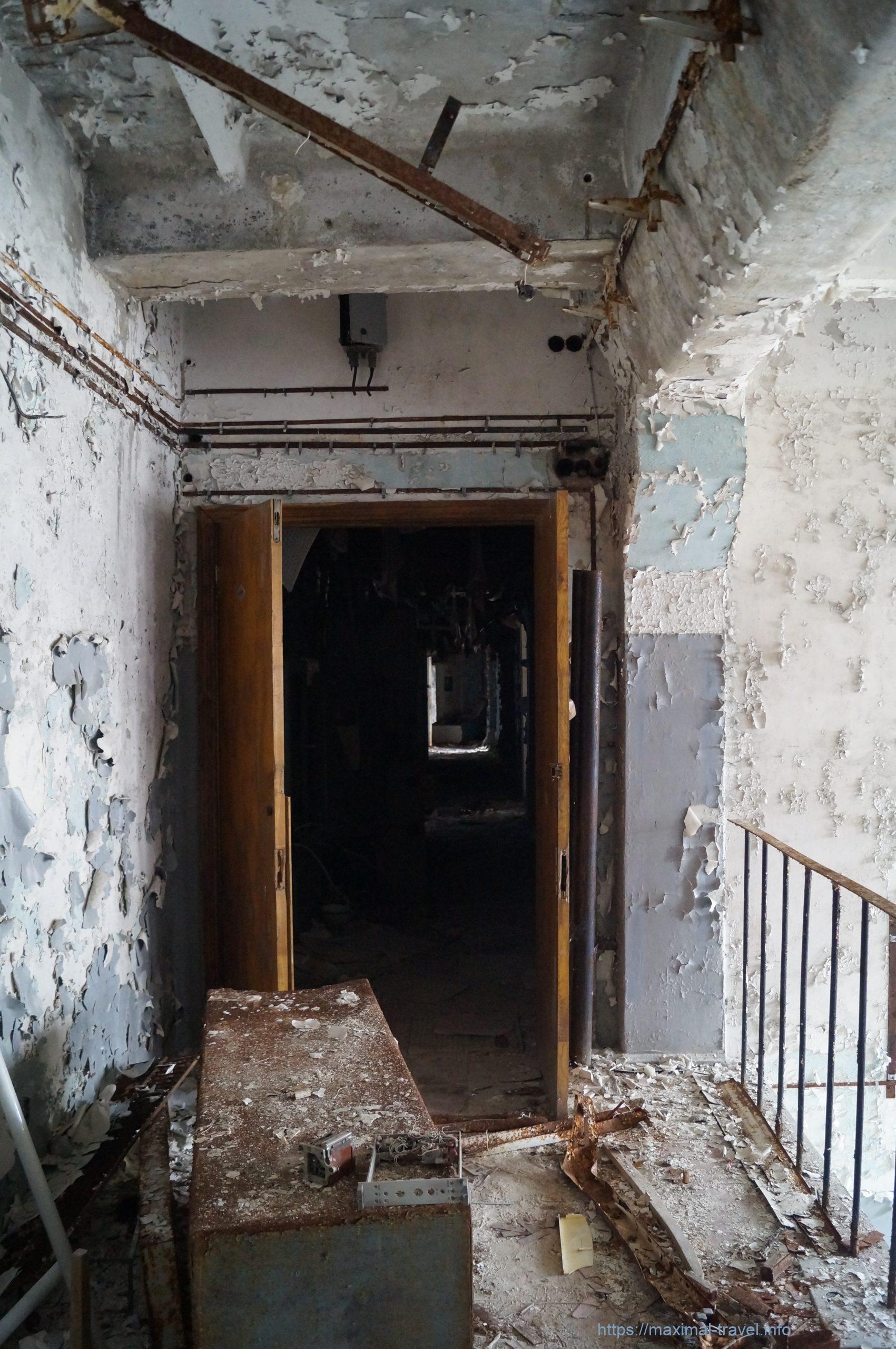
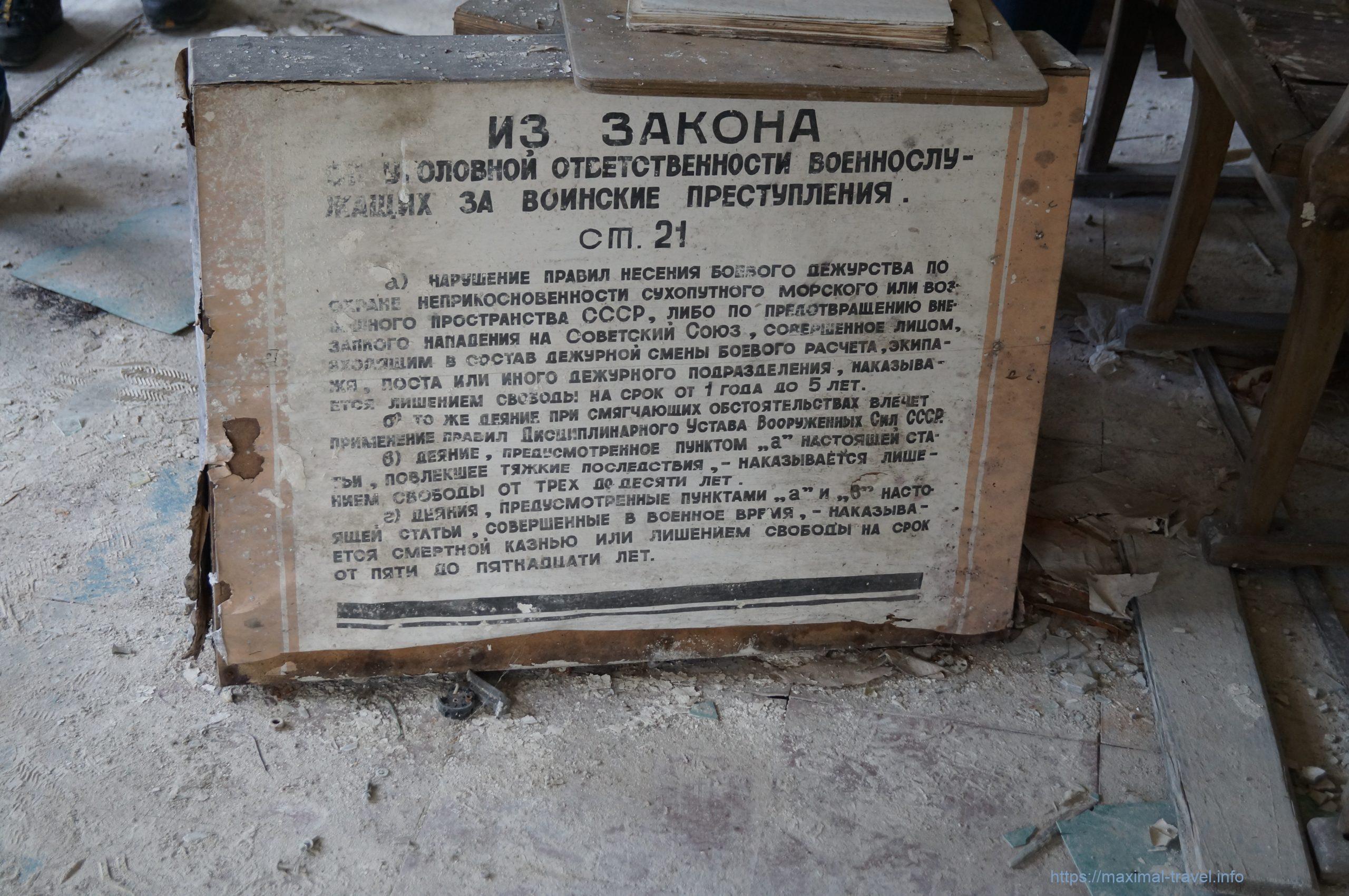
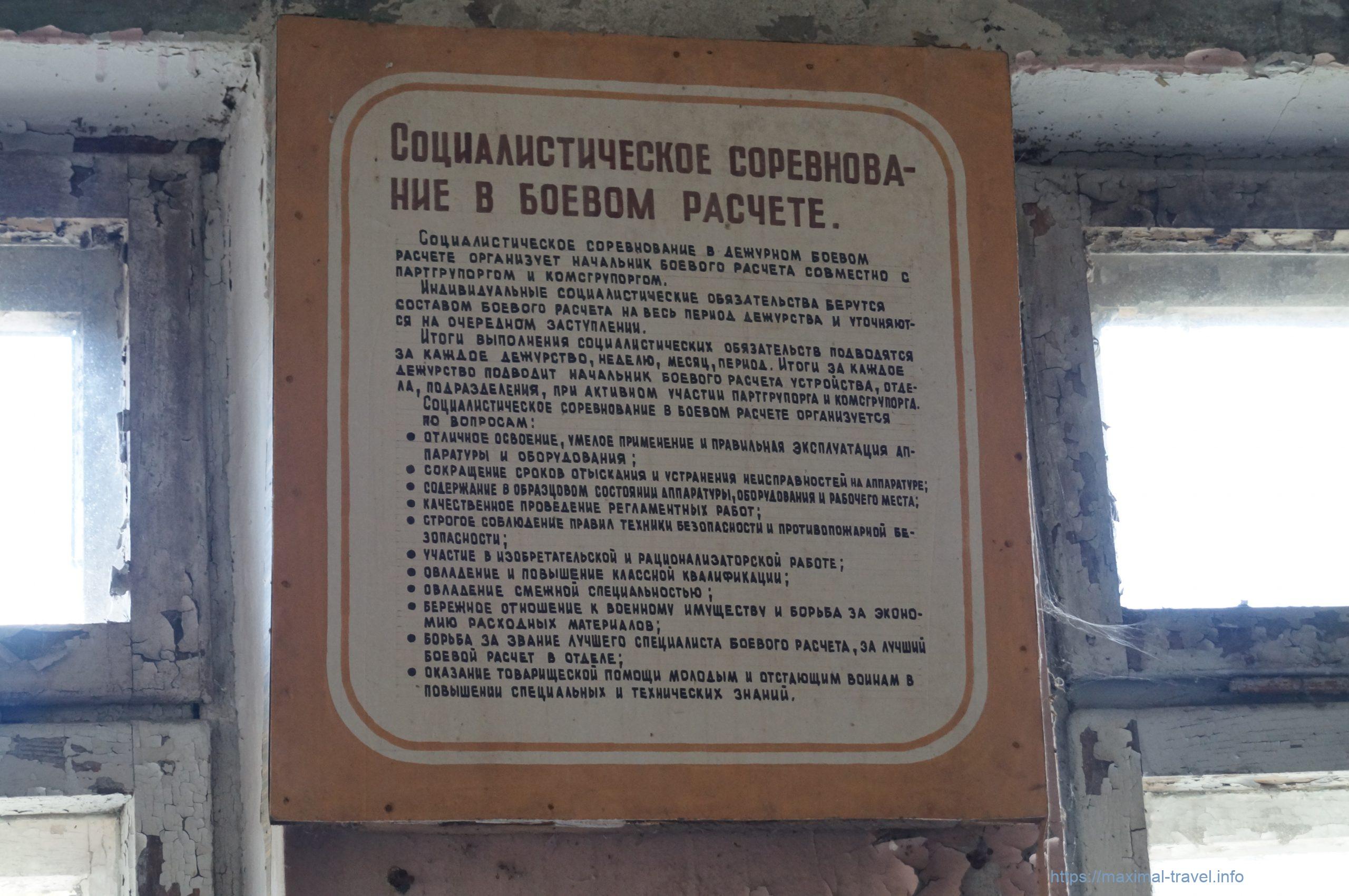
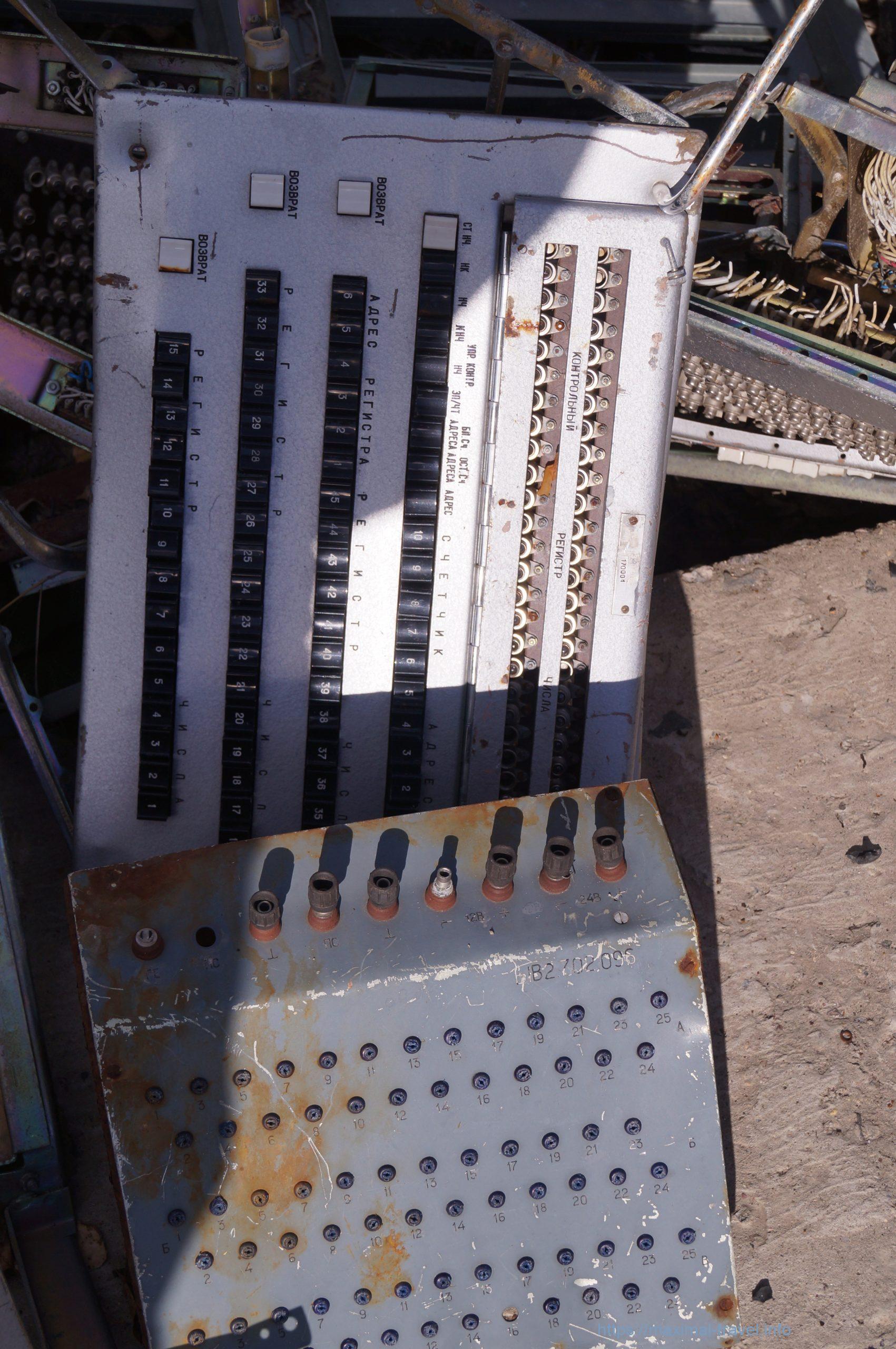
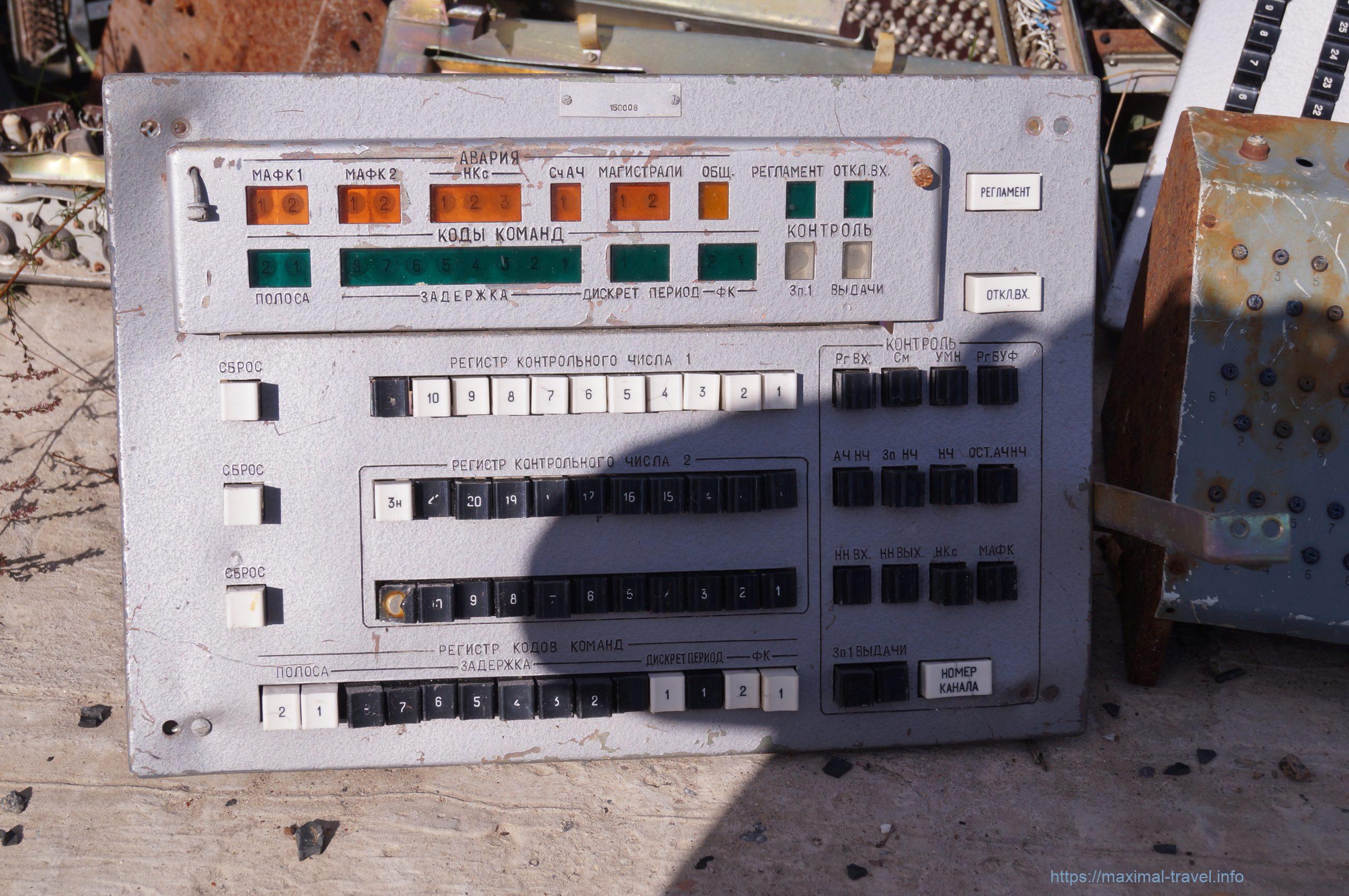
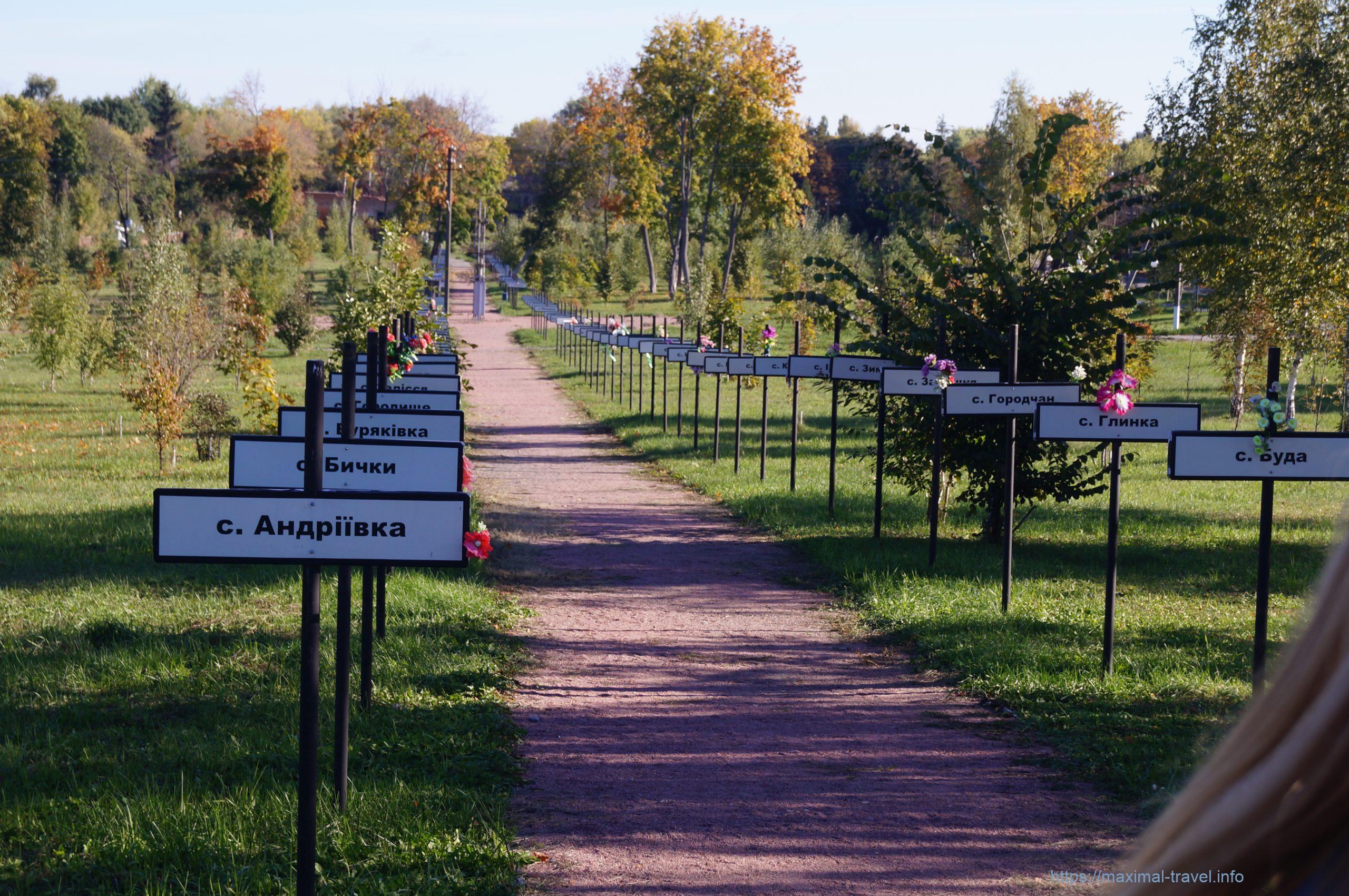
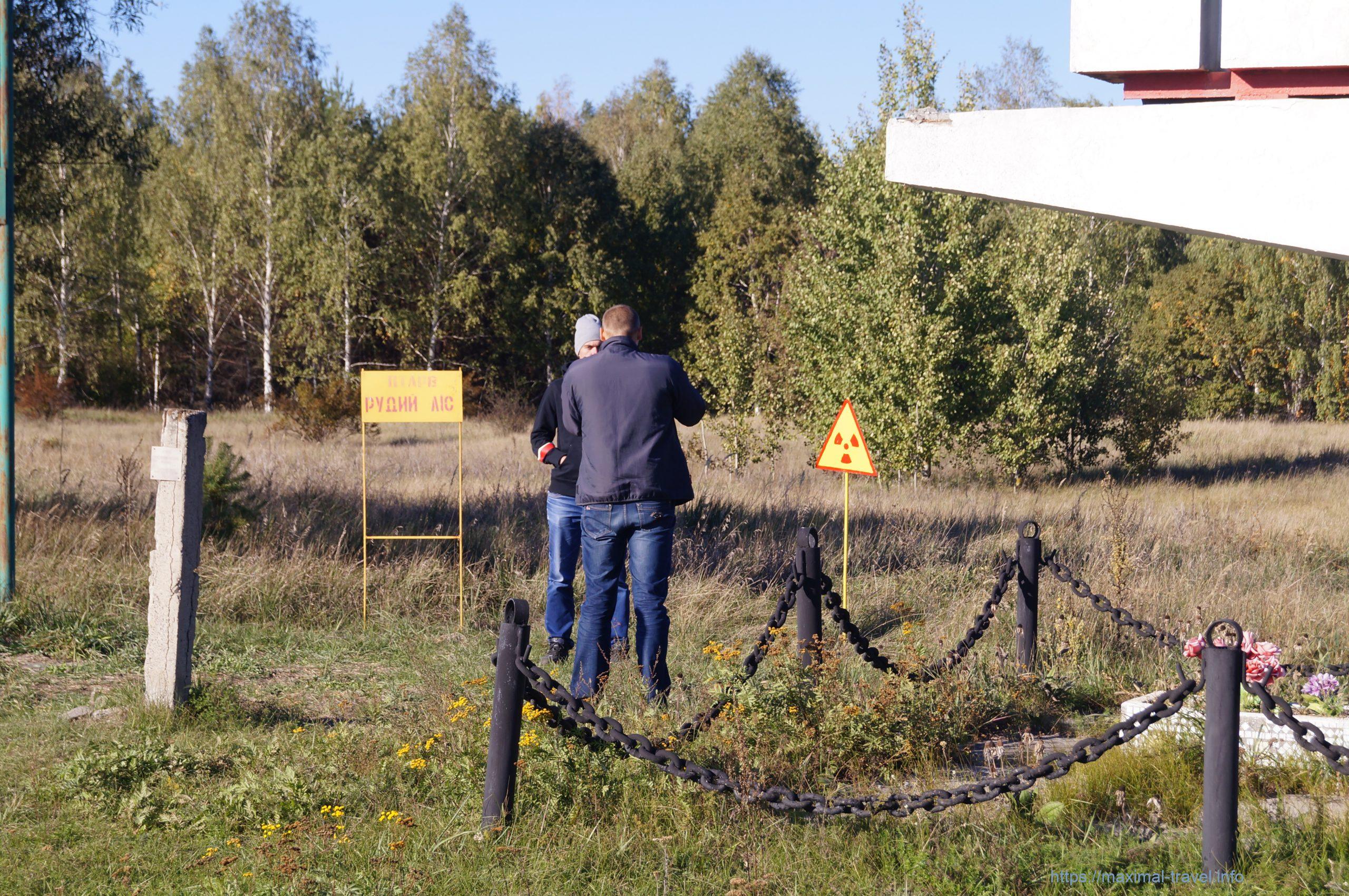
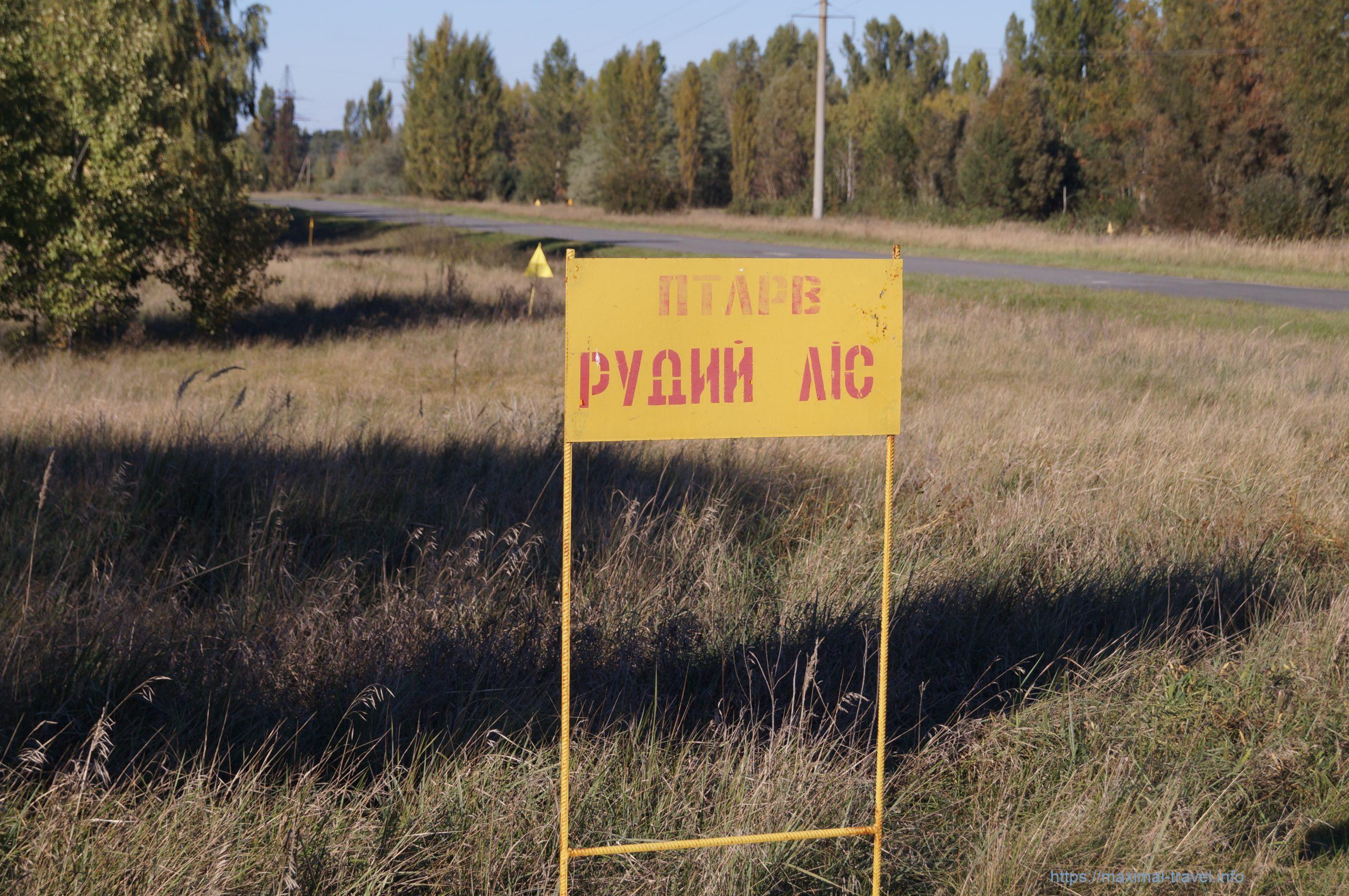
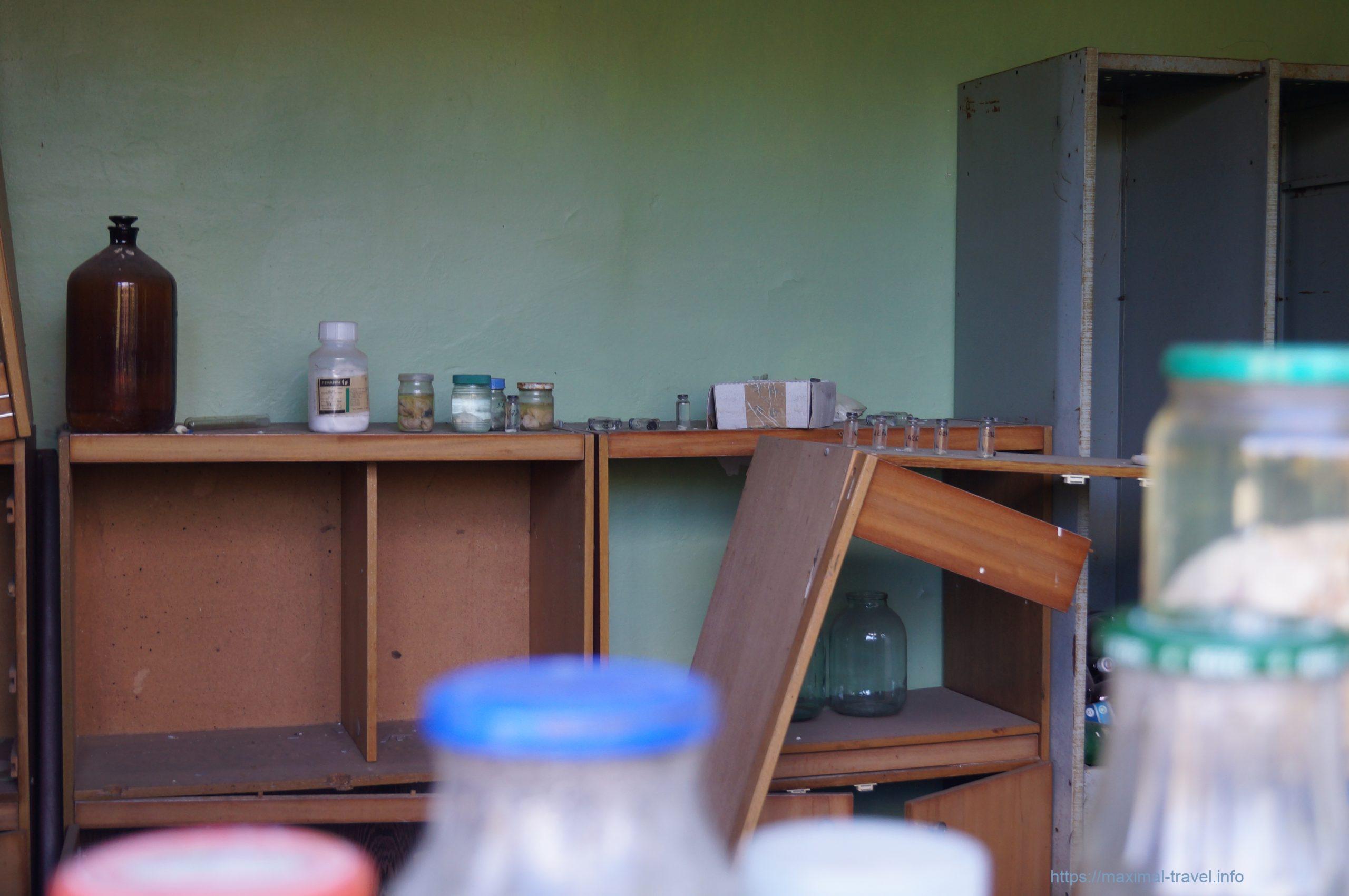
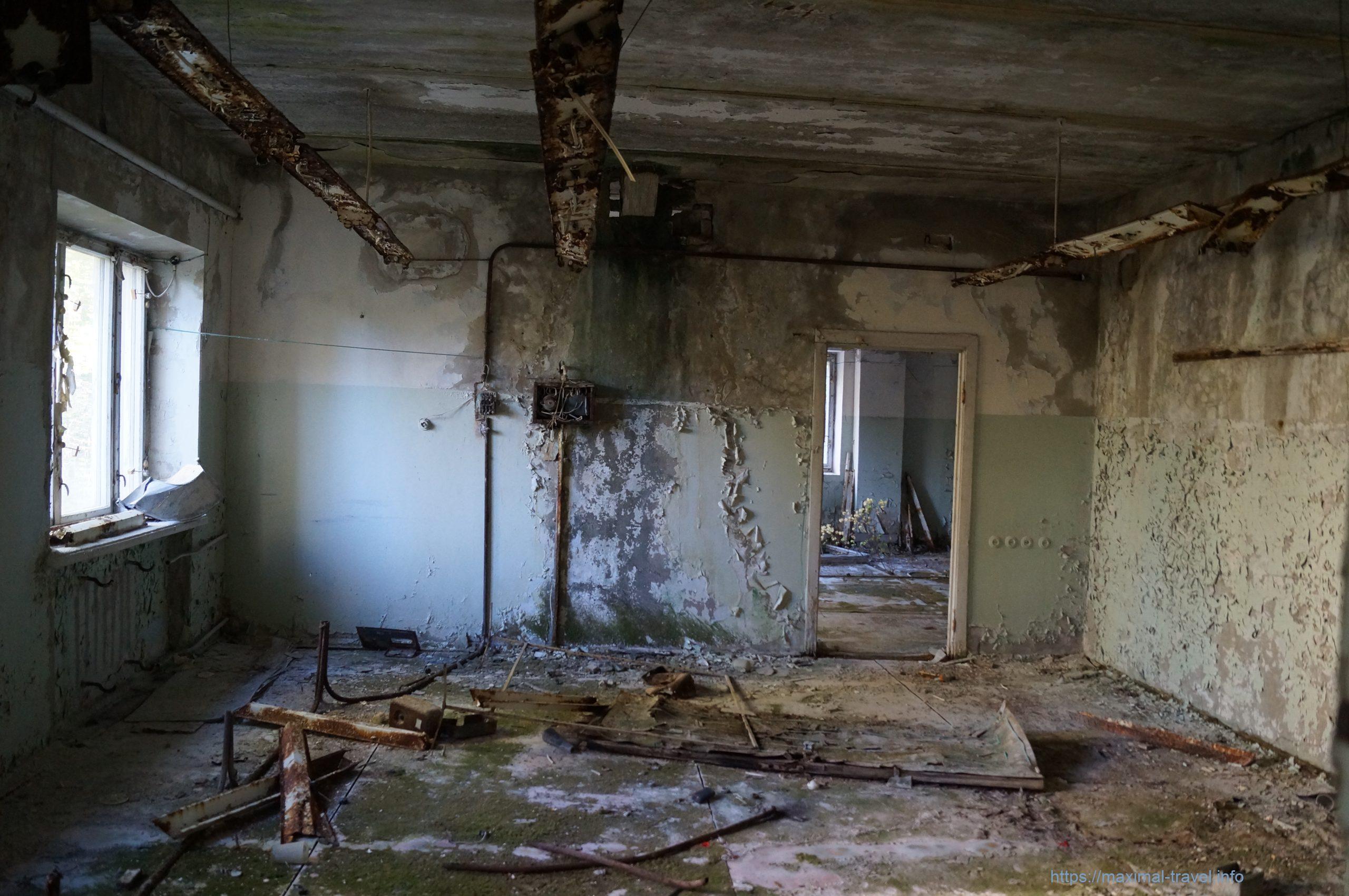
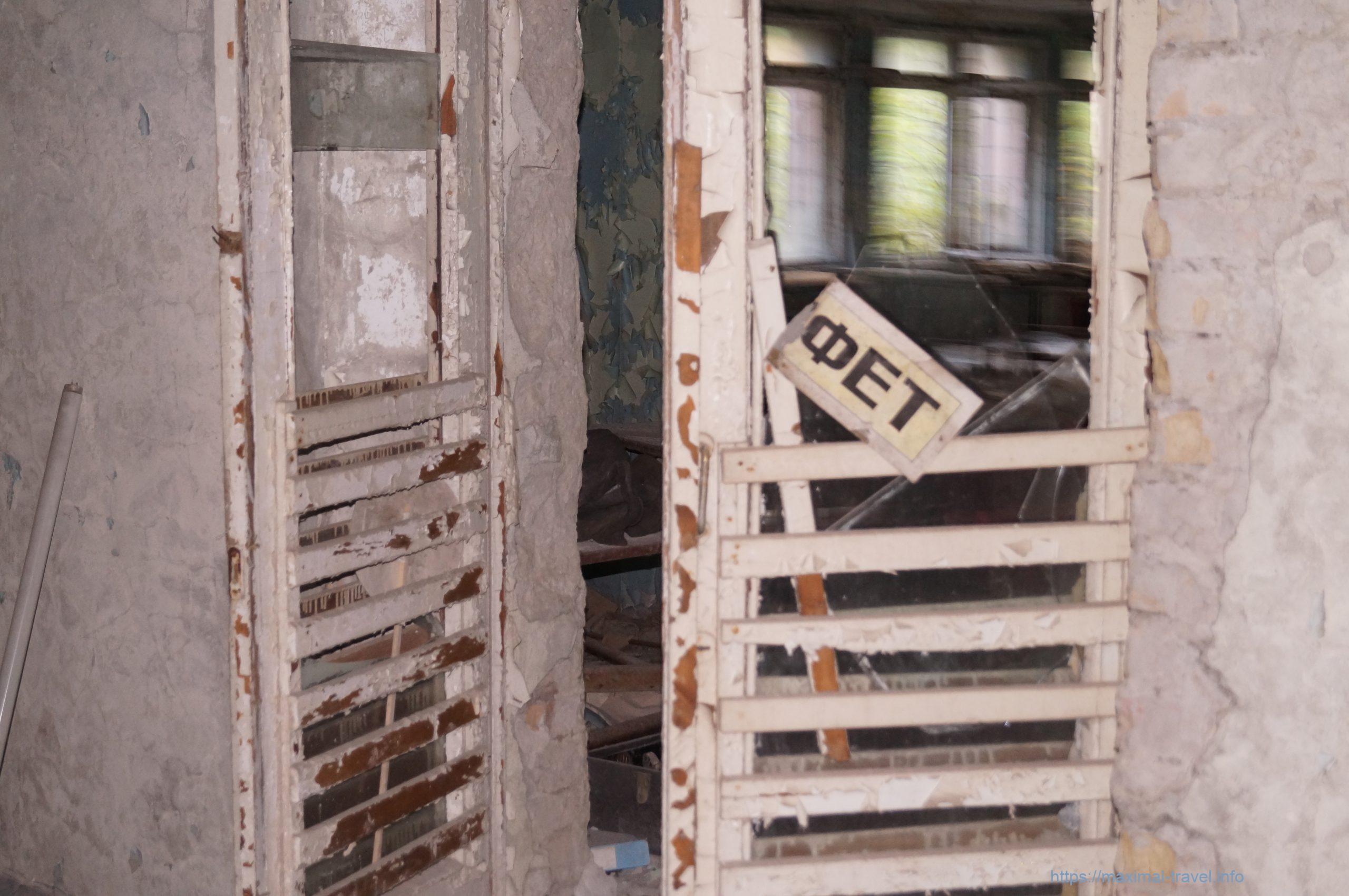
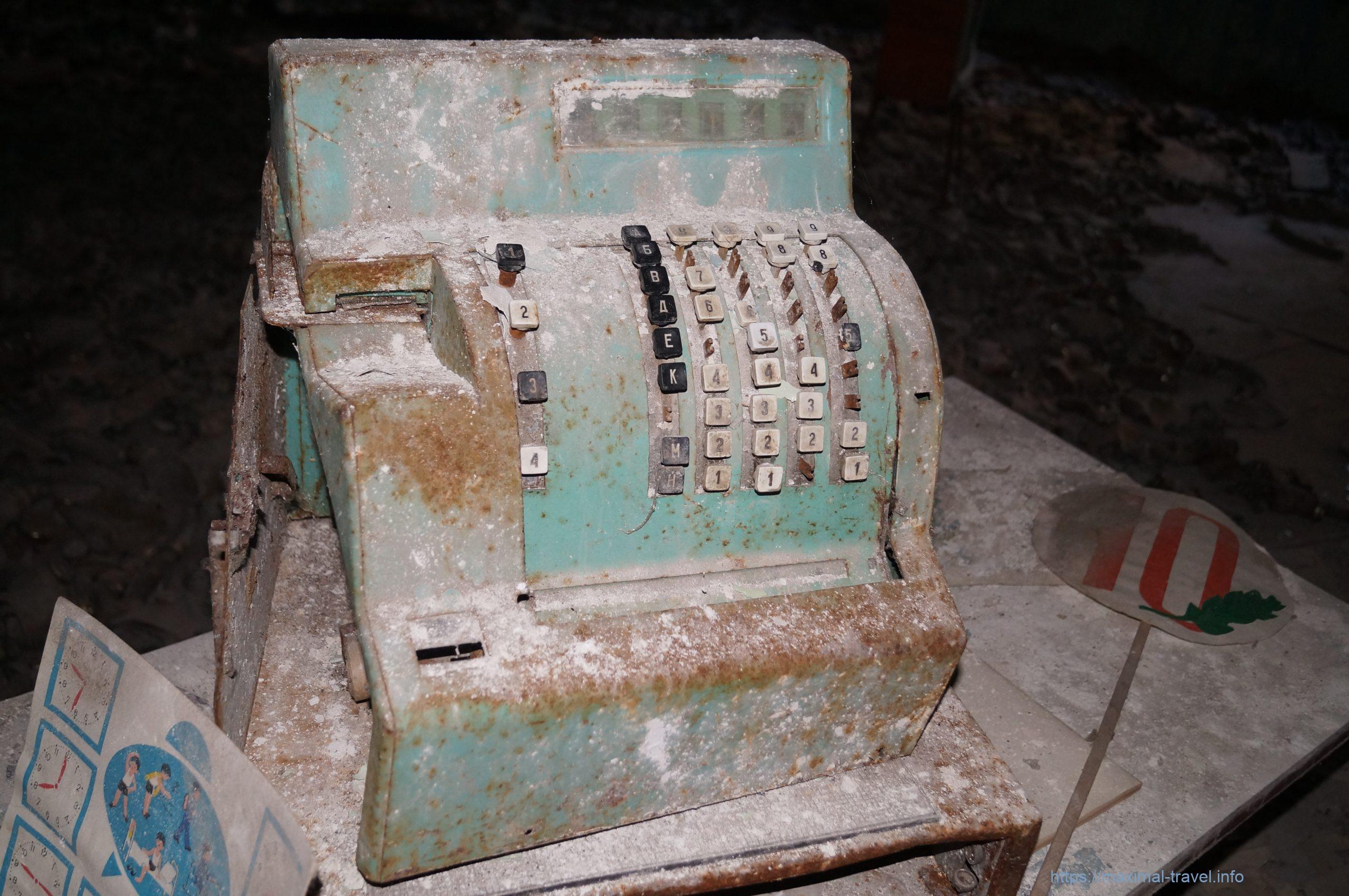
We visited abandoned villages with crooked, sagging houses. The Red Forest, where you can measure the radiation in one spot and see perfectly normal readings, and 20 centimetres away very high readings. We also visited an abandoned kindergarten — a very eerie sight, where you can see children’s old broken toys. The village of Kopachi, which was almost entirely buried underground after the accident at the Chornobyl nuclear power plant.
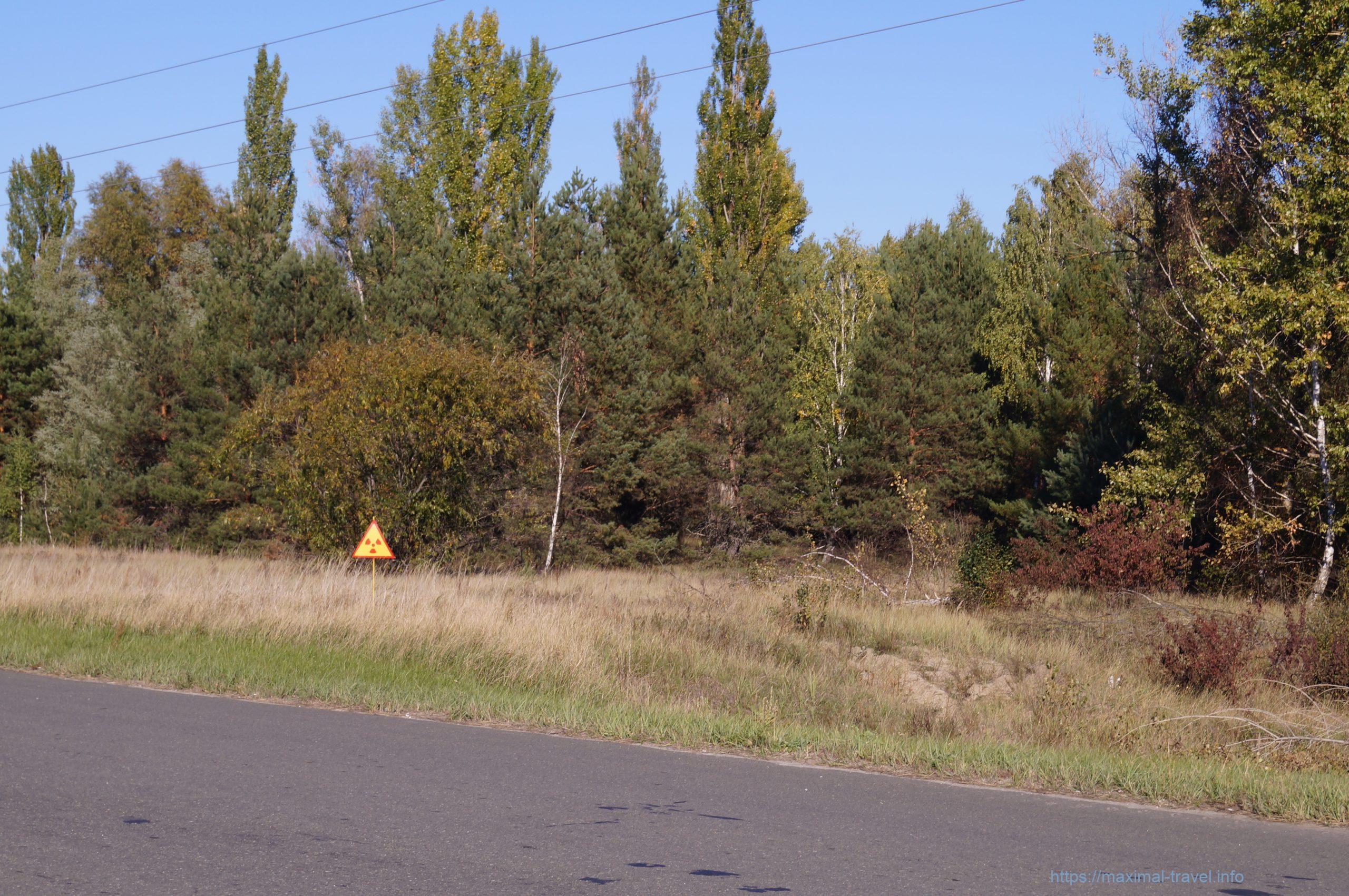
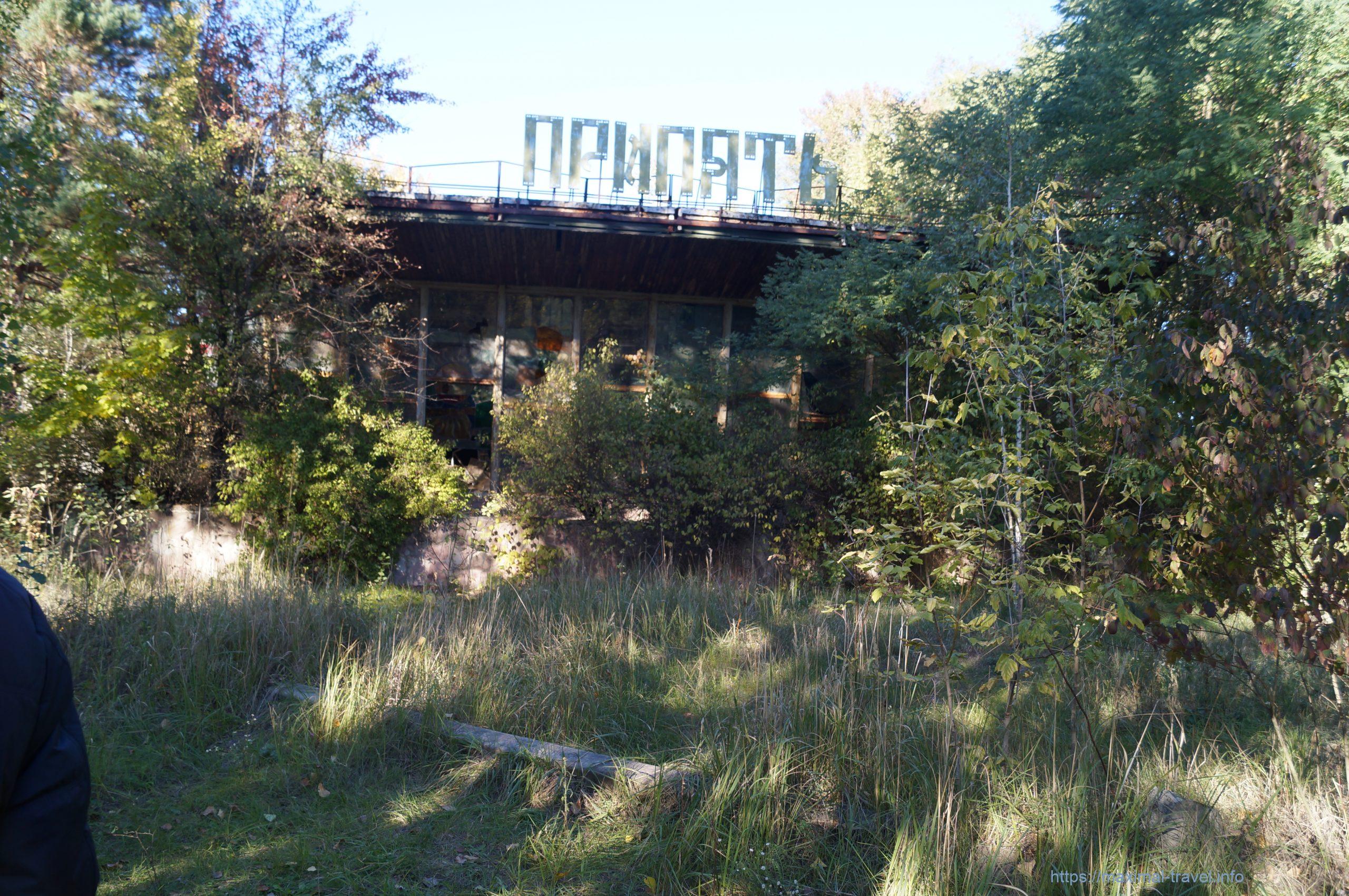
And of course, in Chornobyl we visited the famous town of Prypiat.
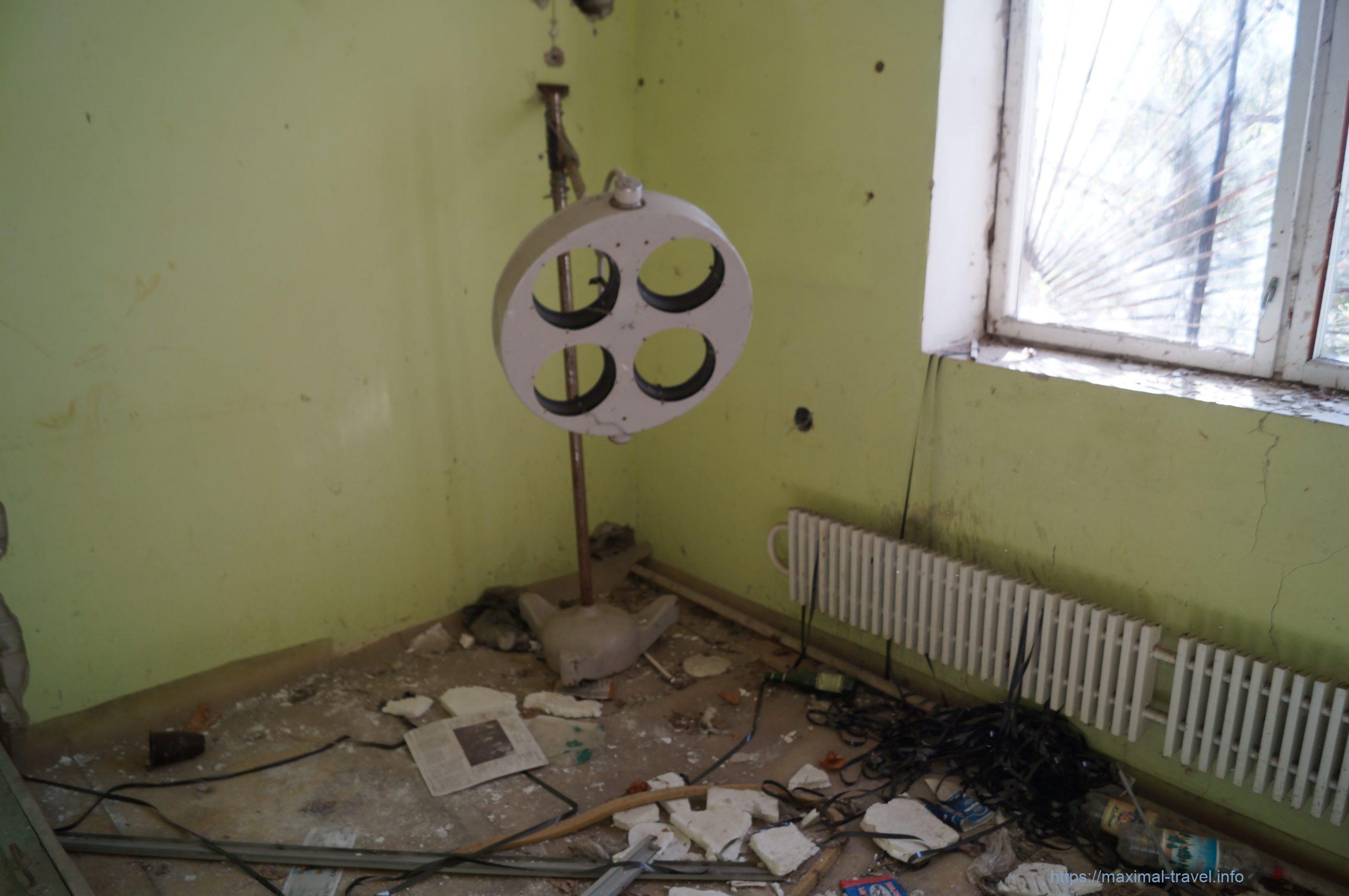
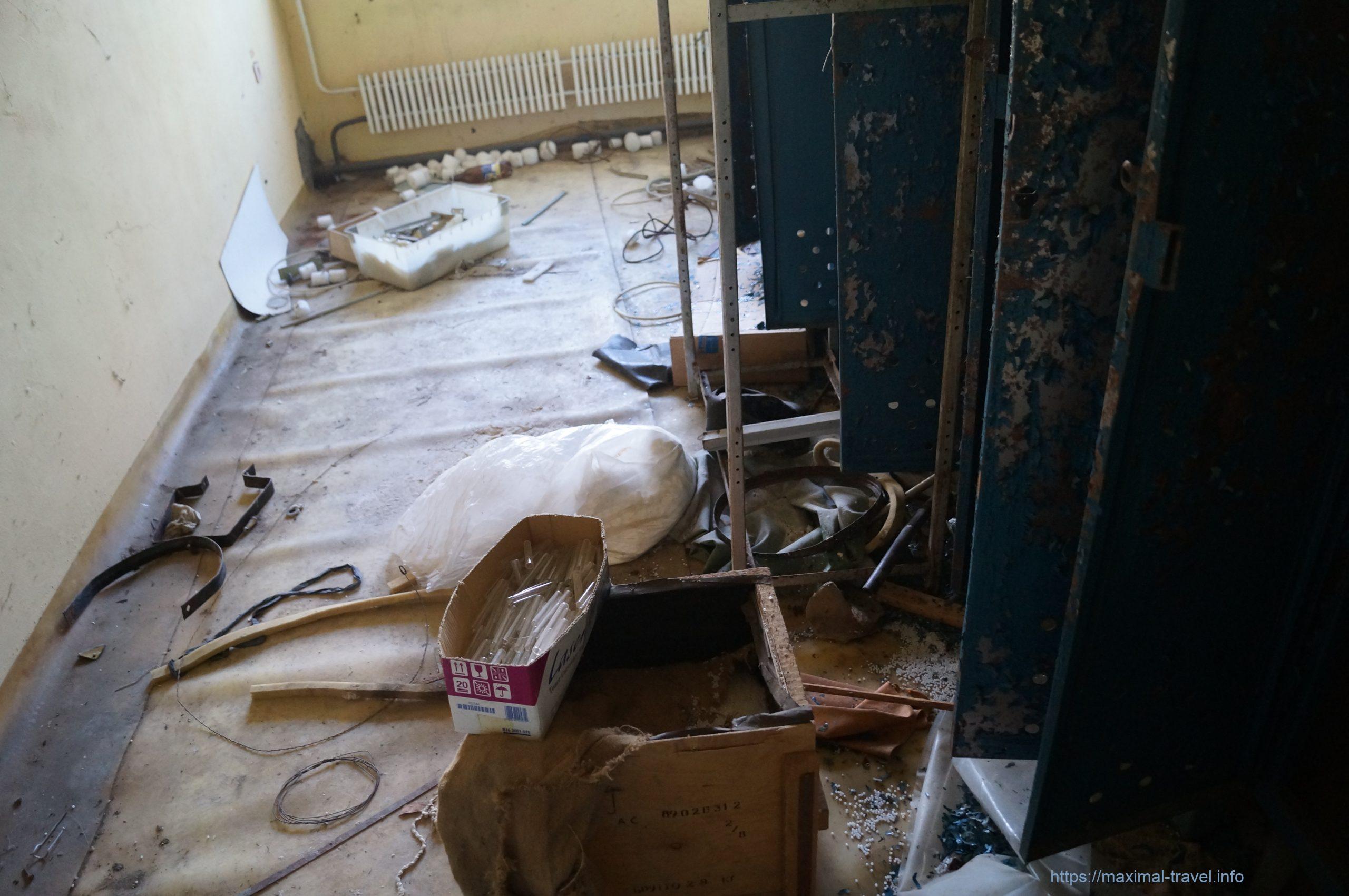
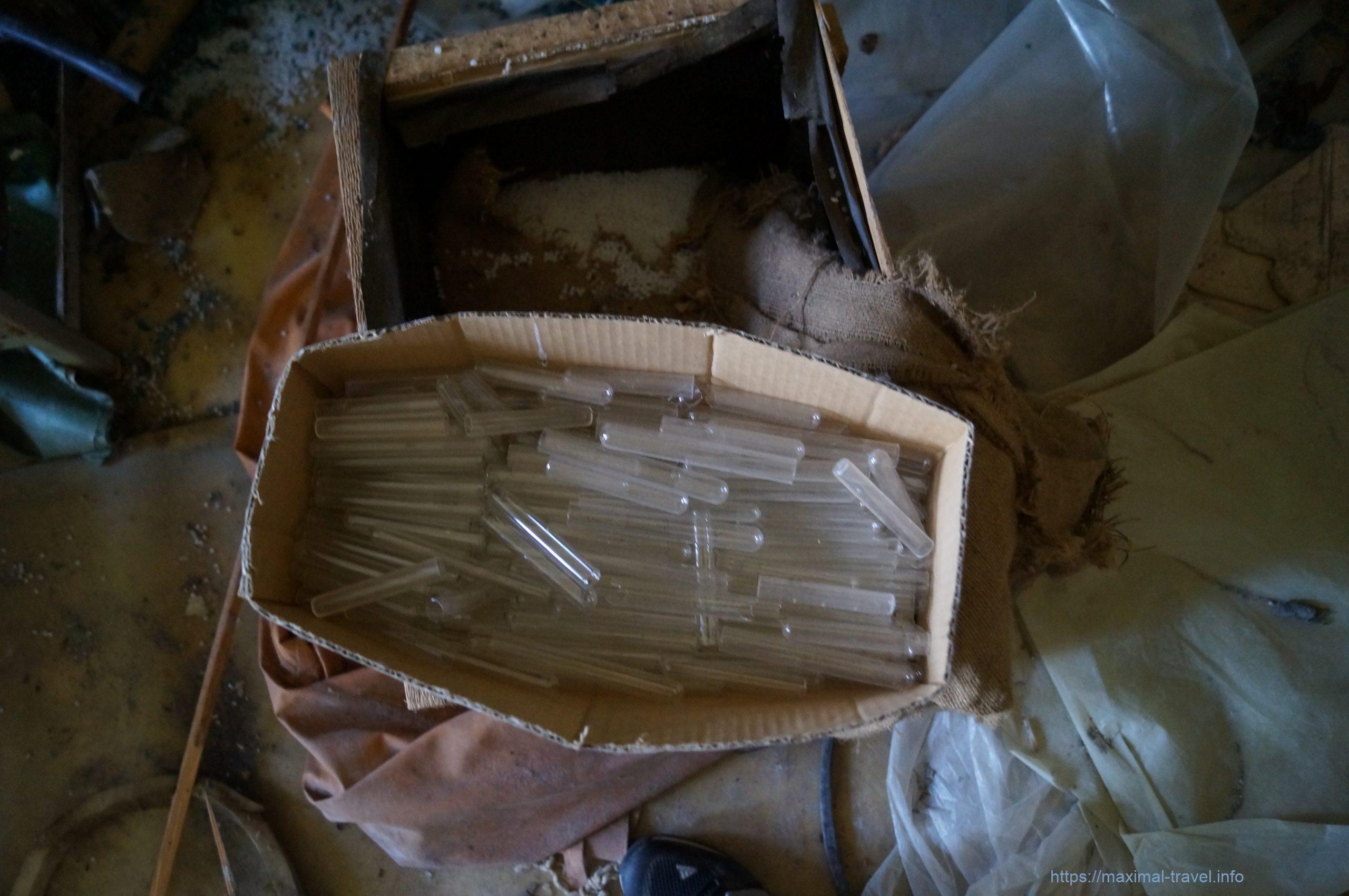
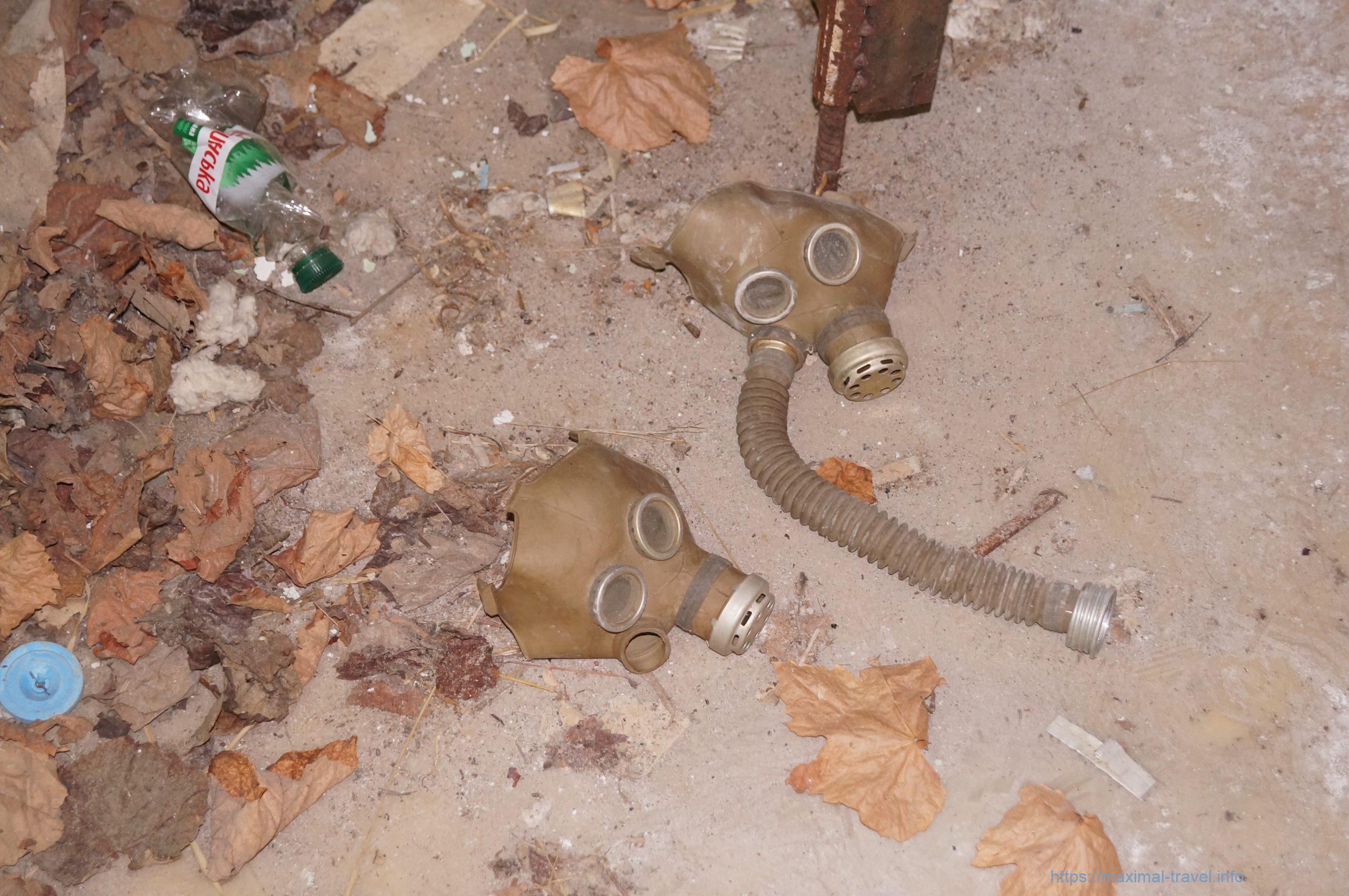
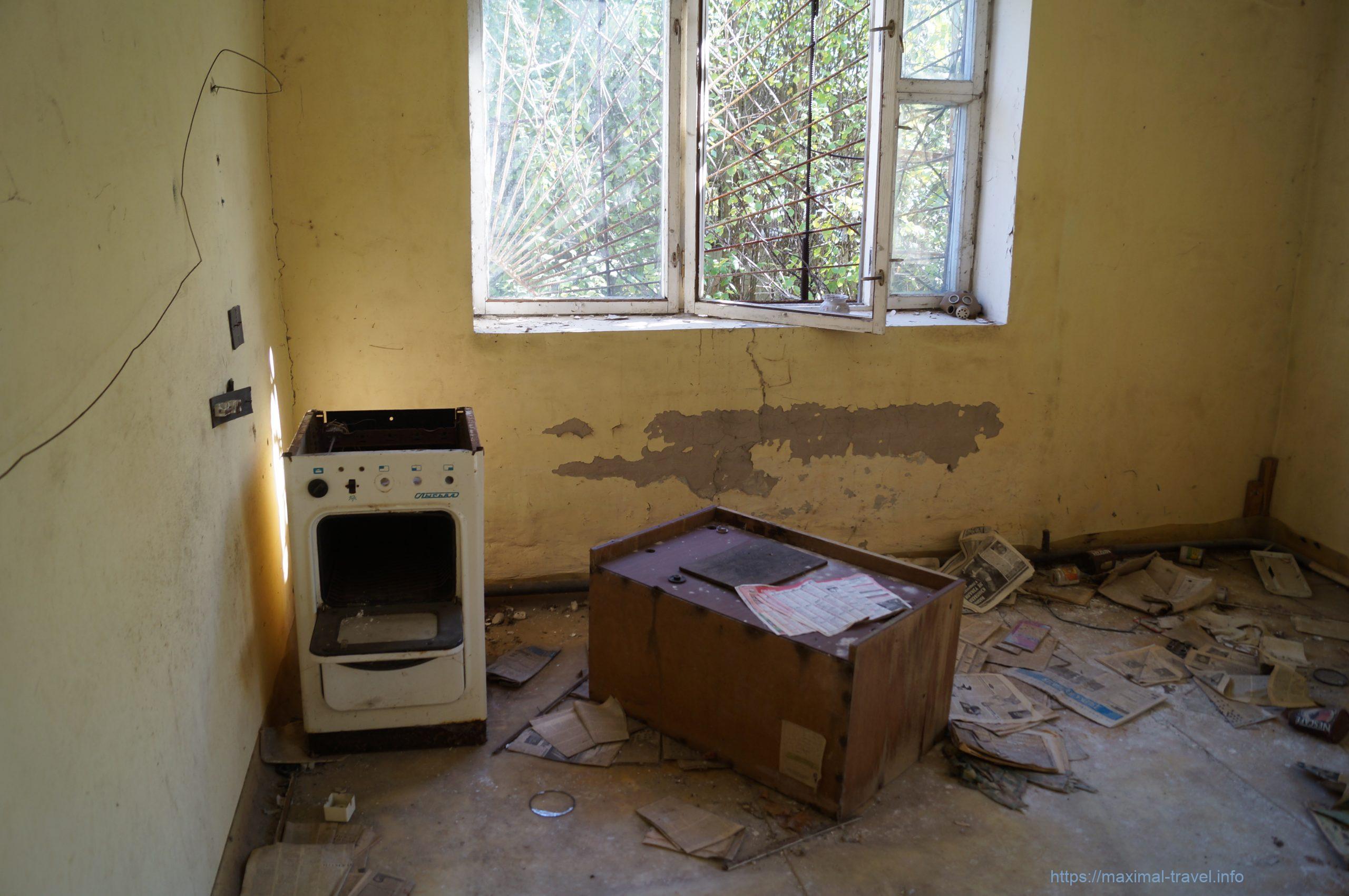
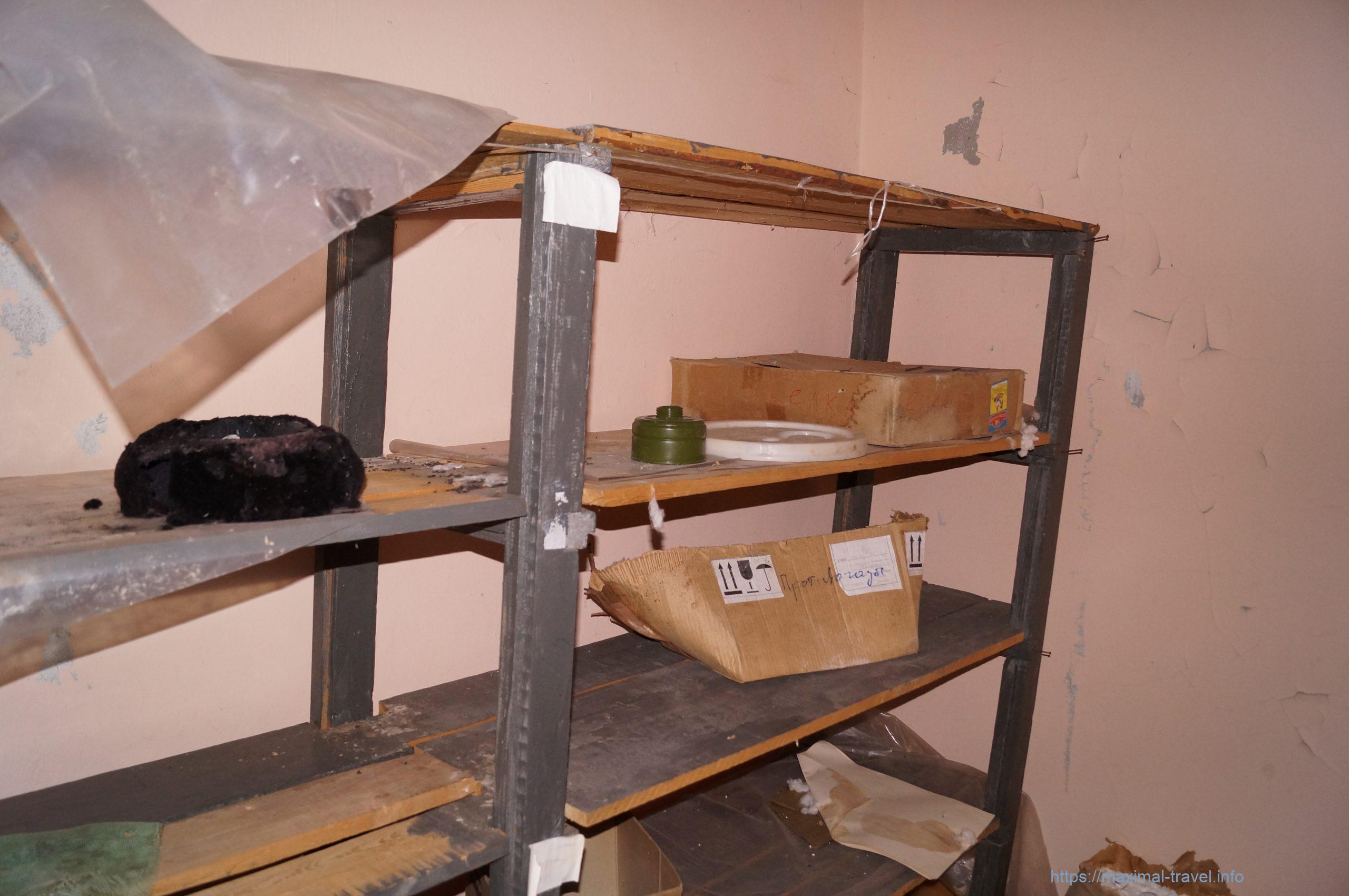
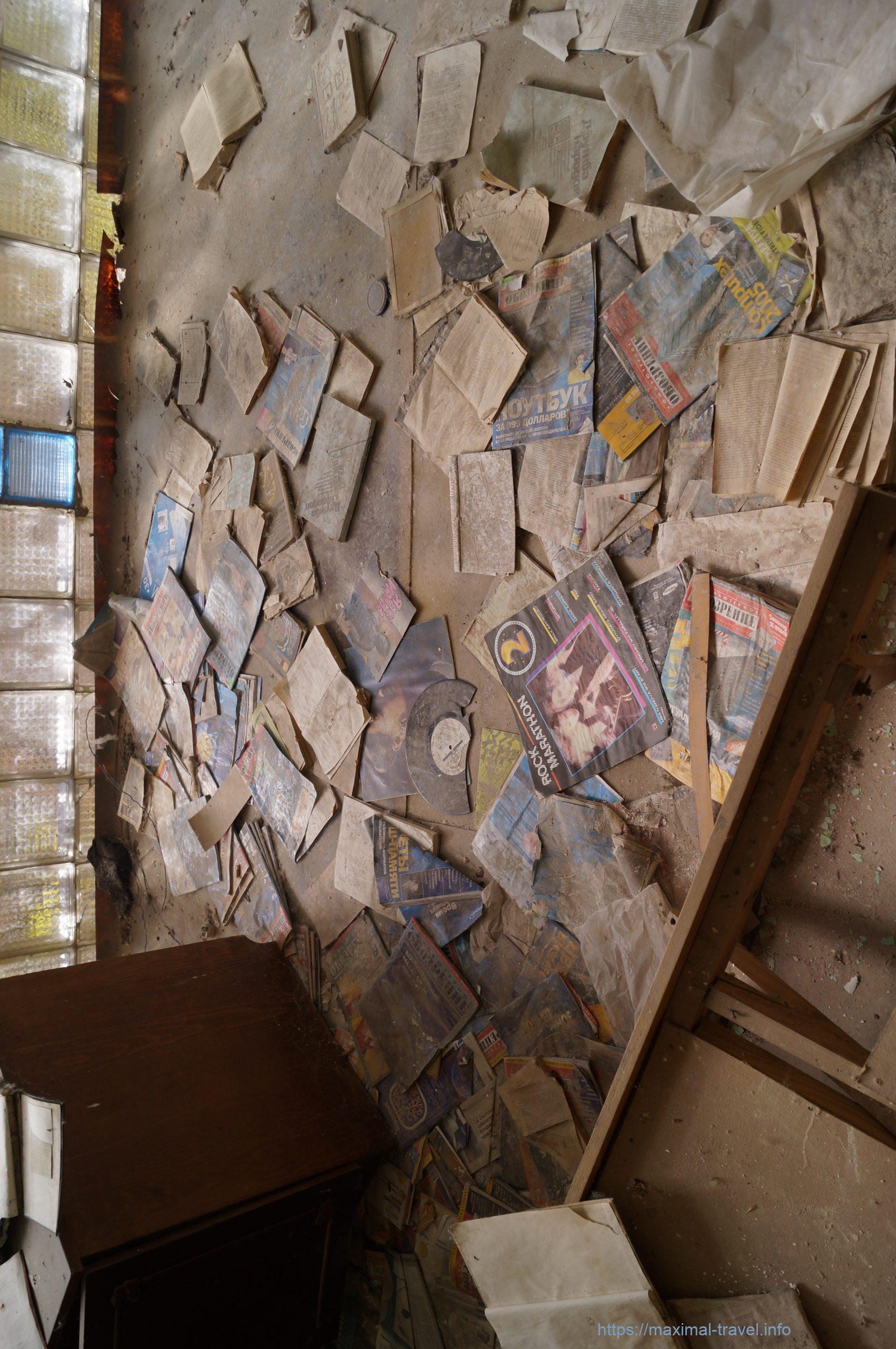
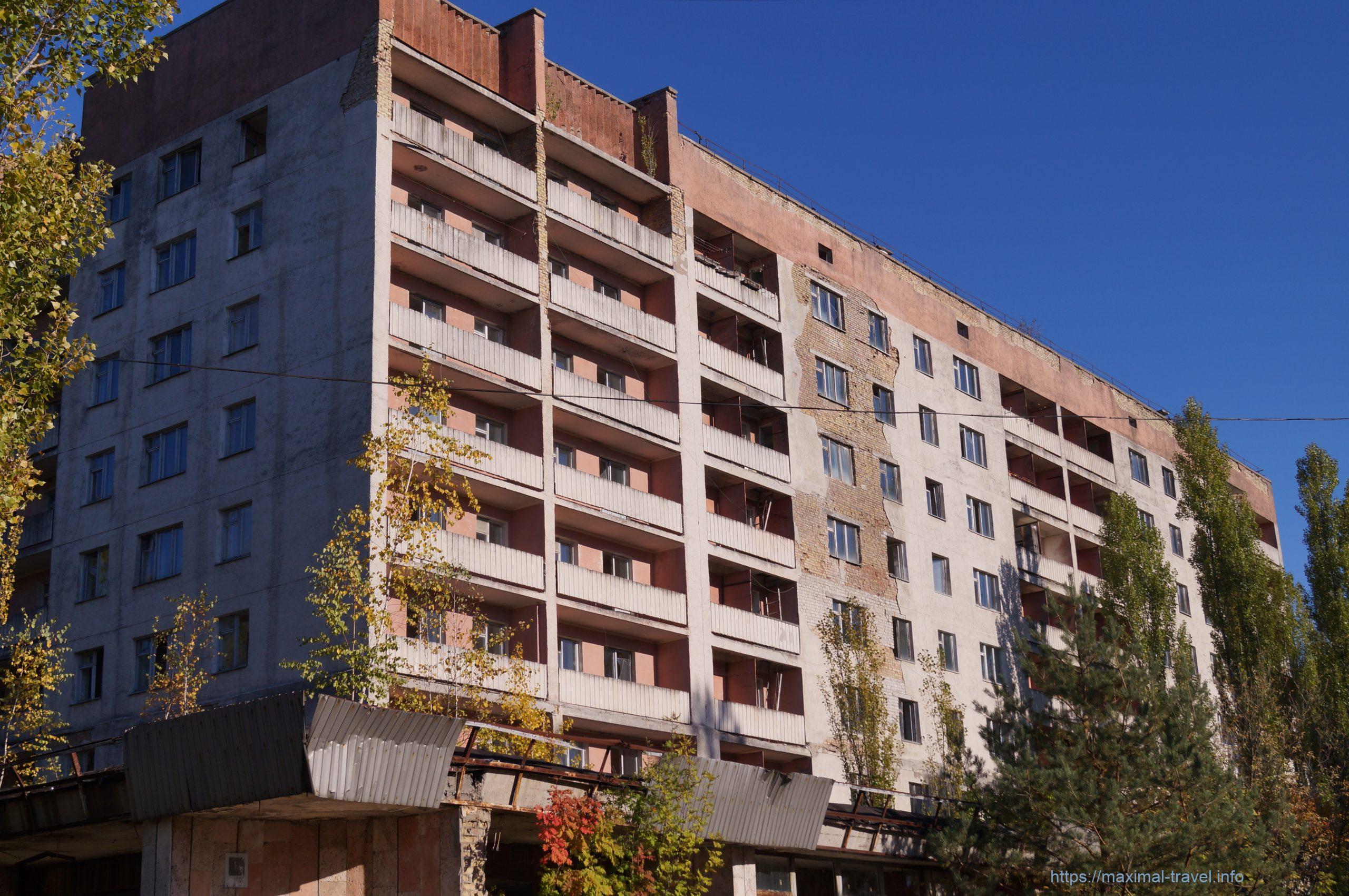
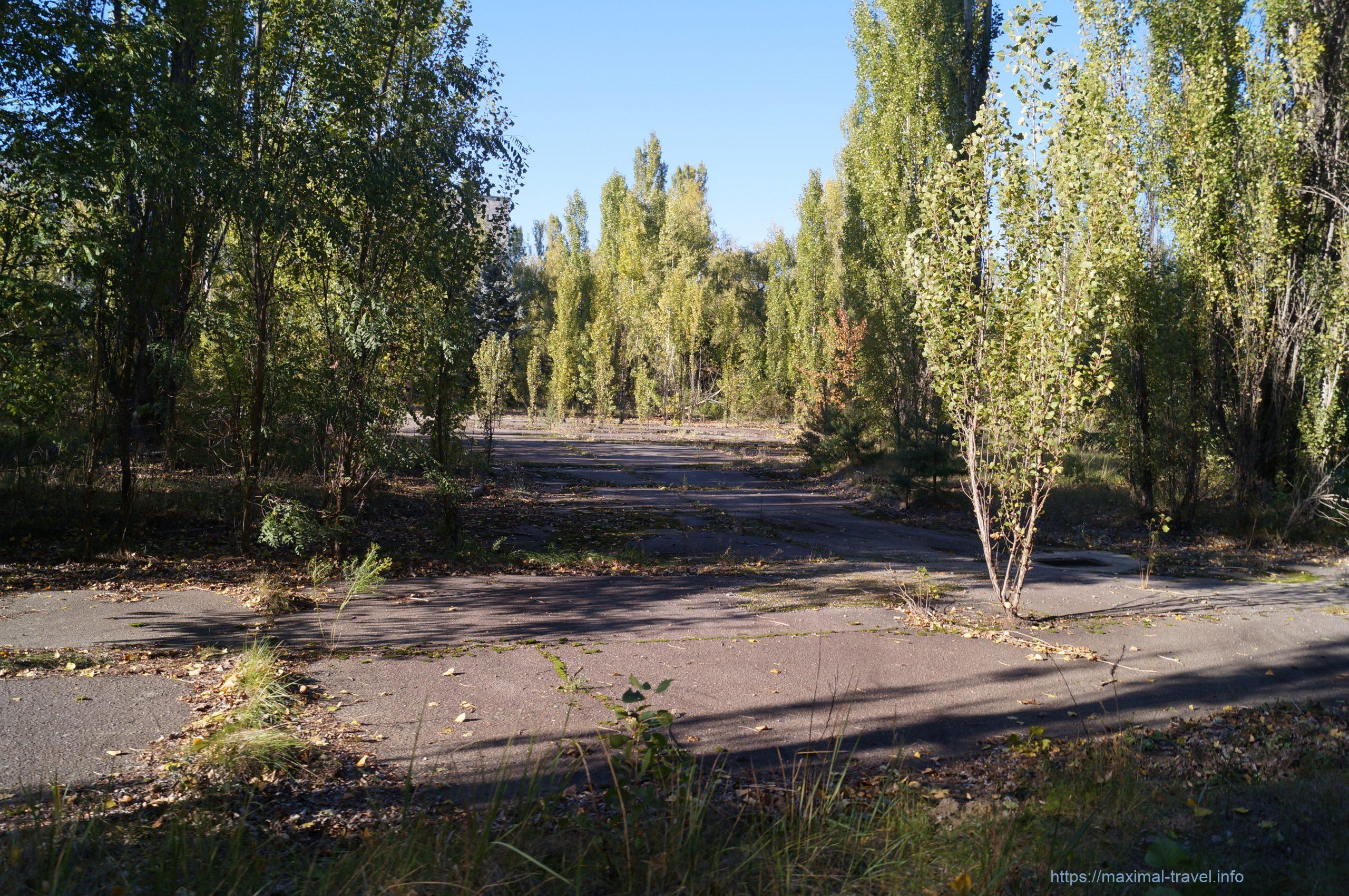
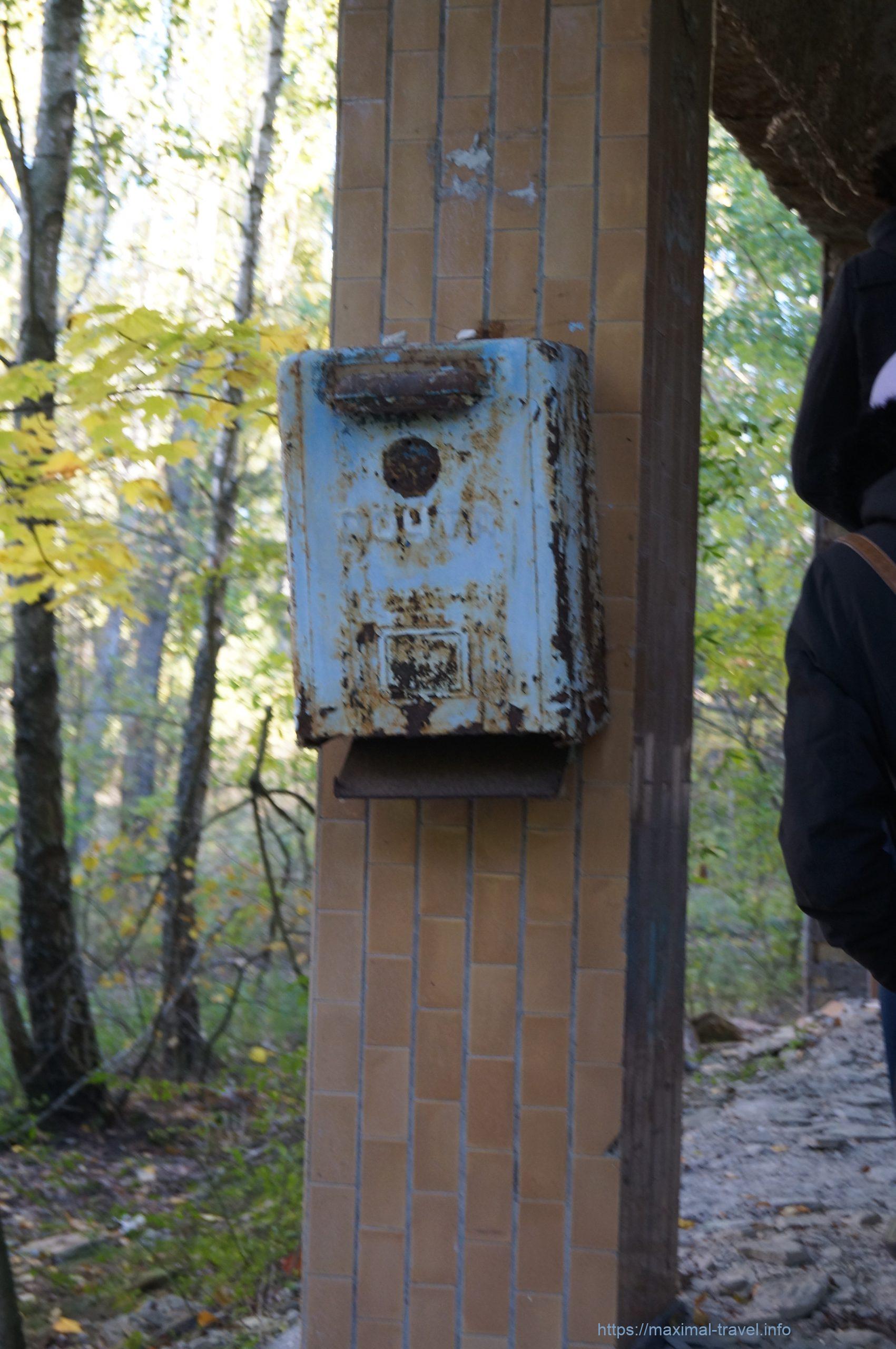
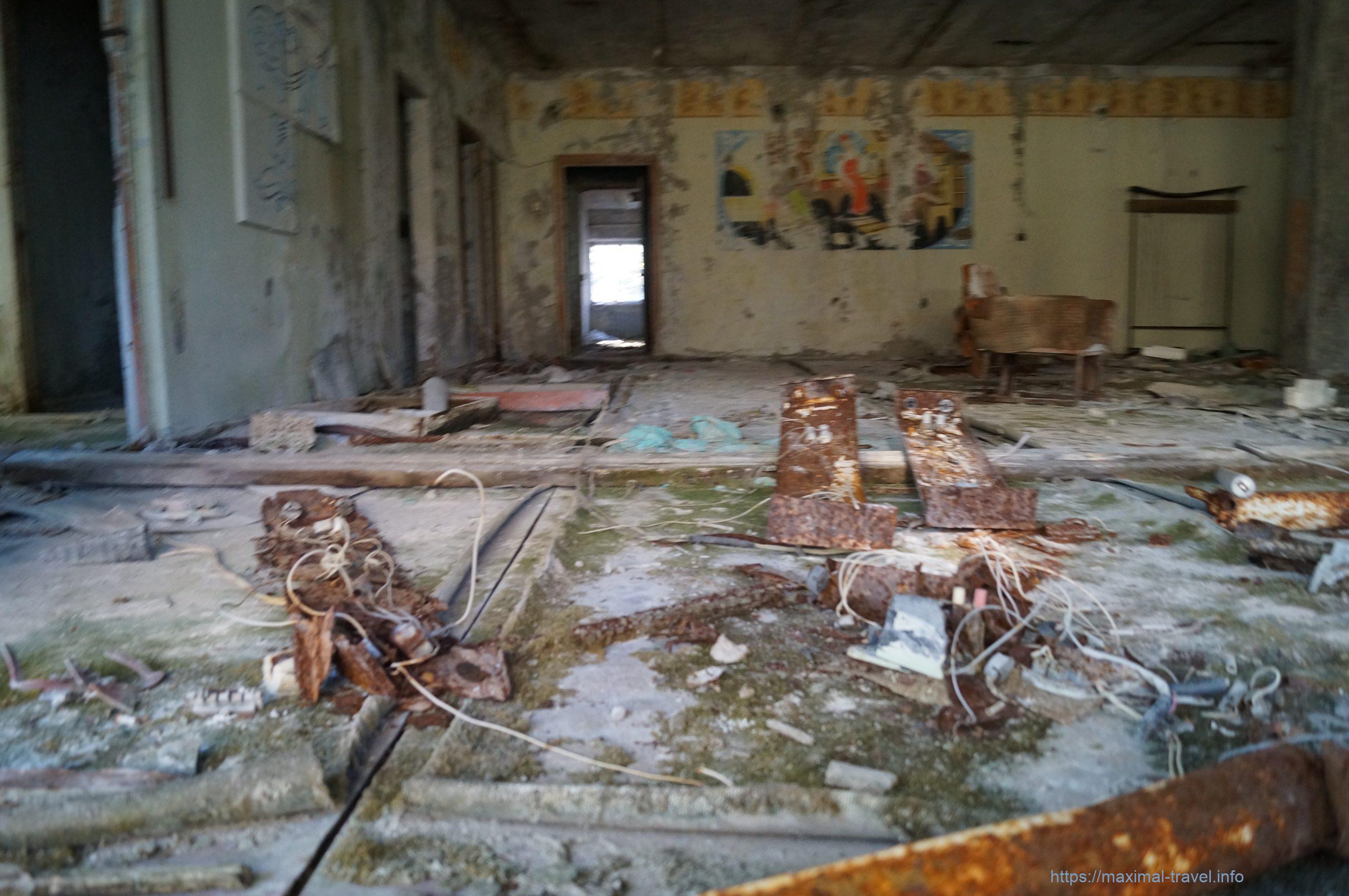
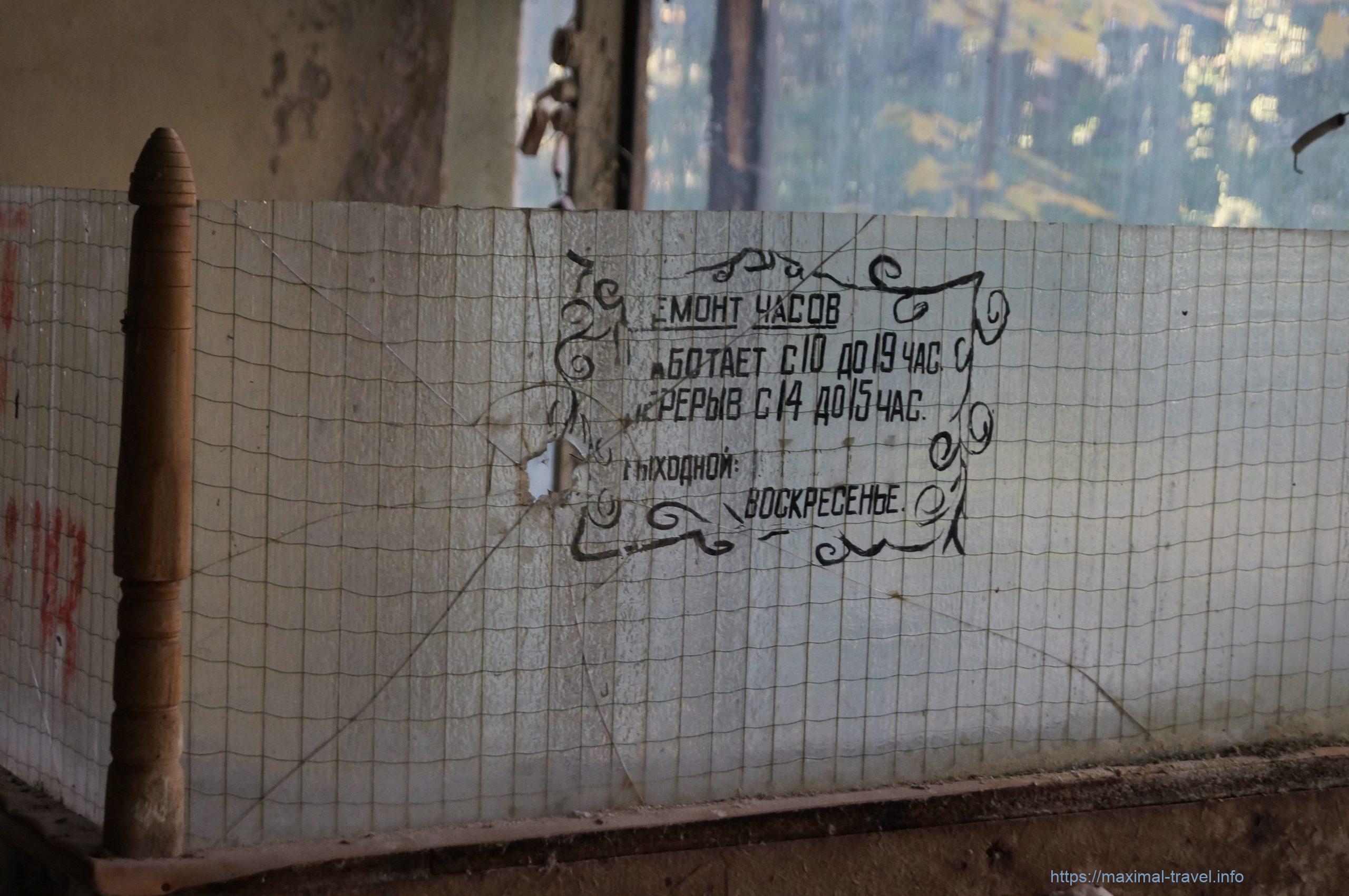
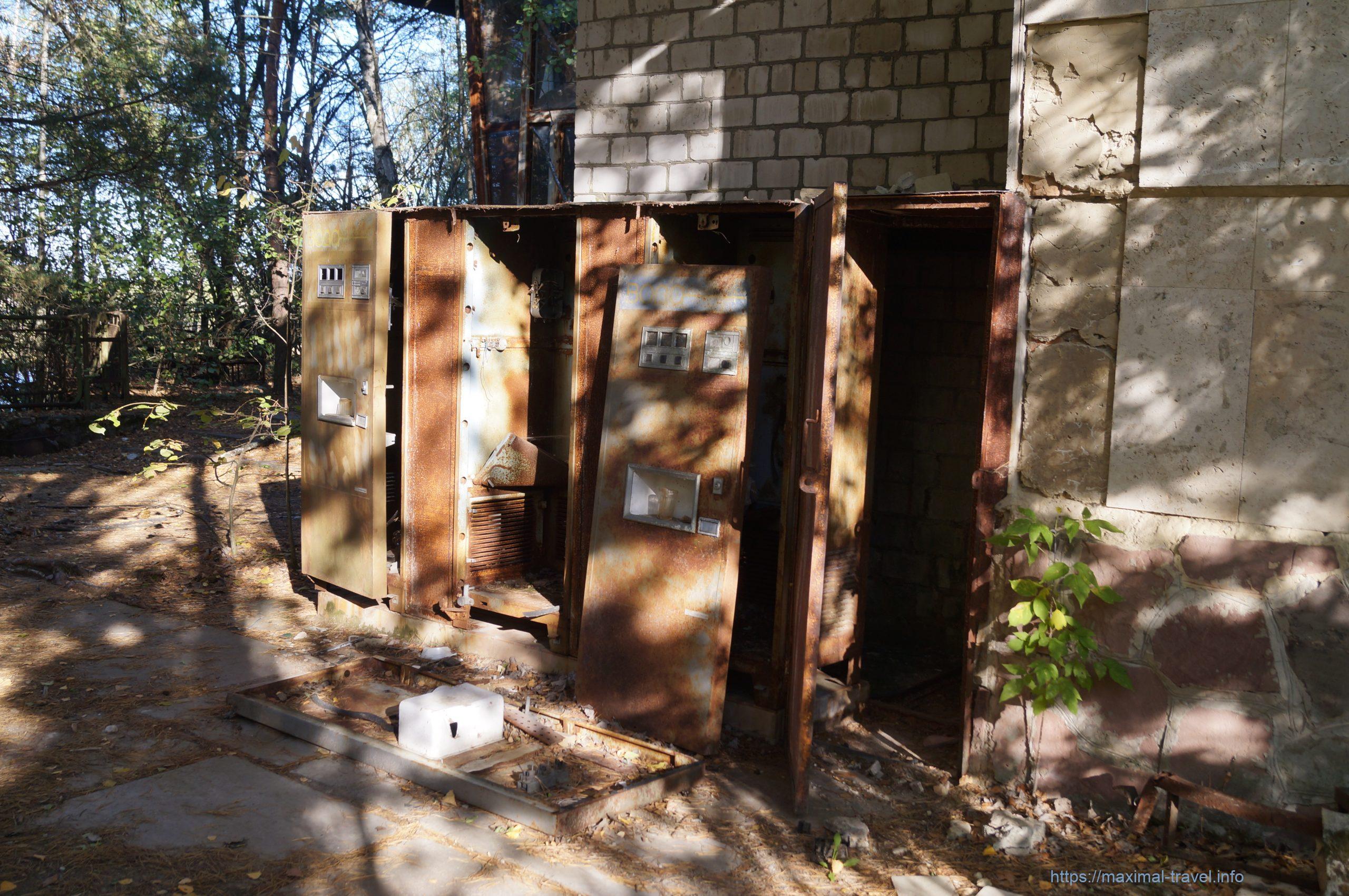
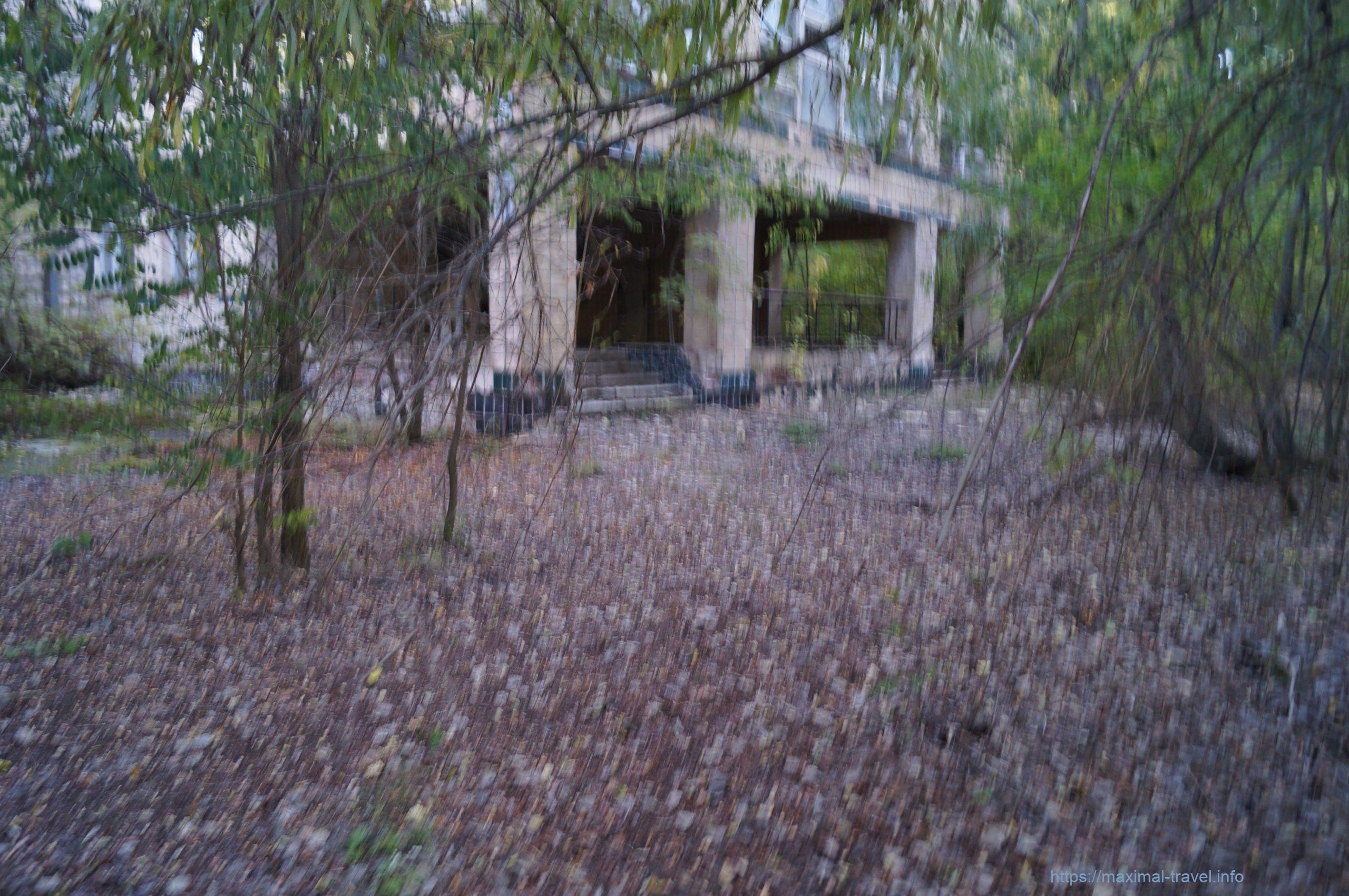
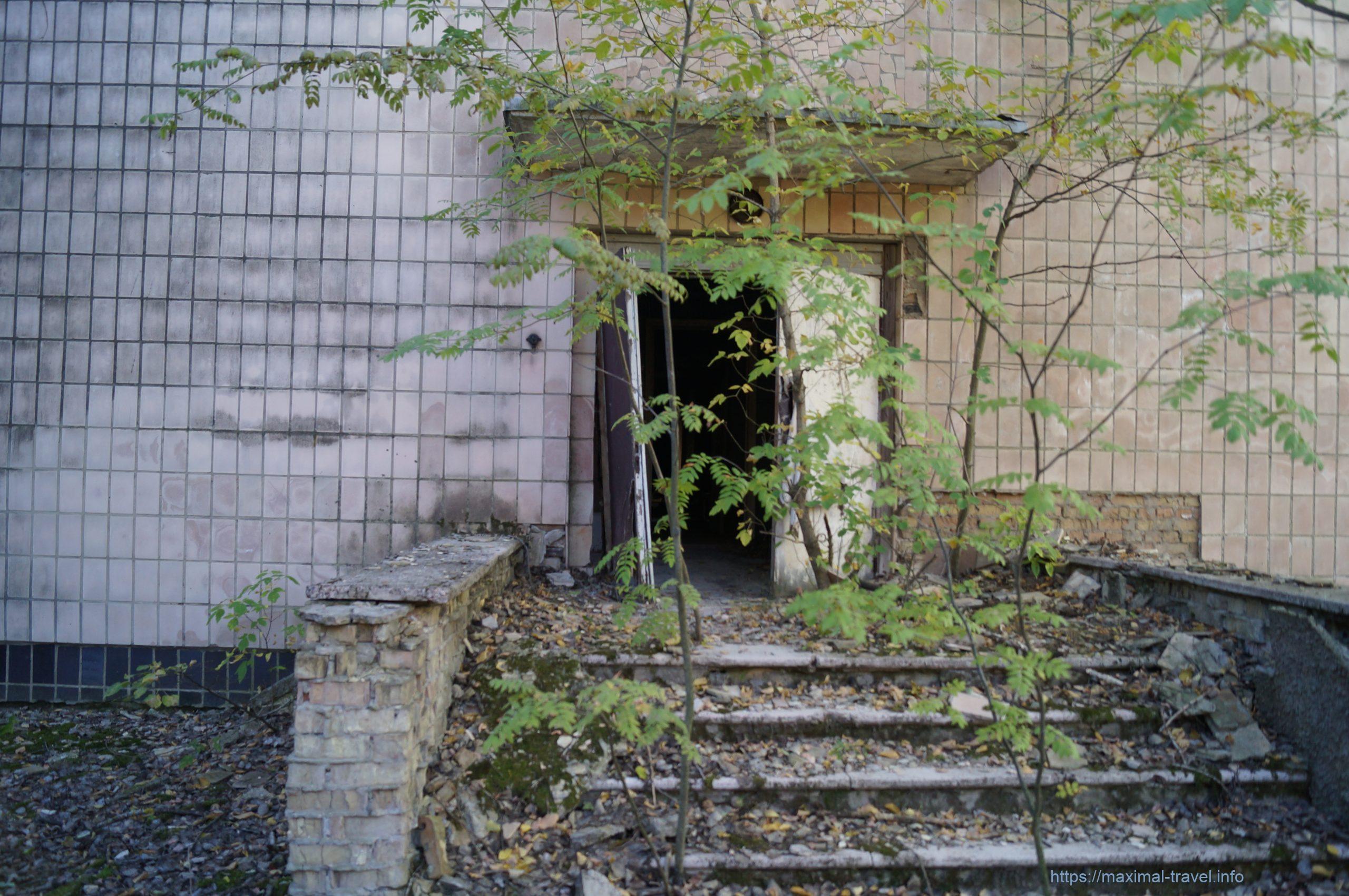
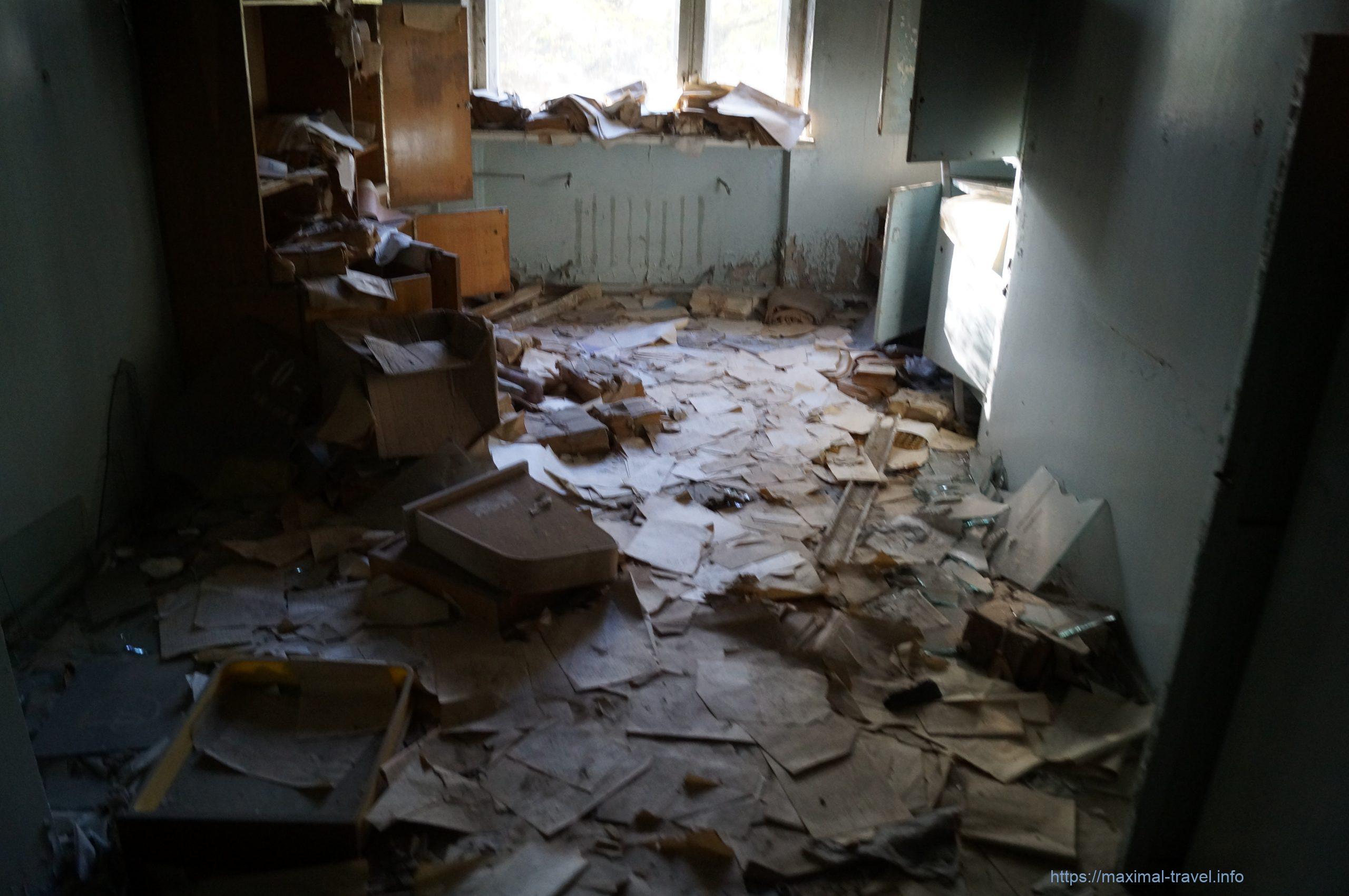
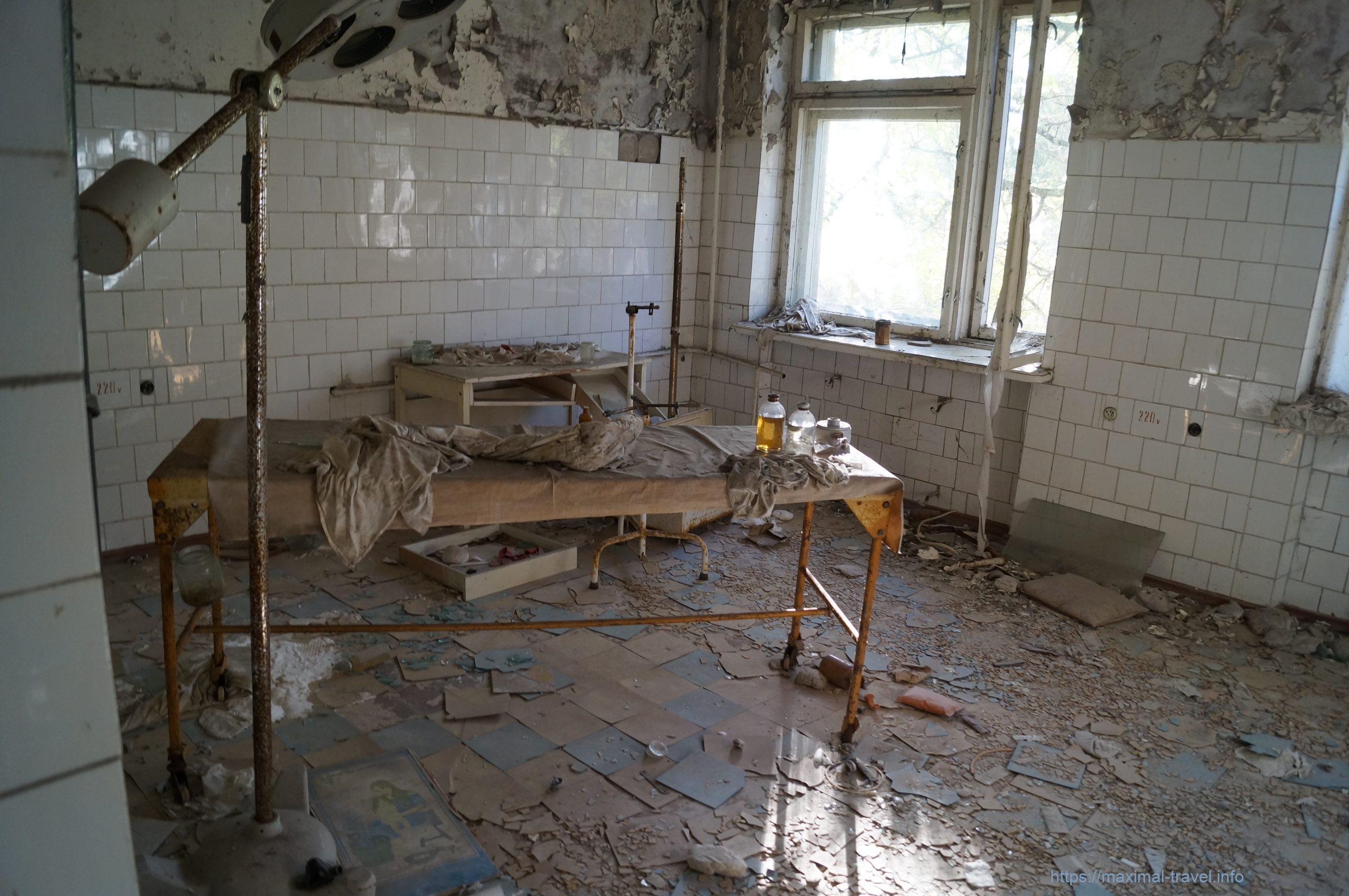
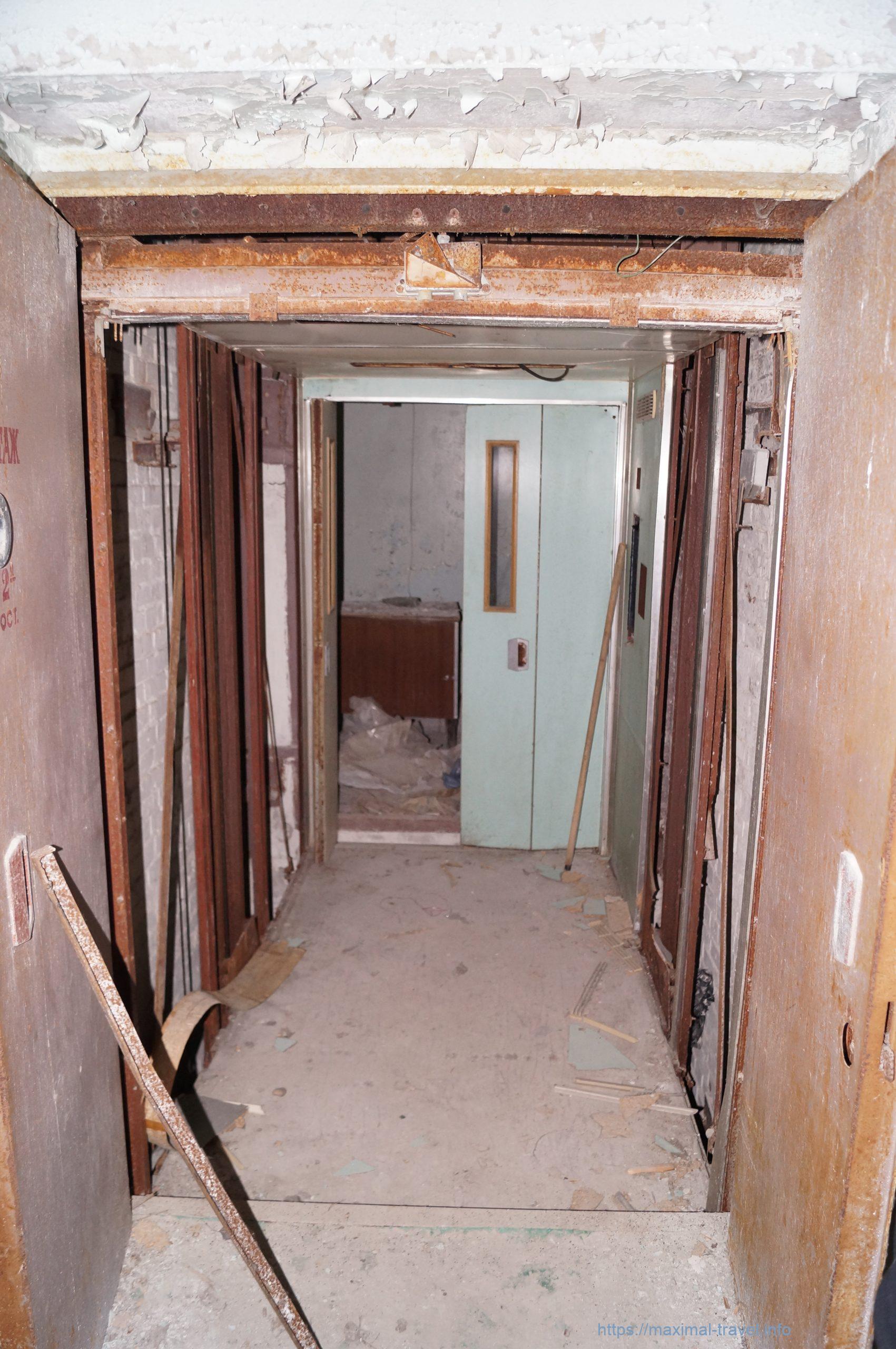
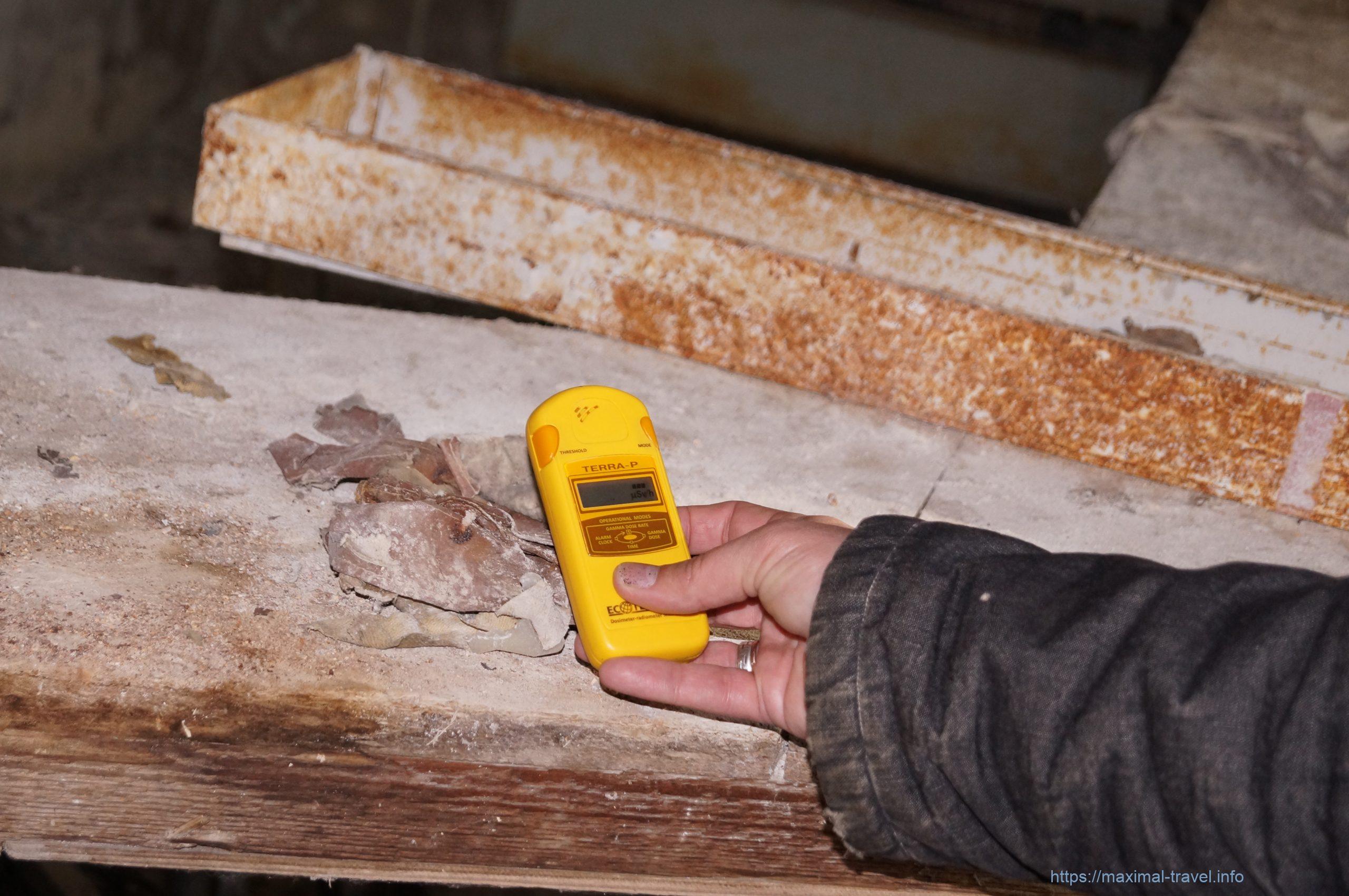
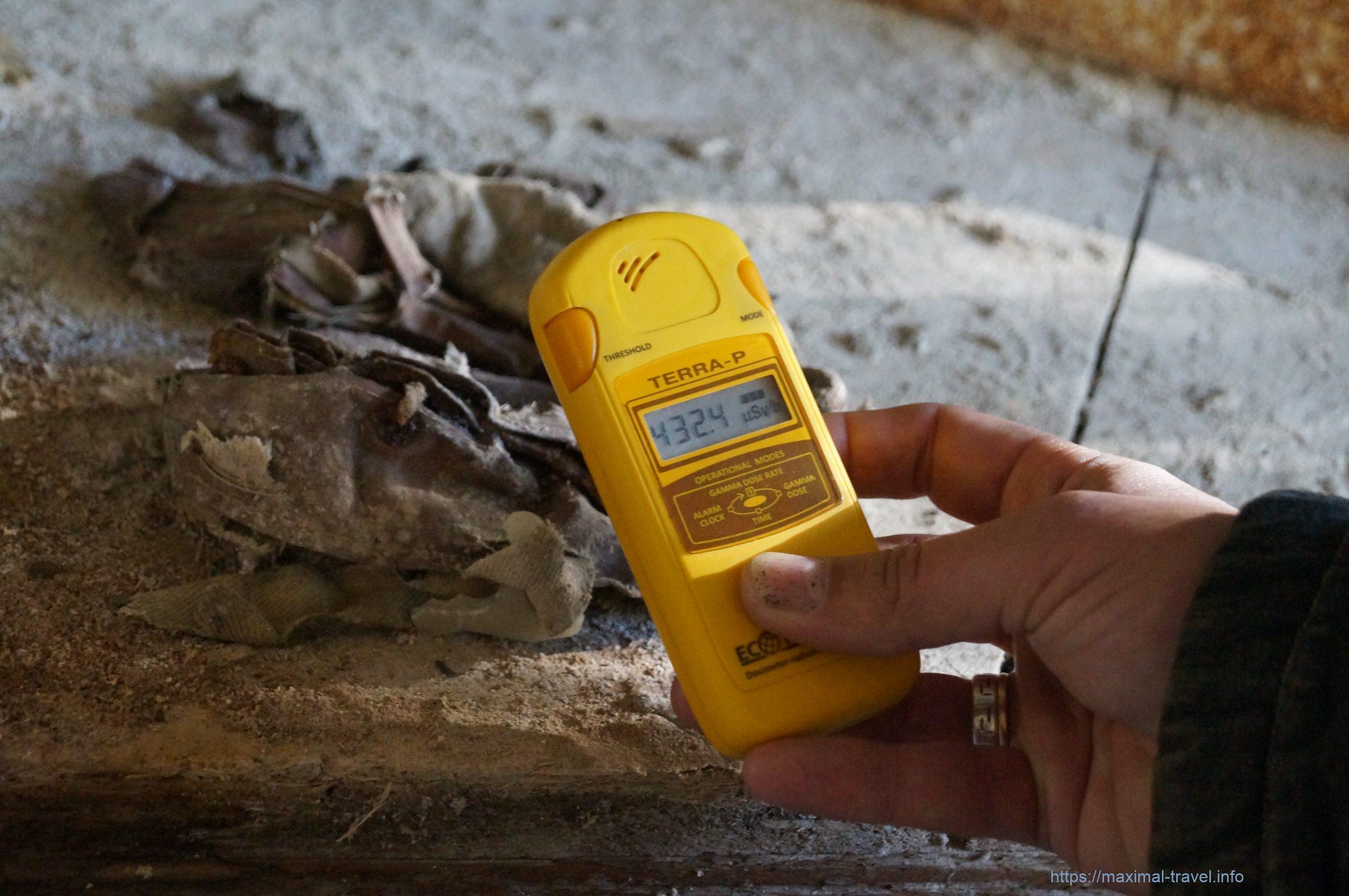
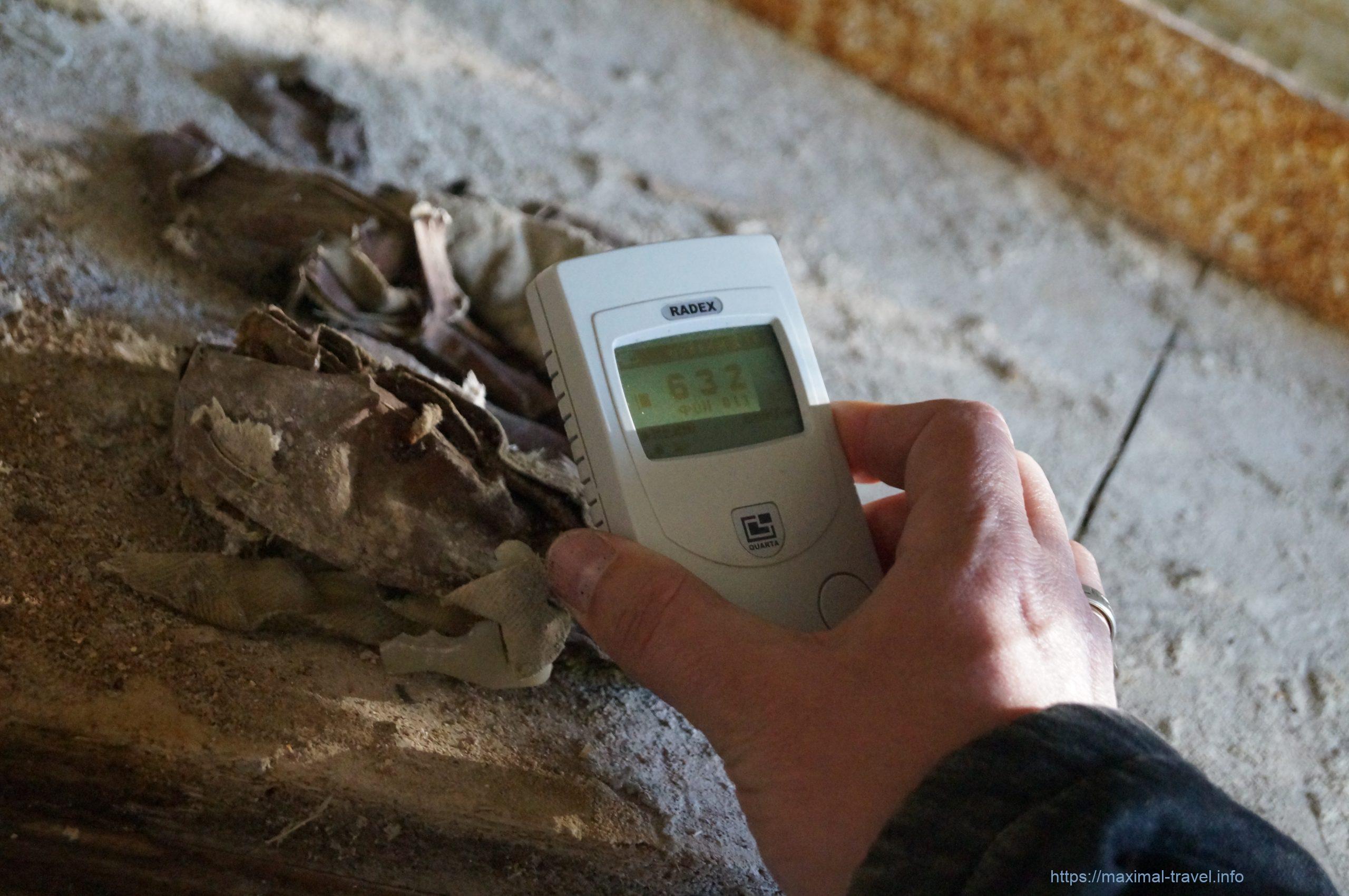
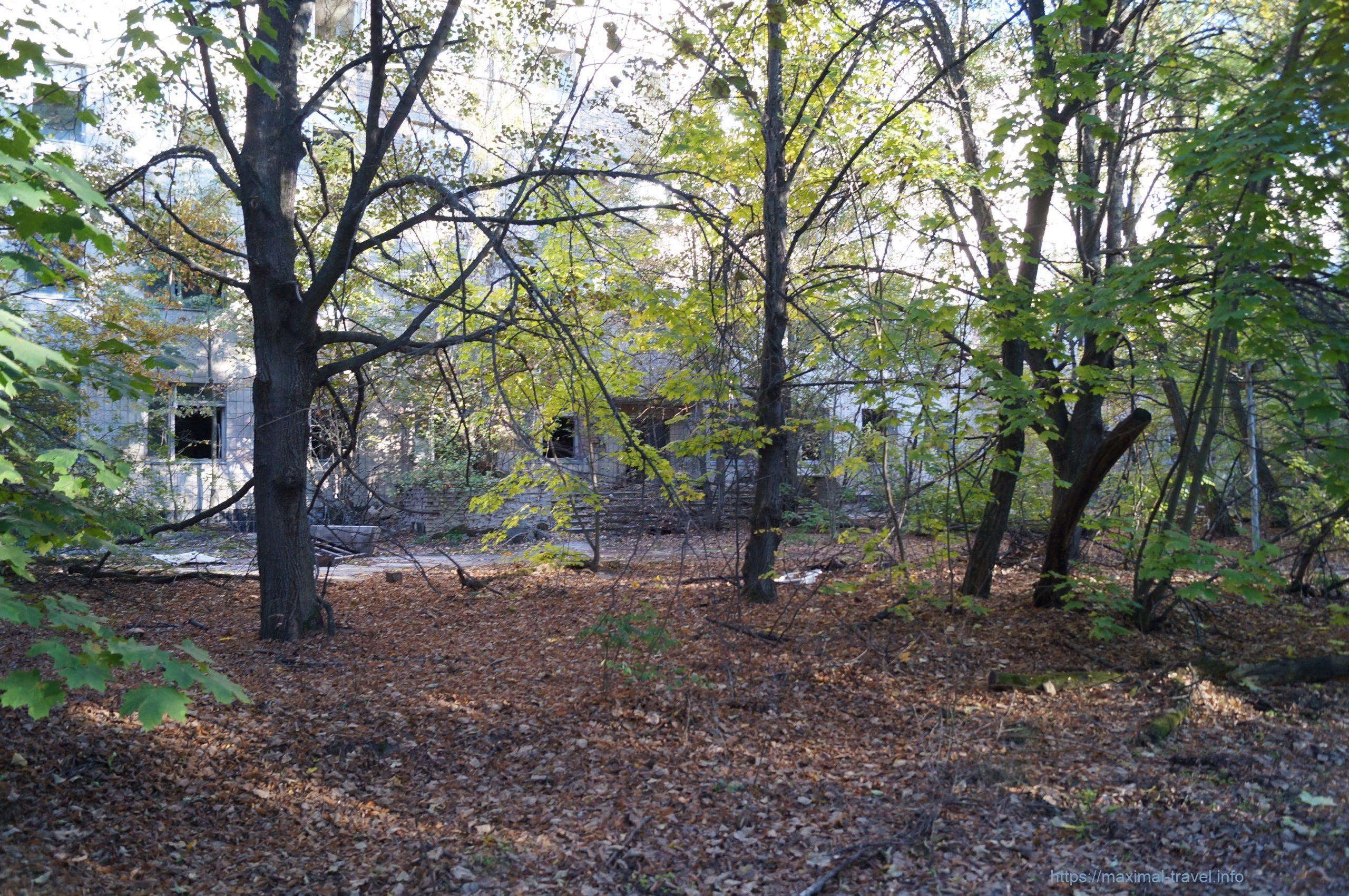
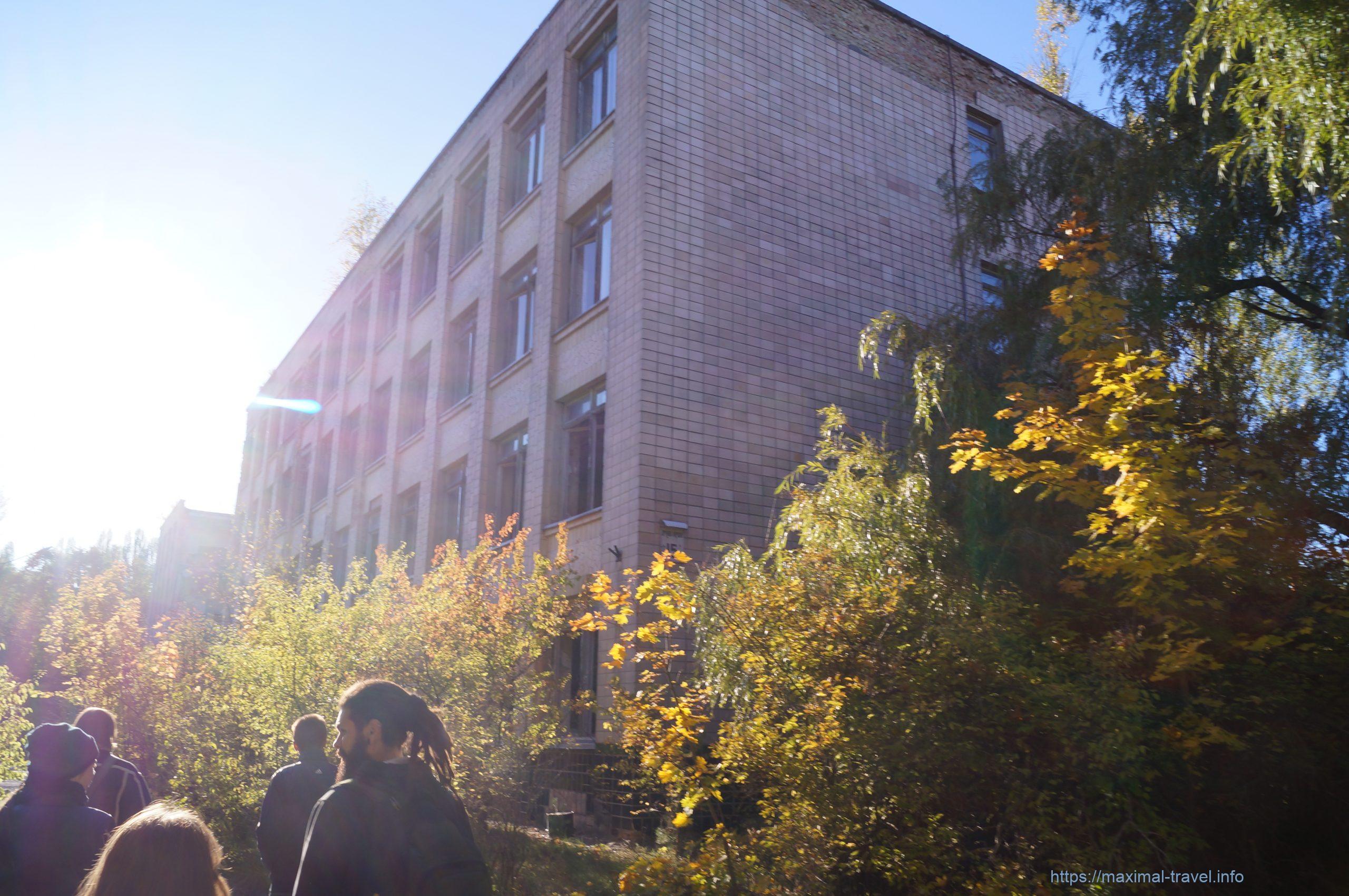
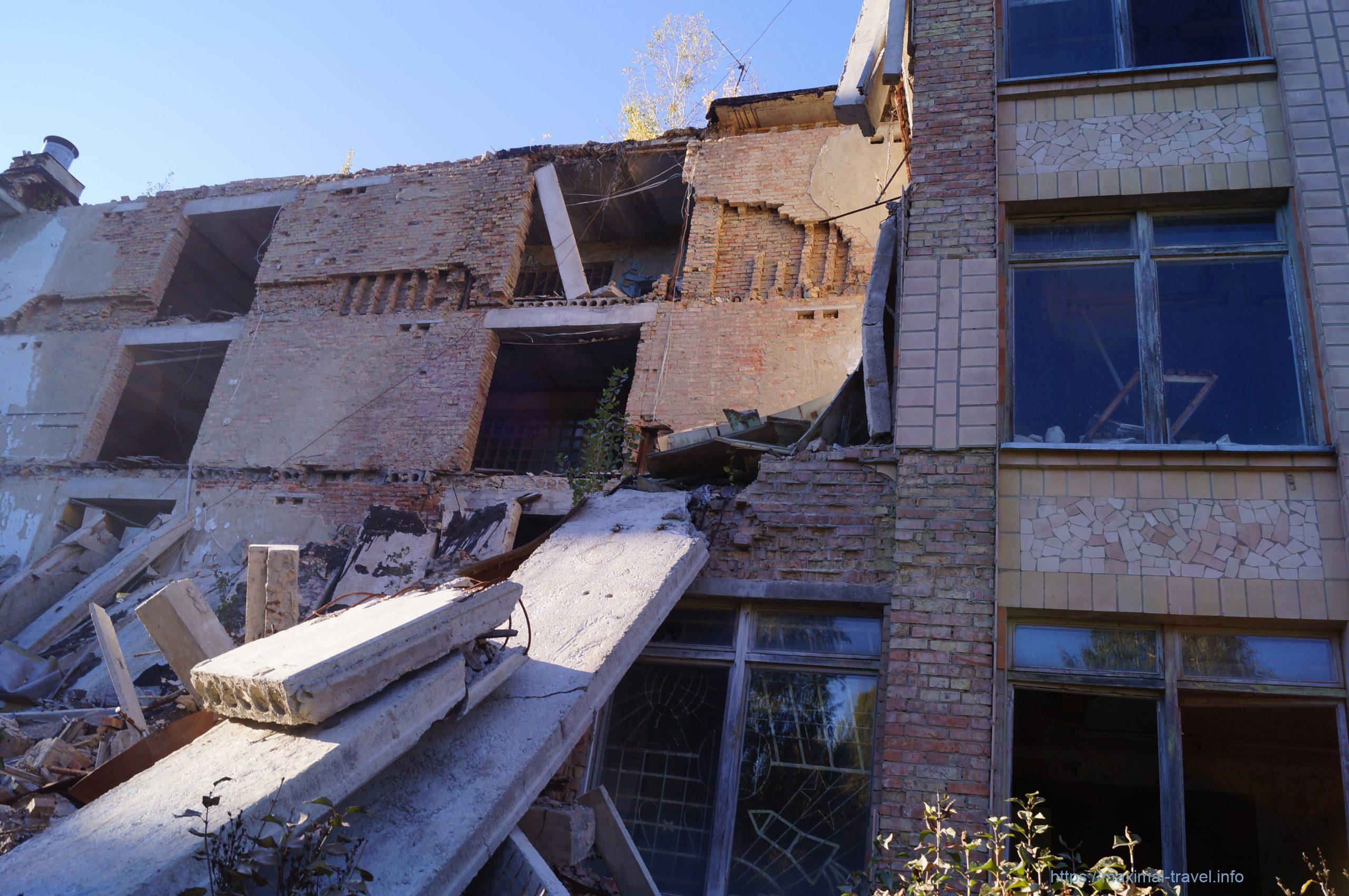
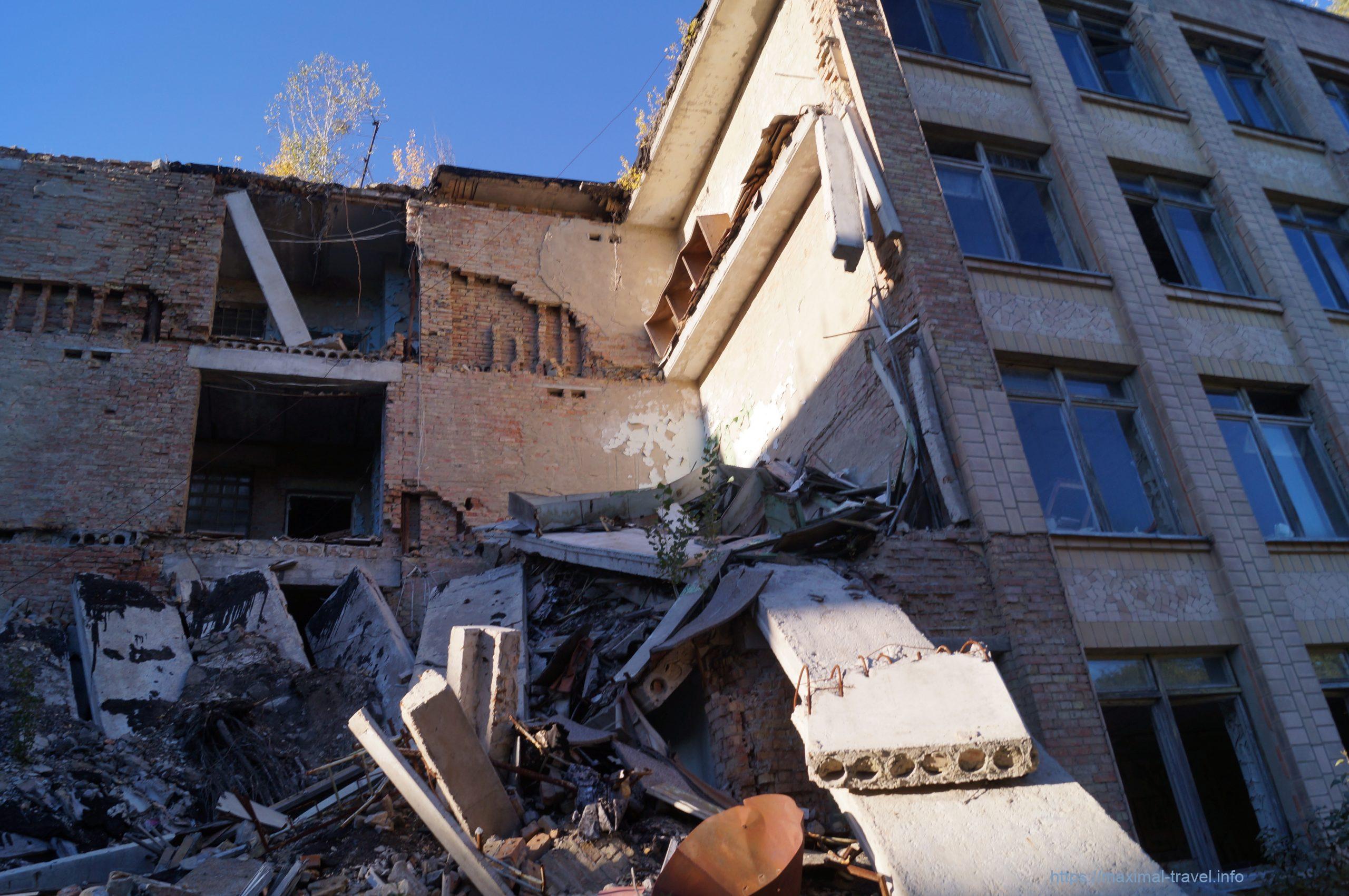
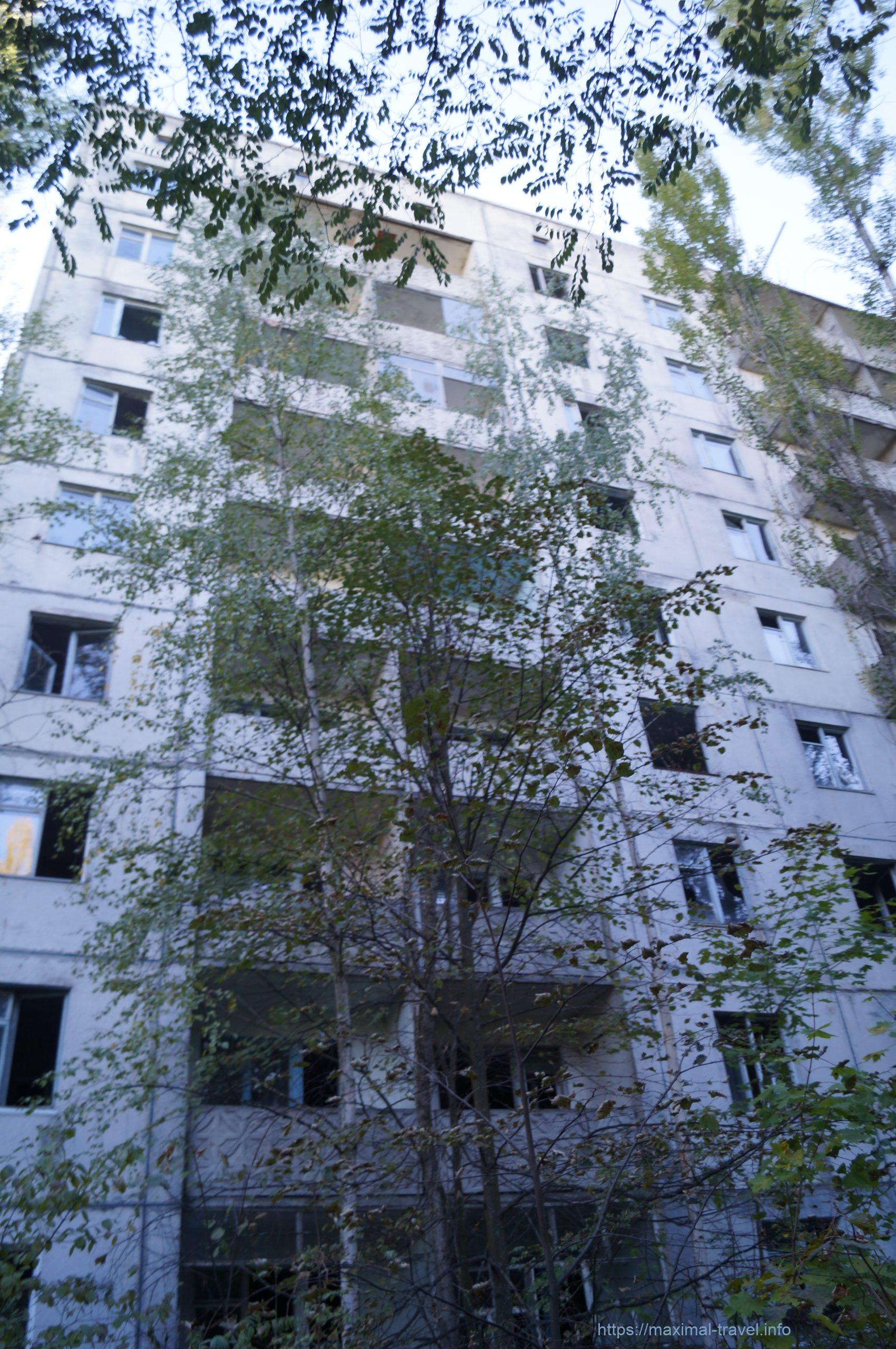
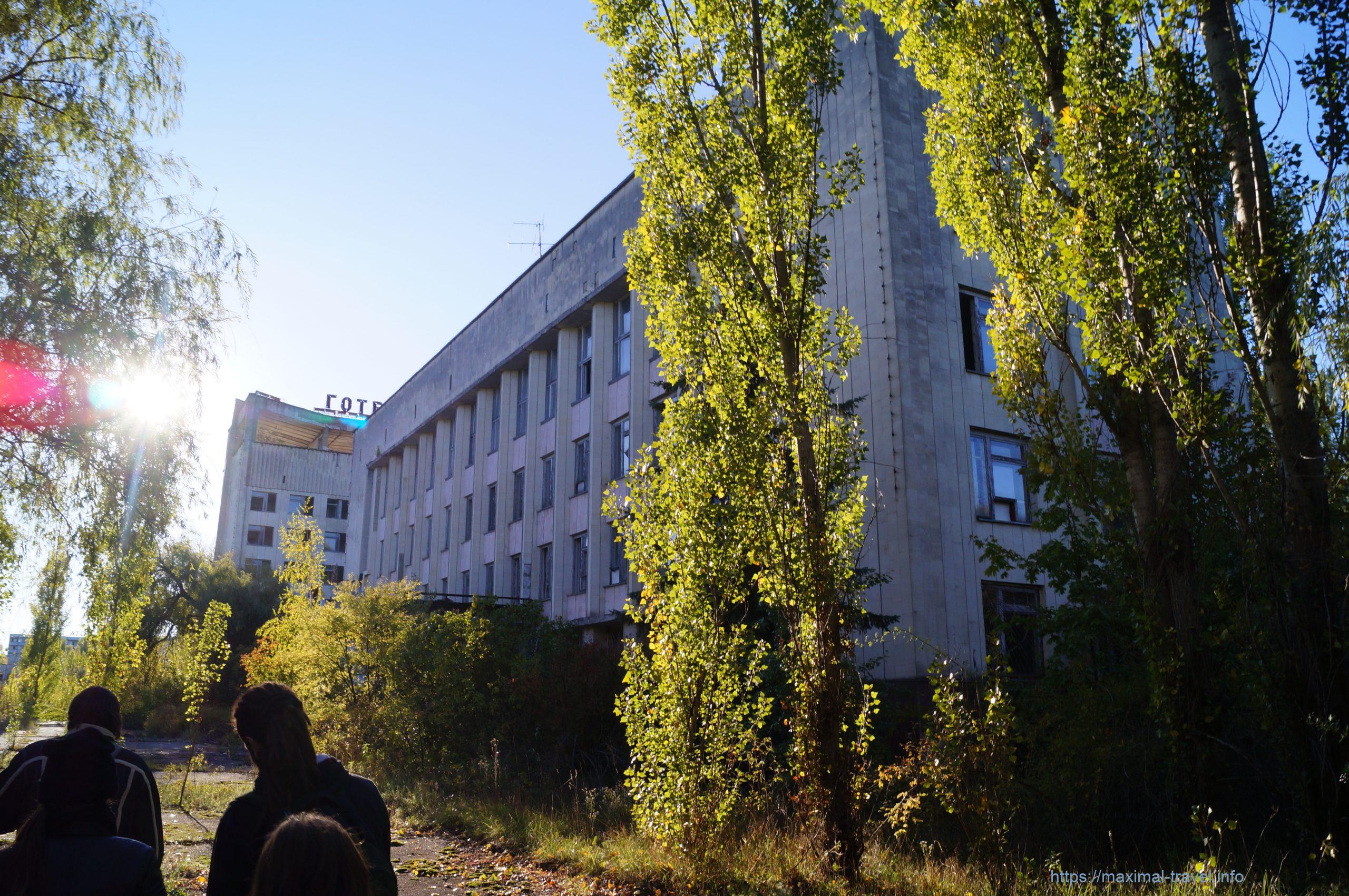
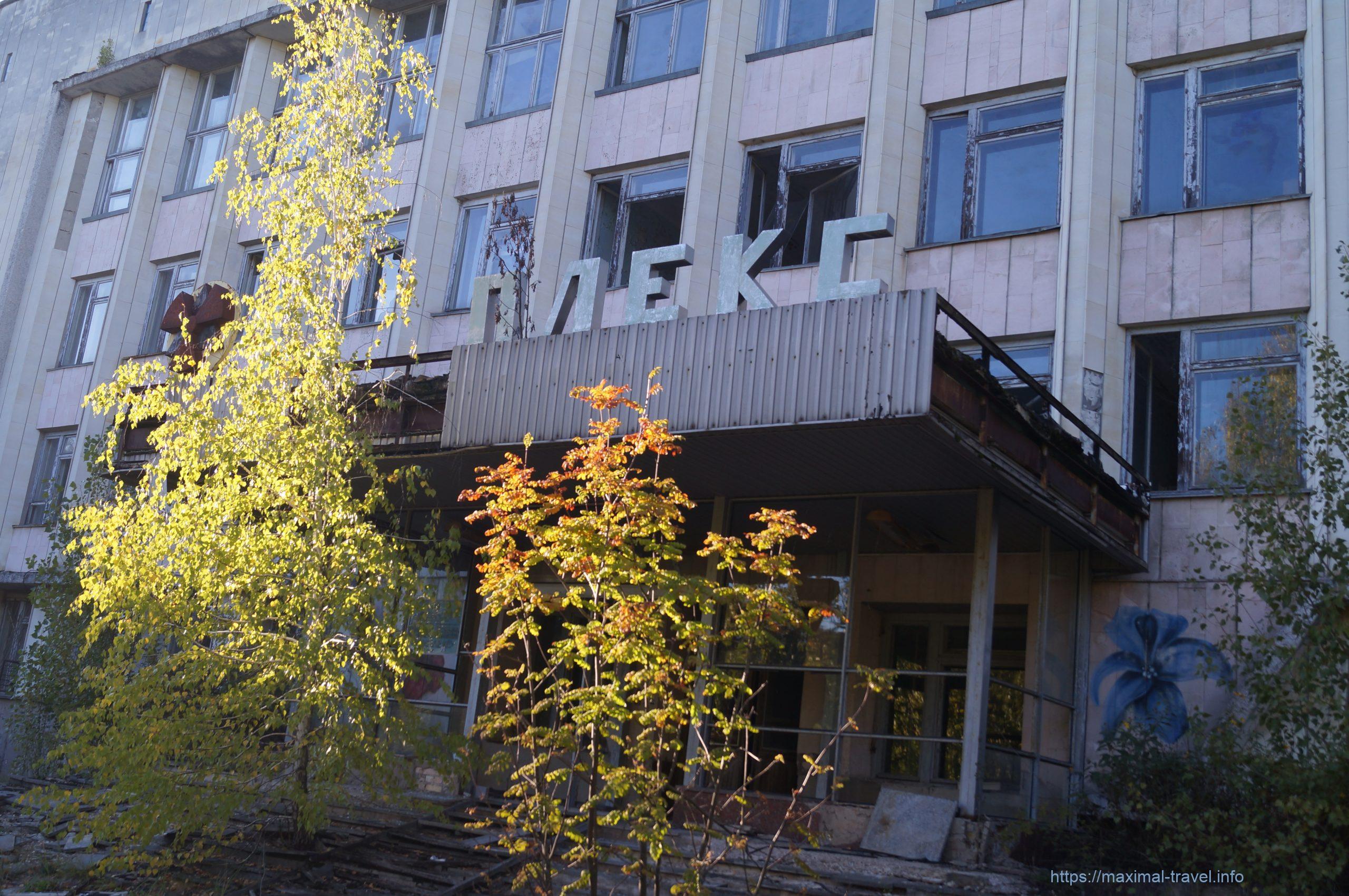
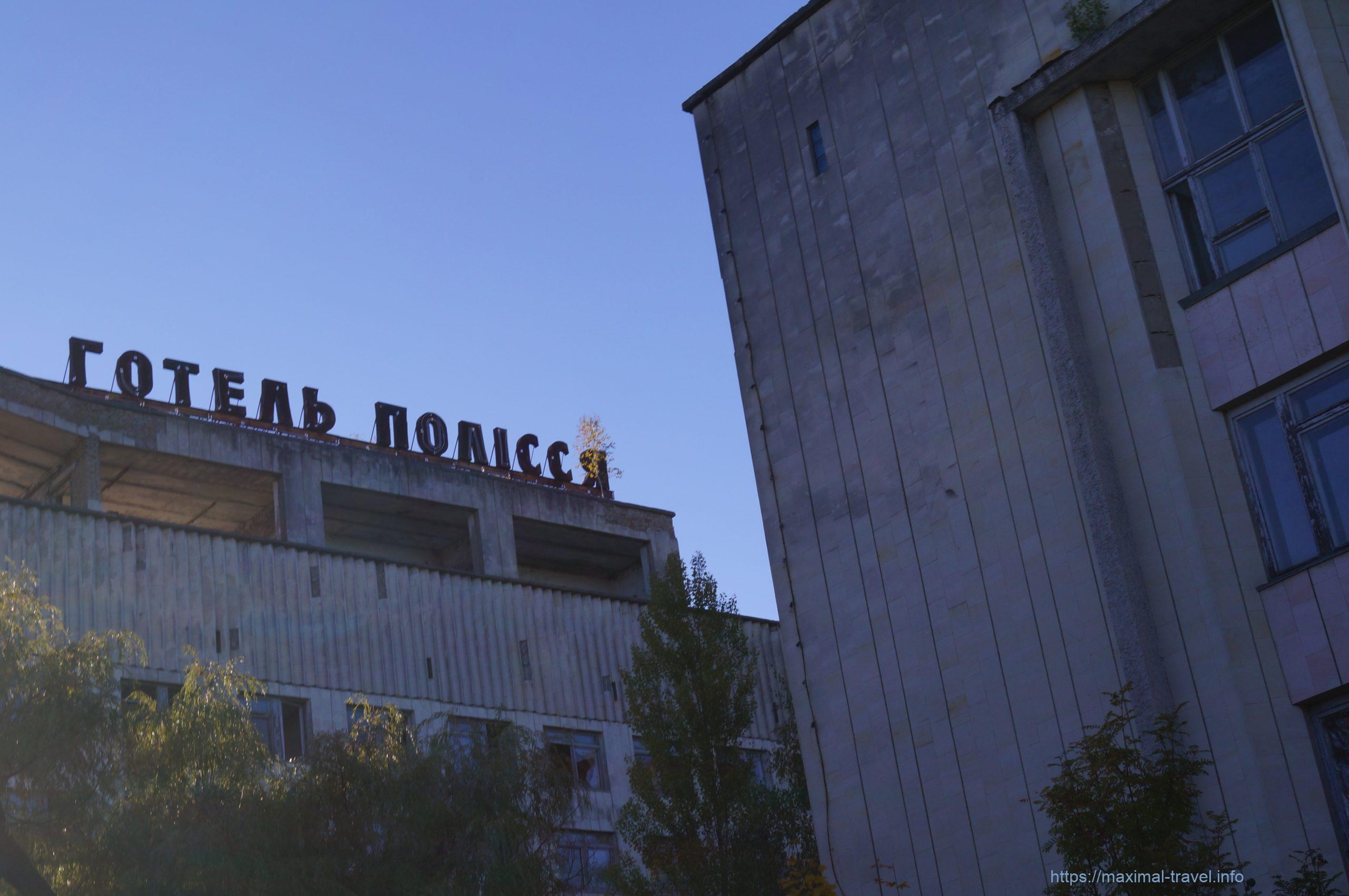
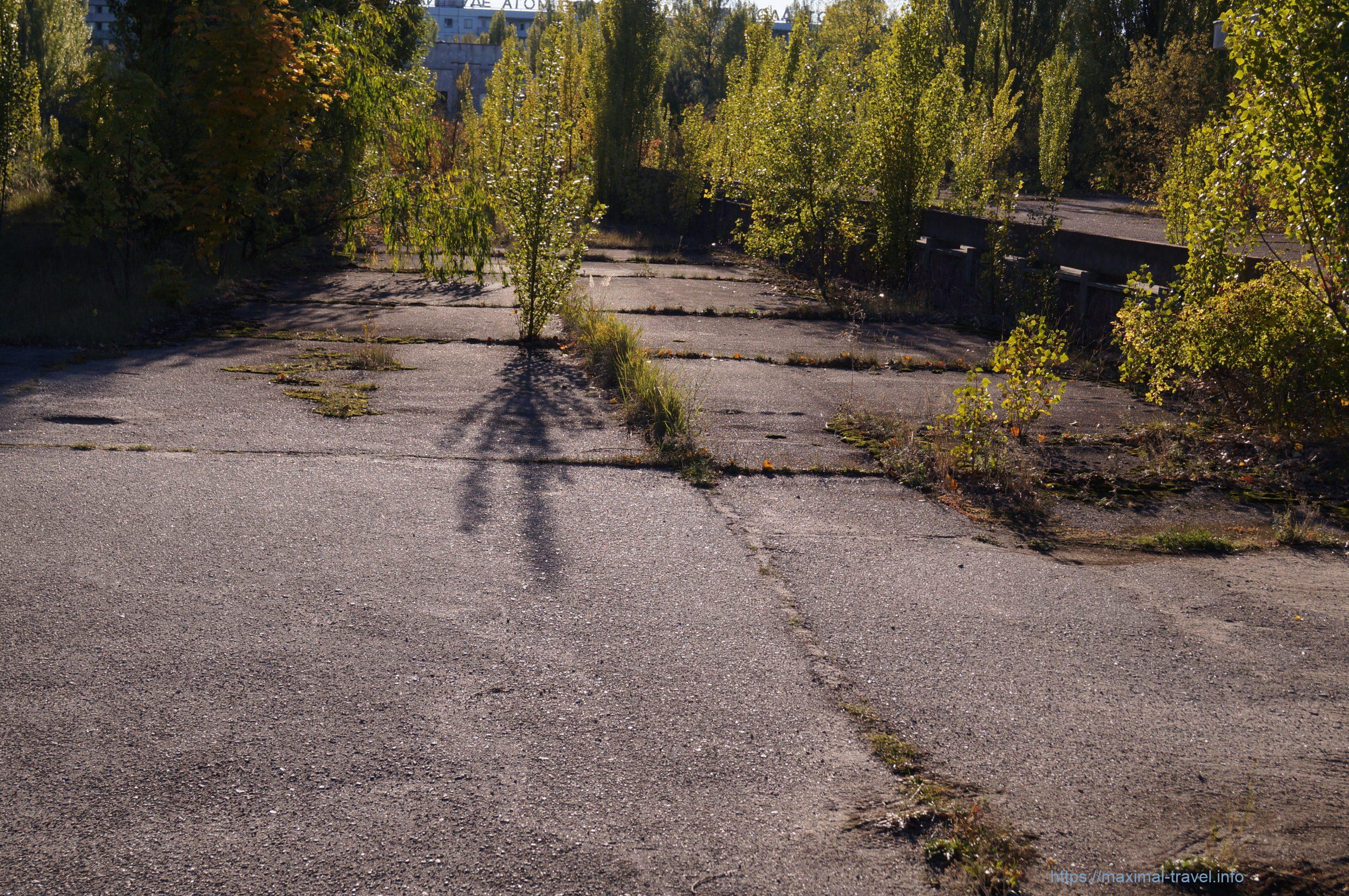
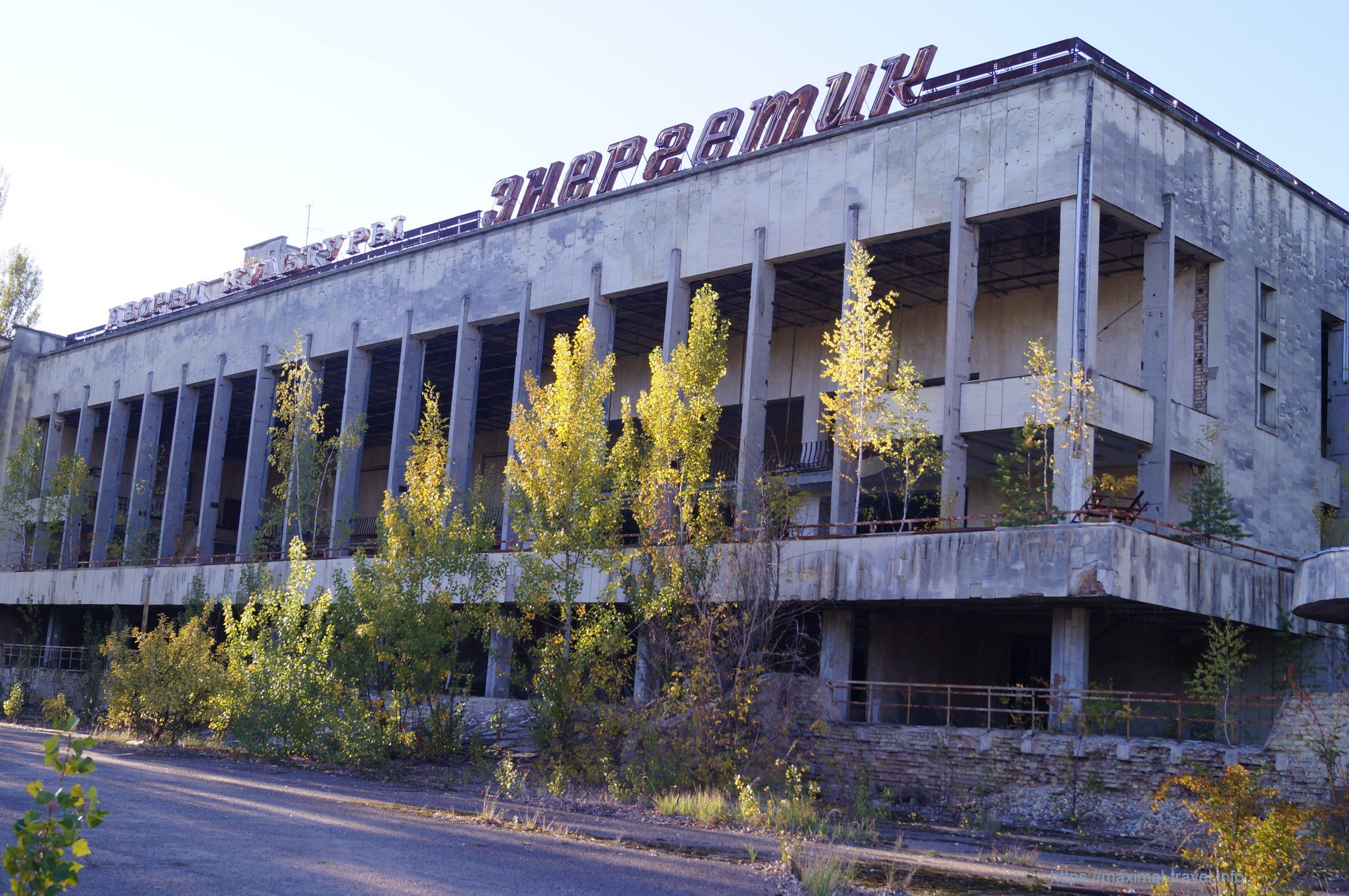
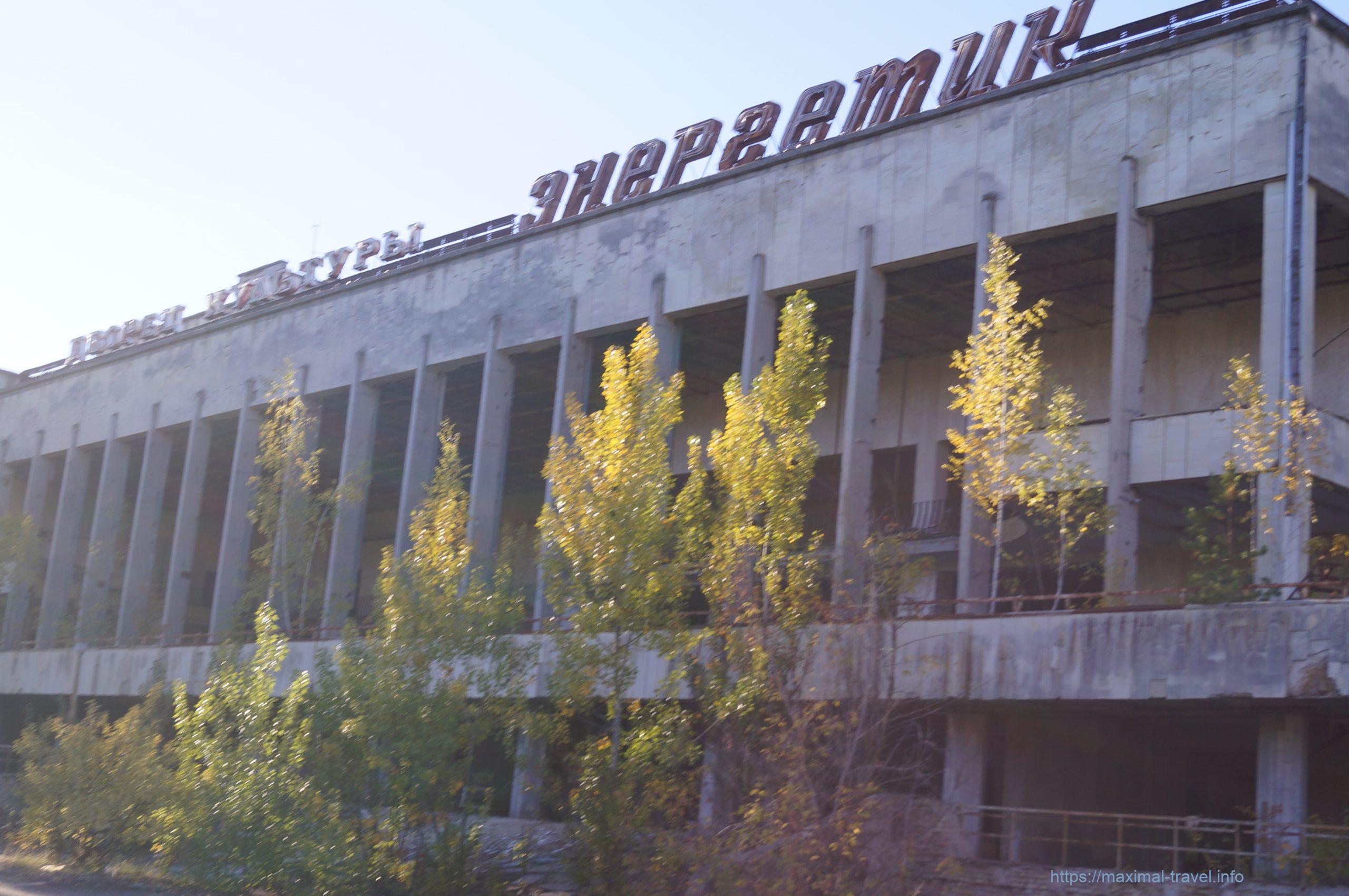
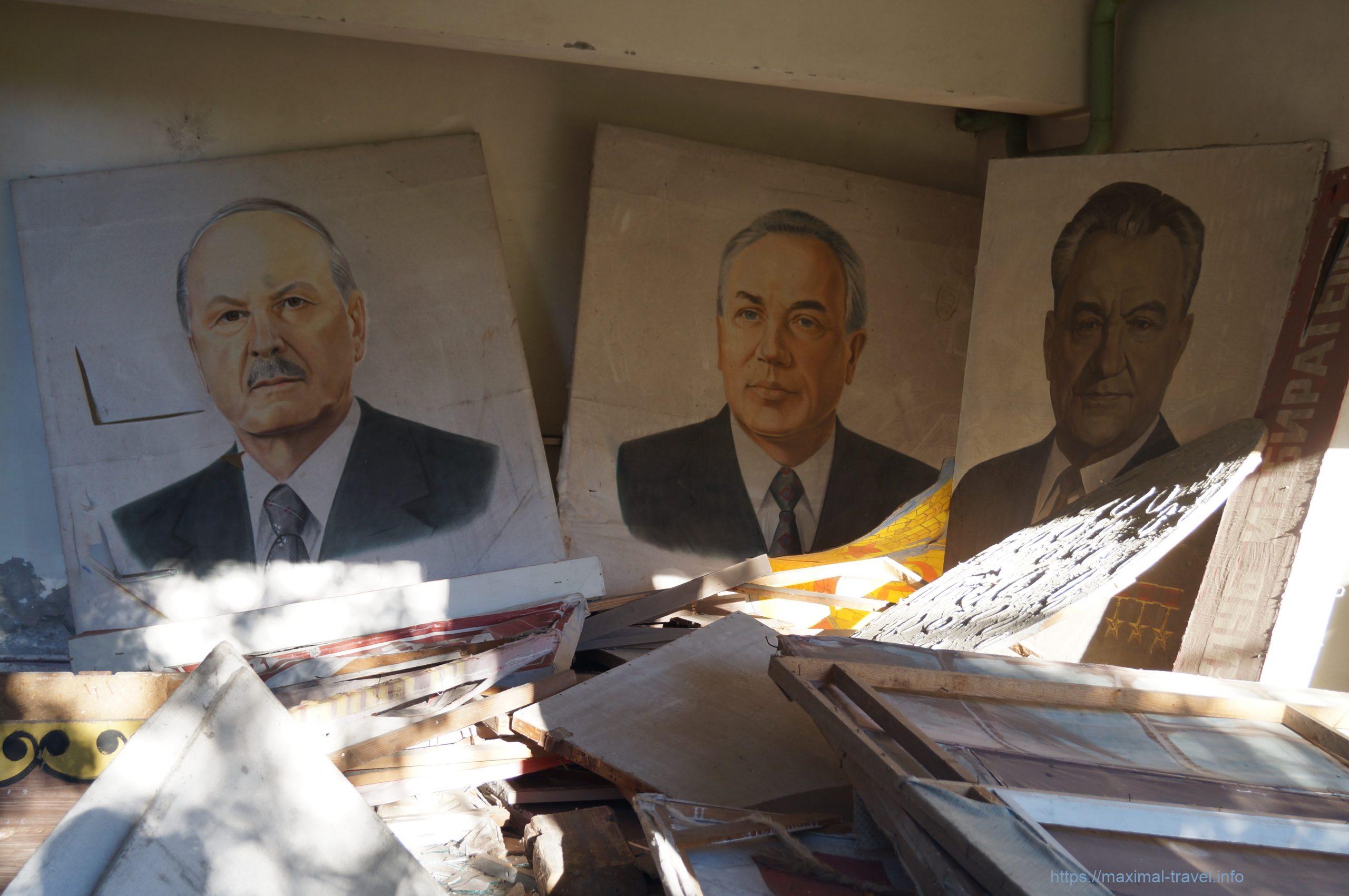
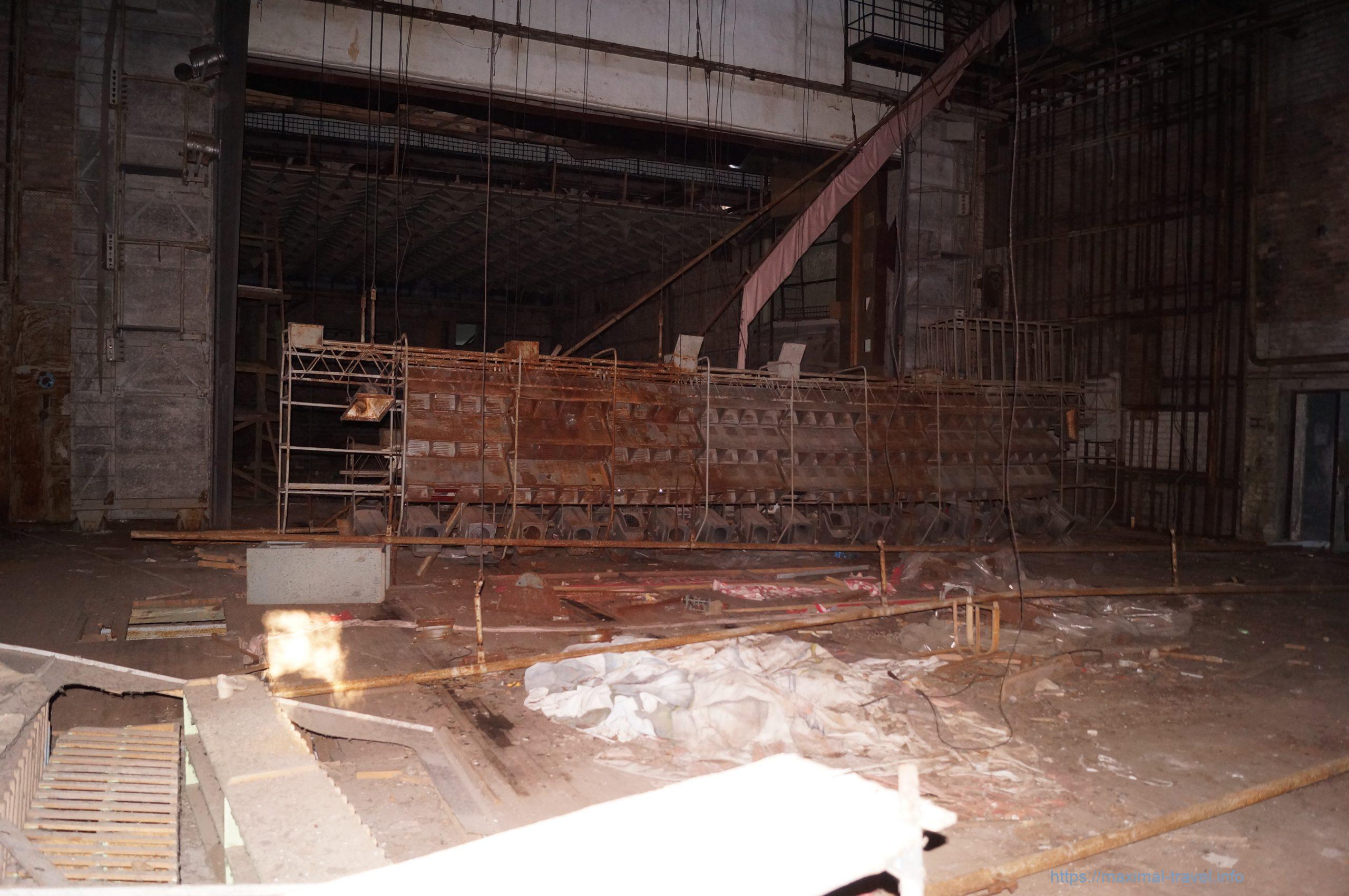
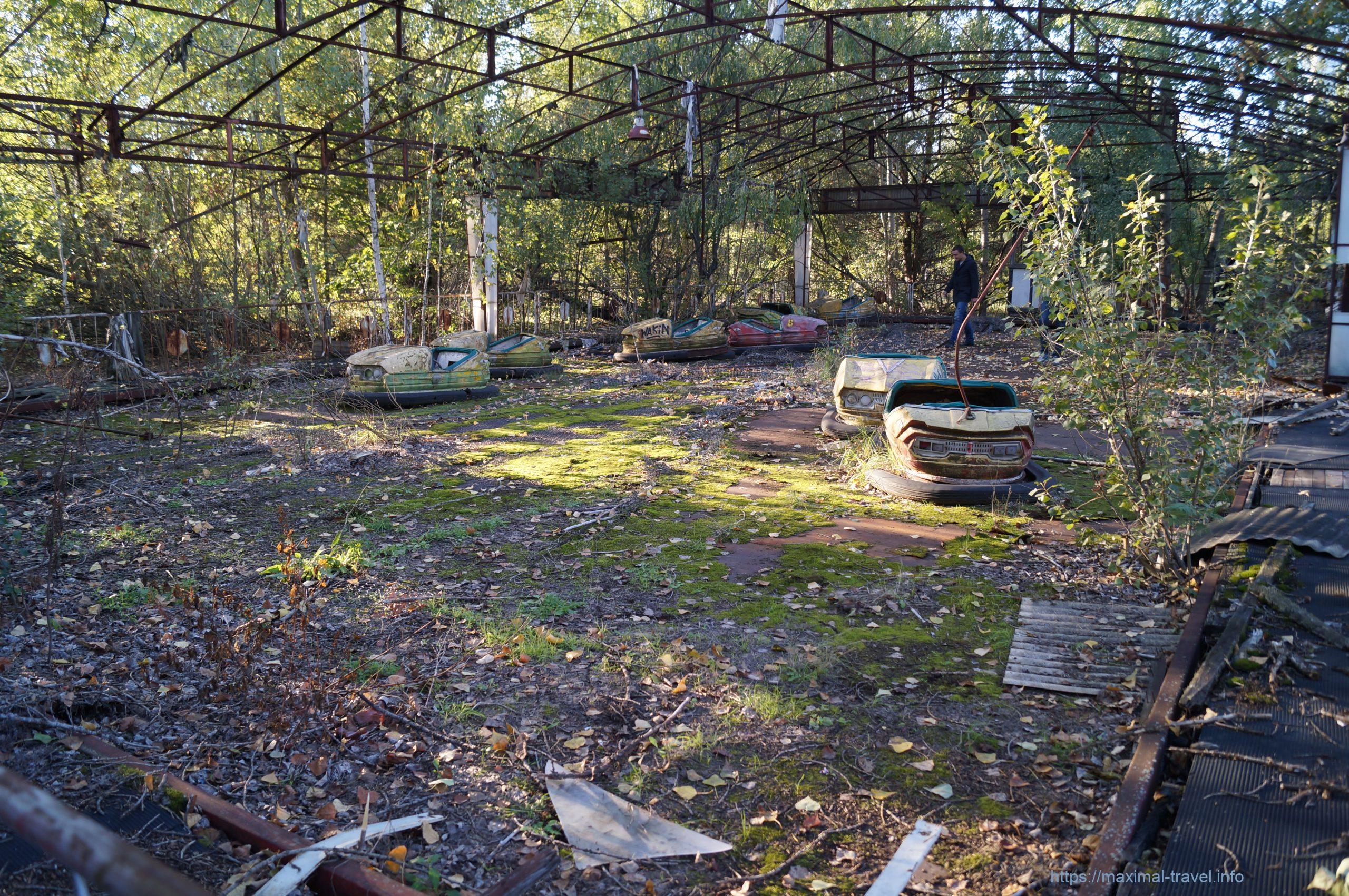
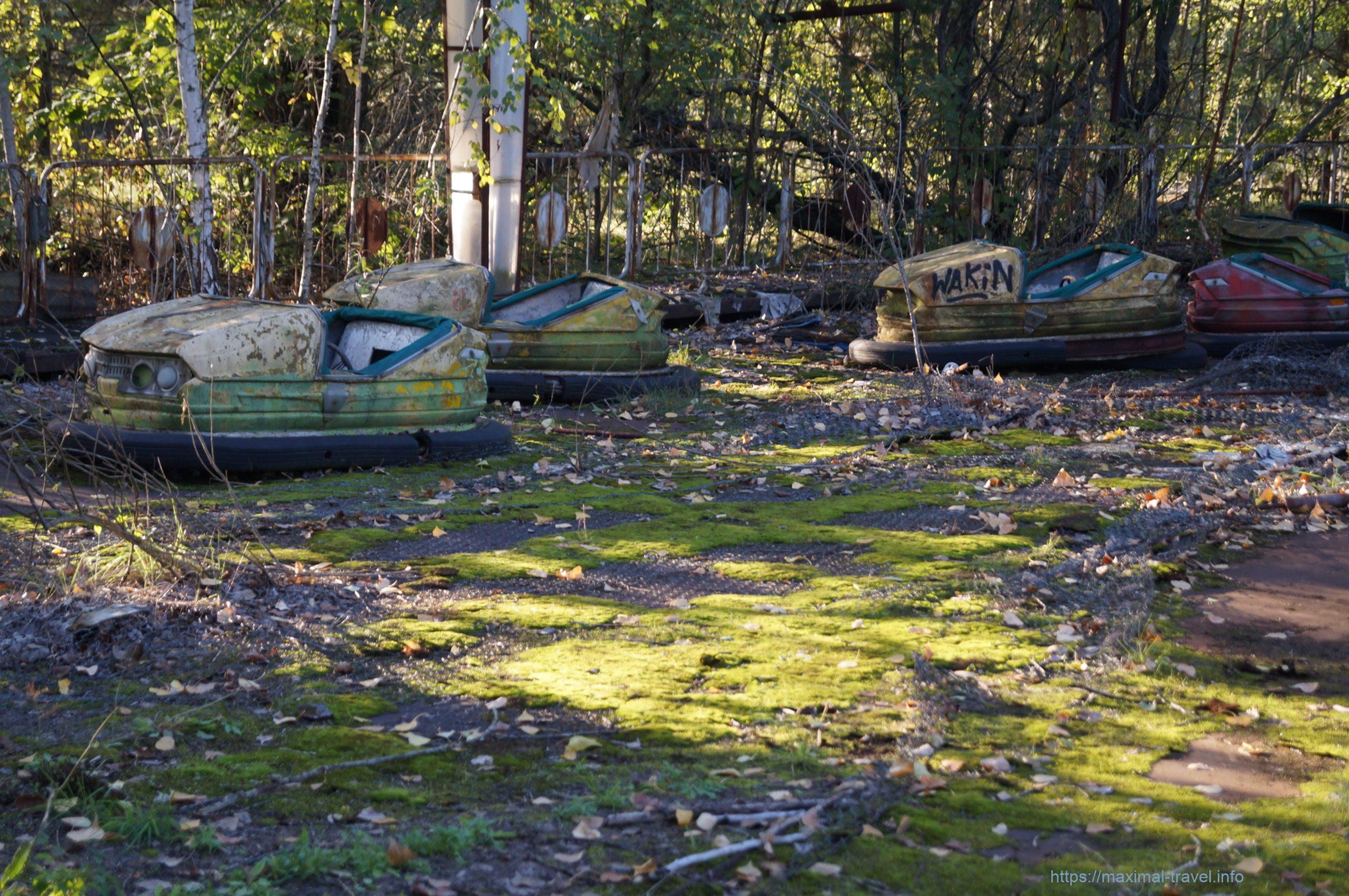
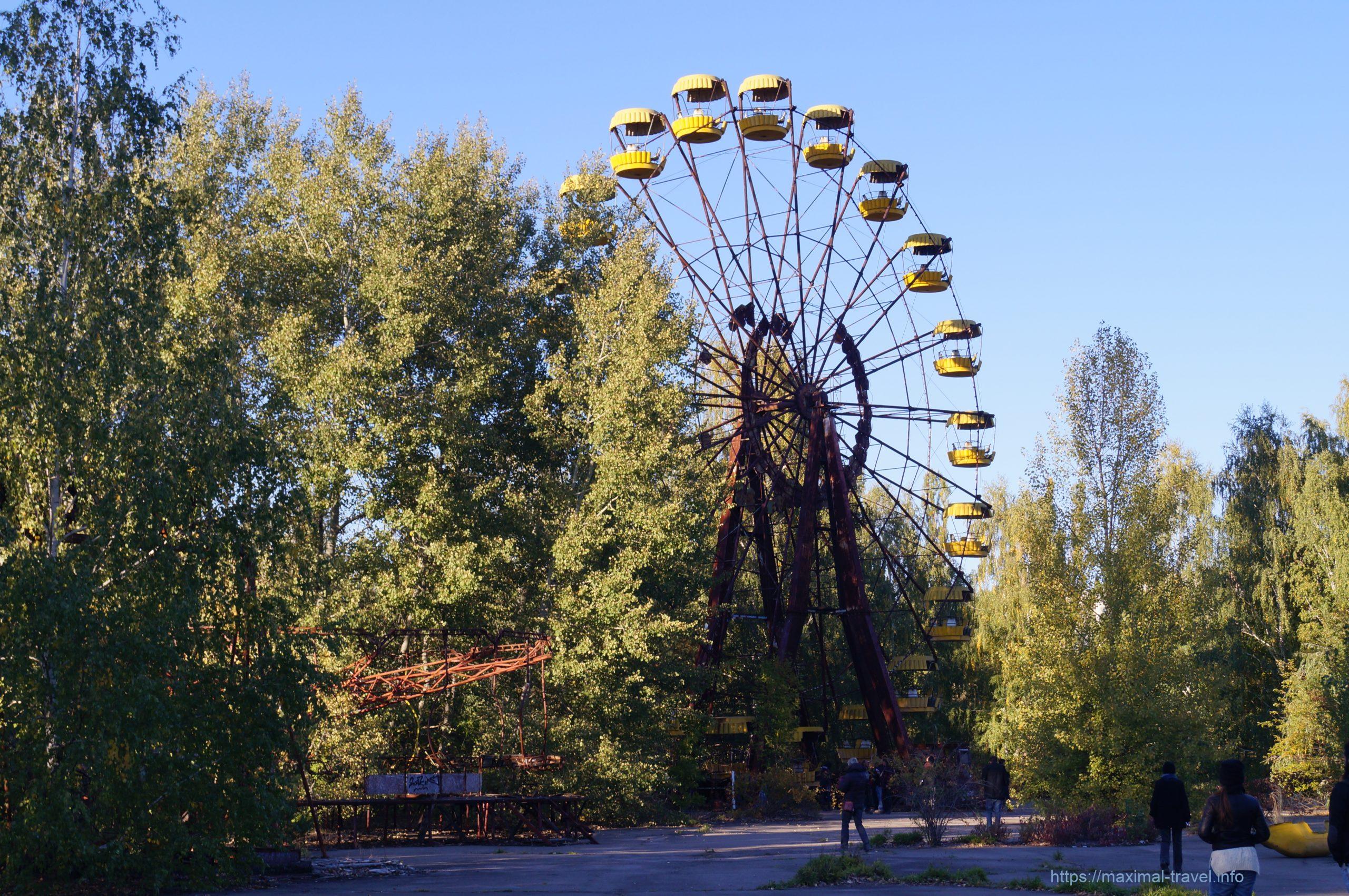
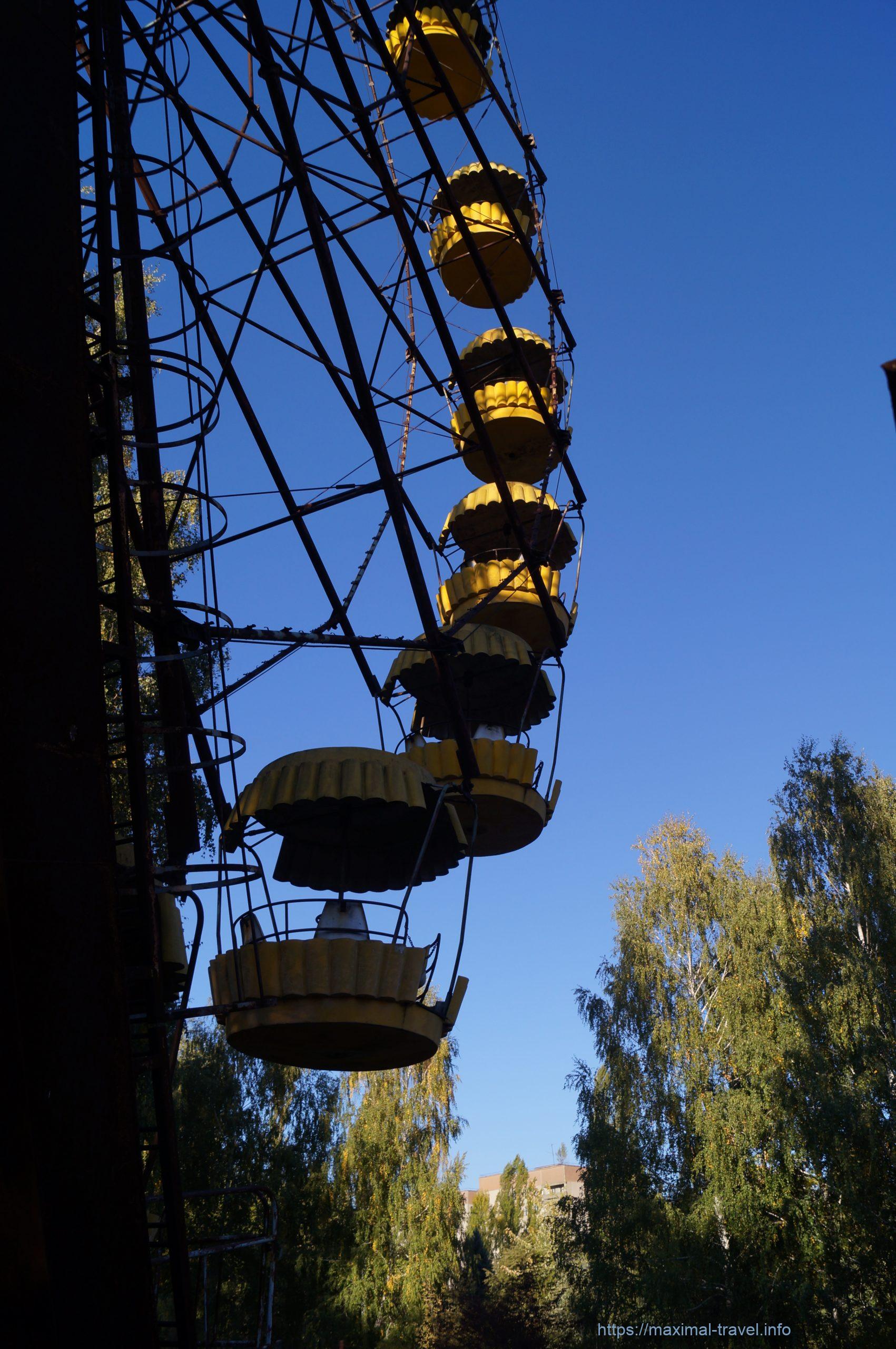
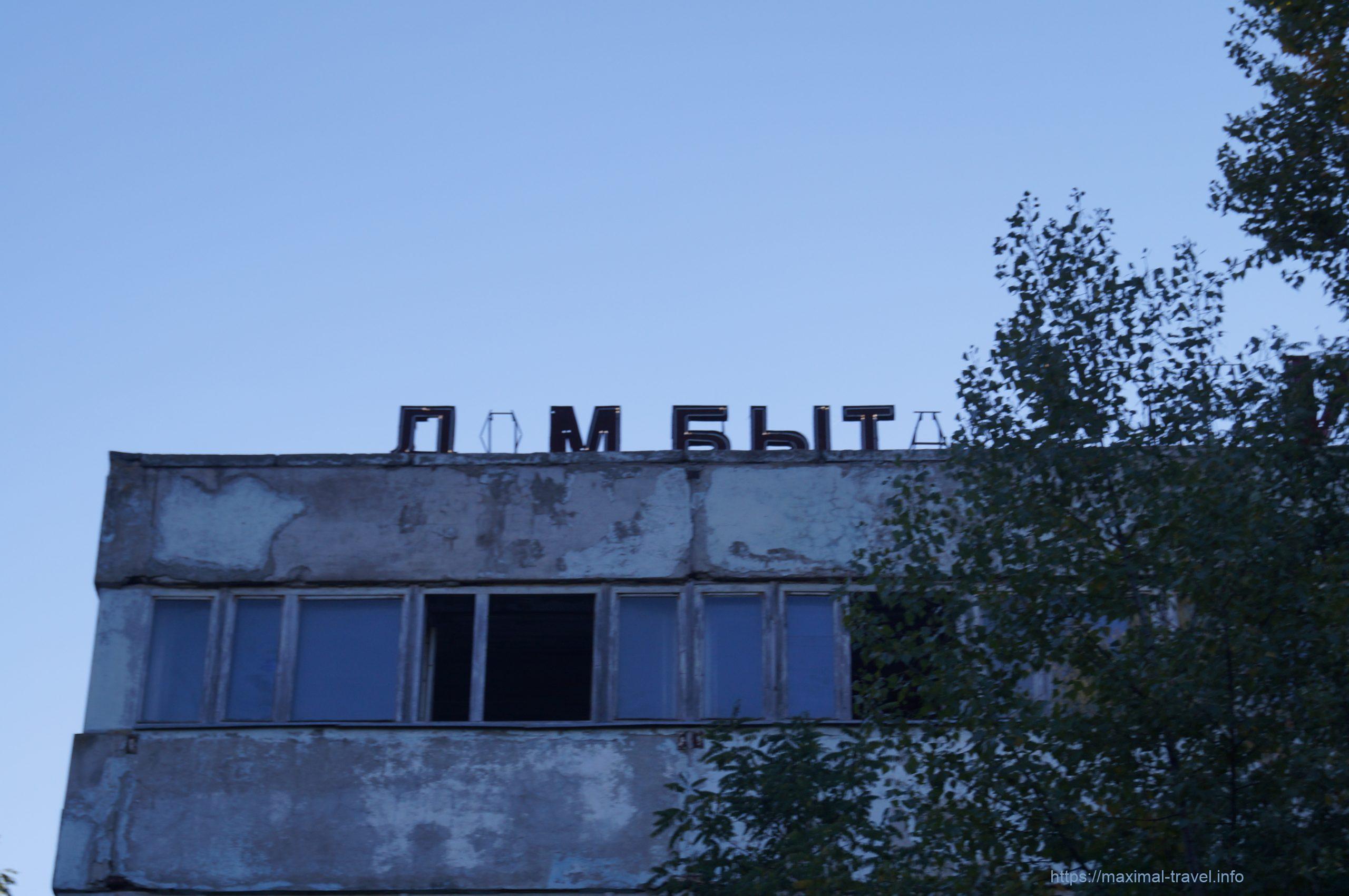
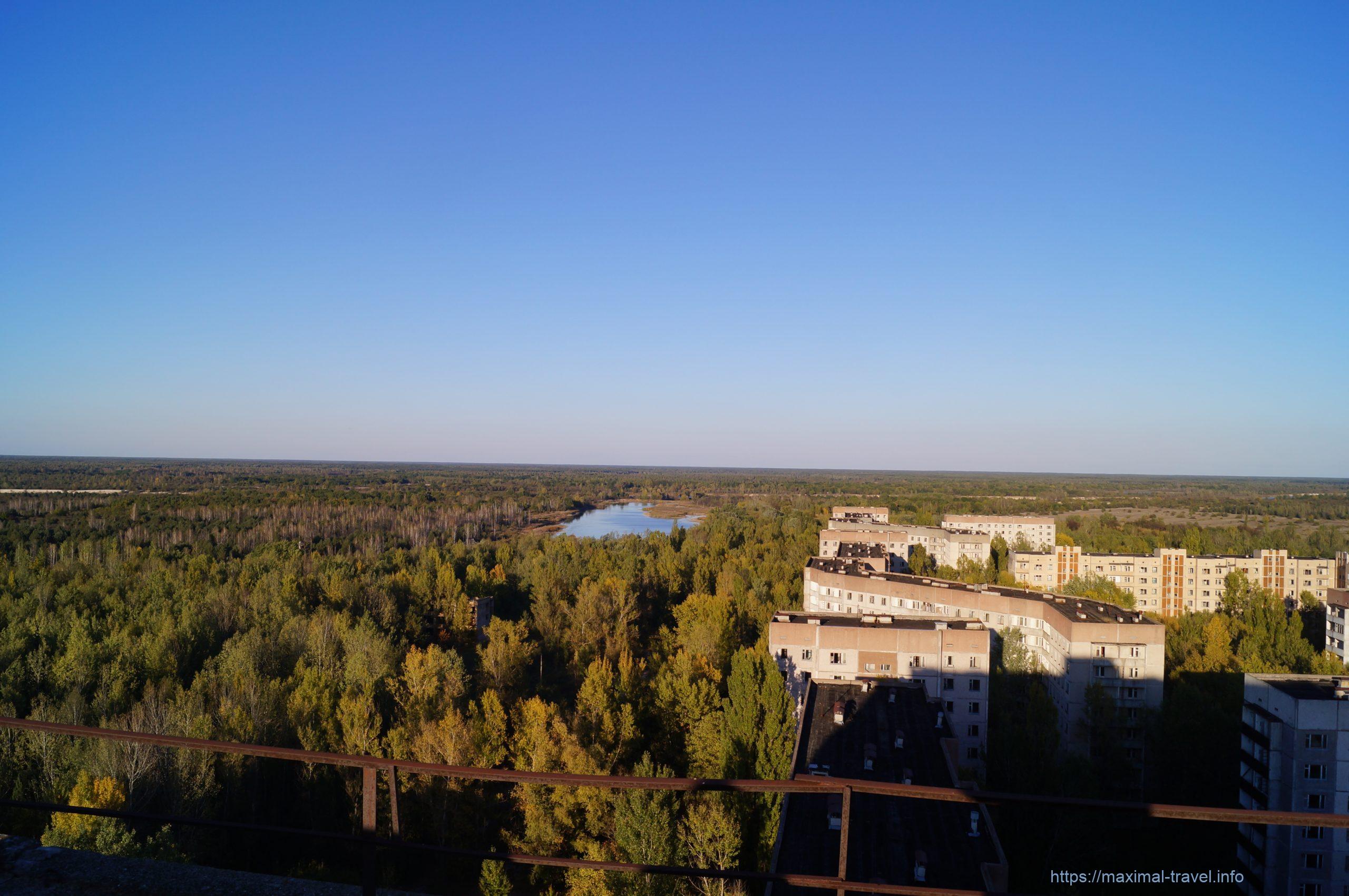
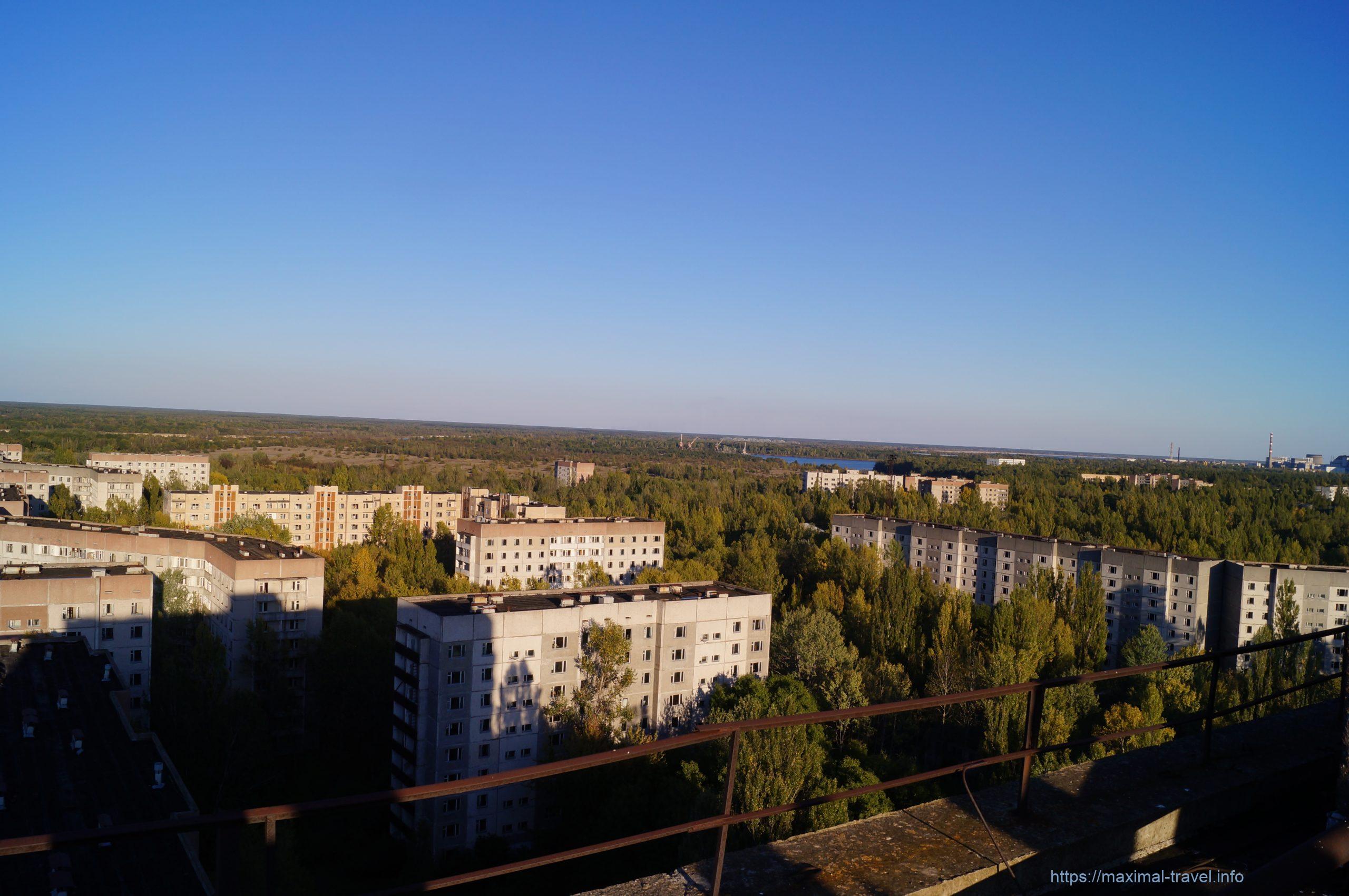
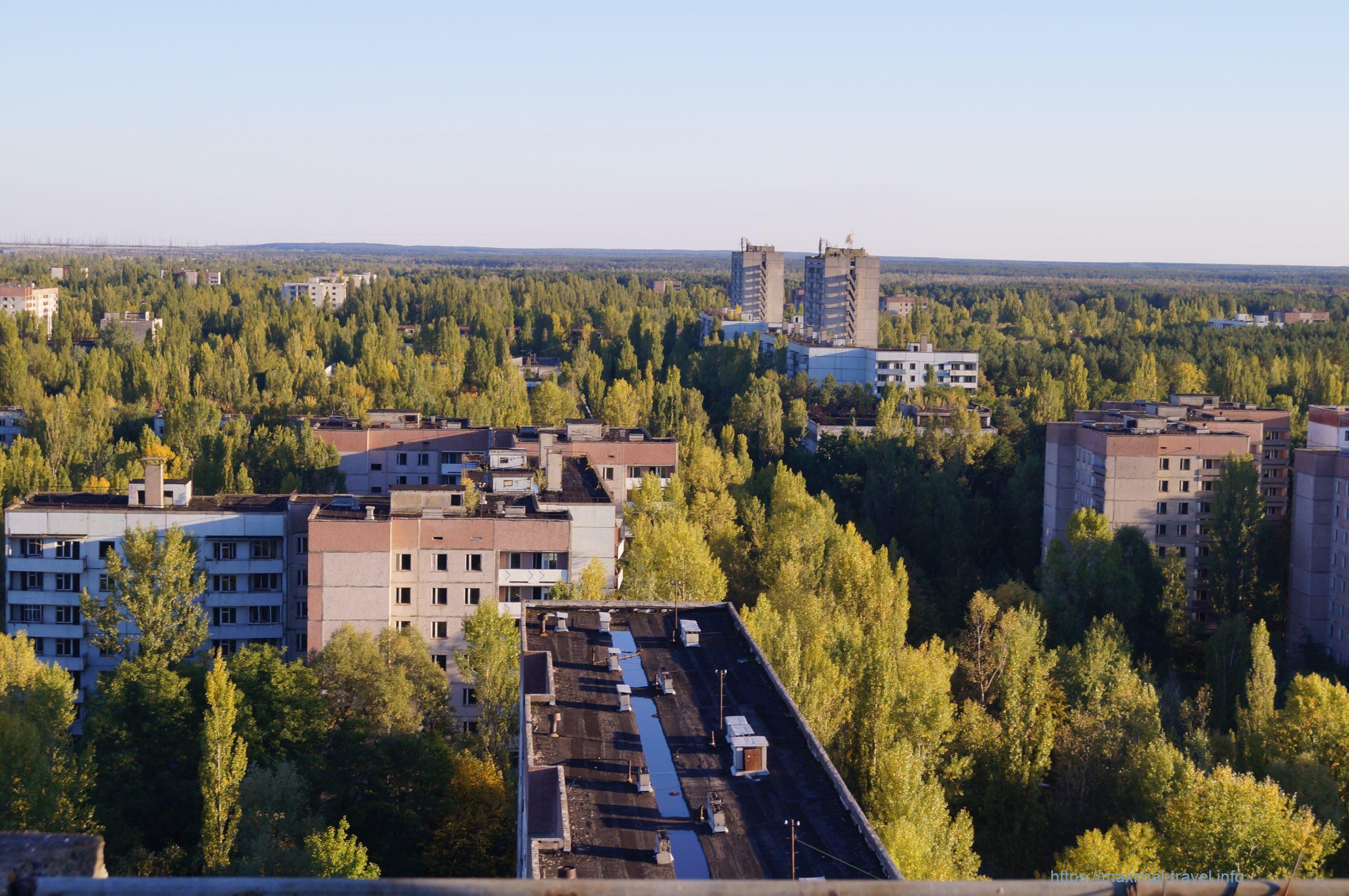
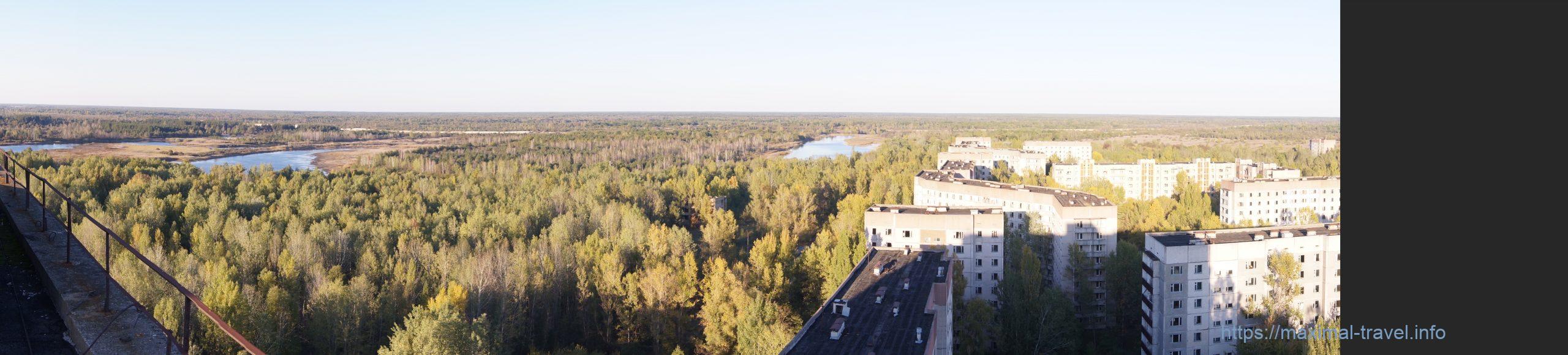
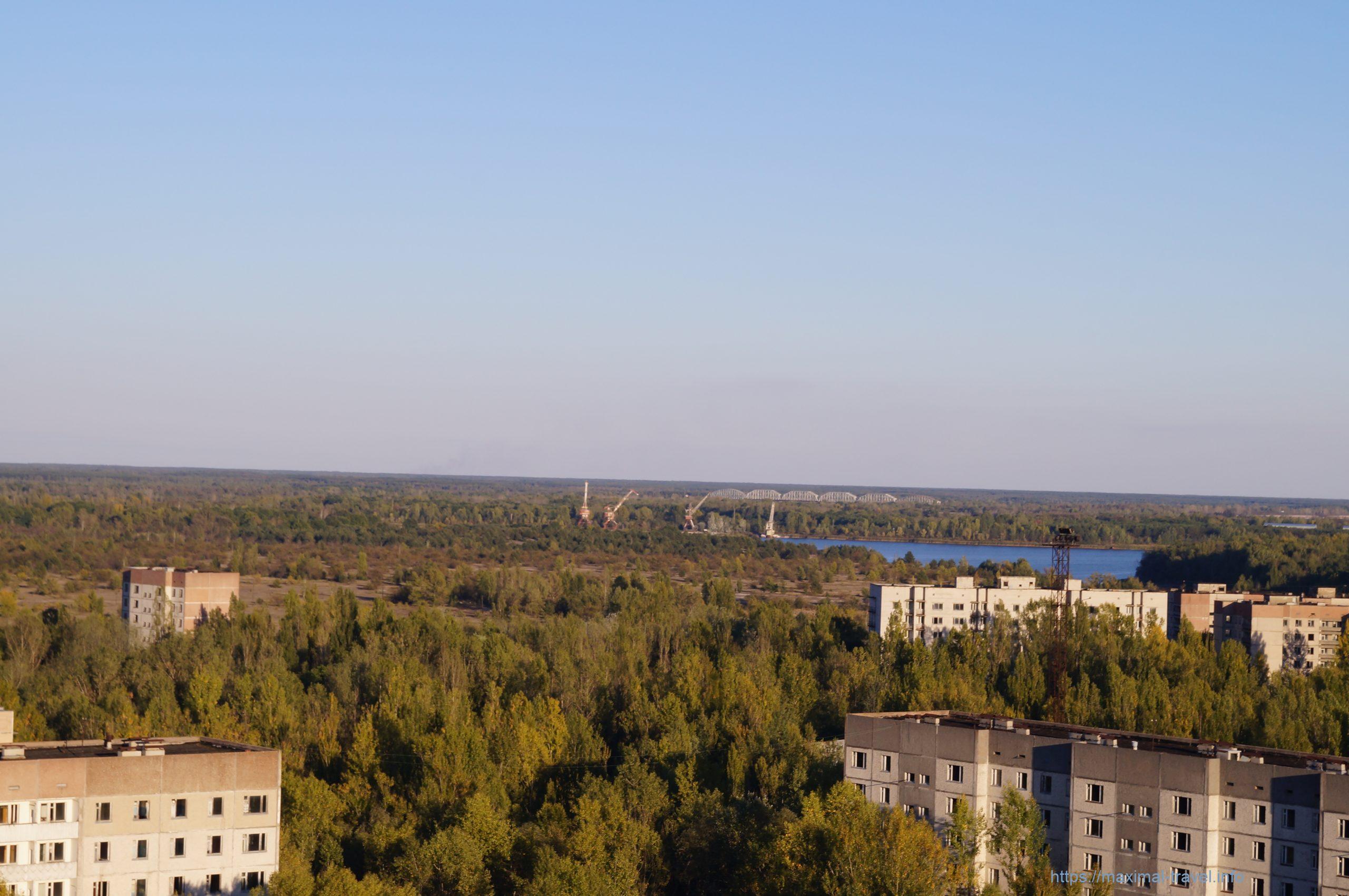
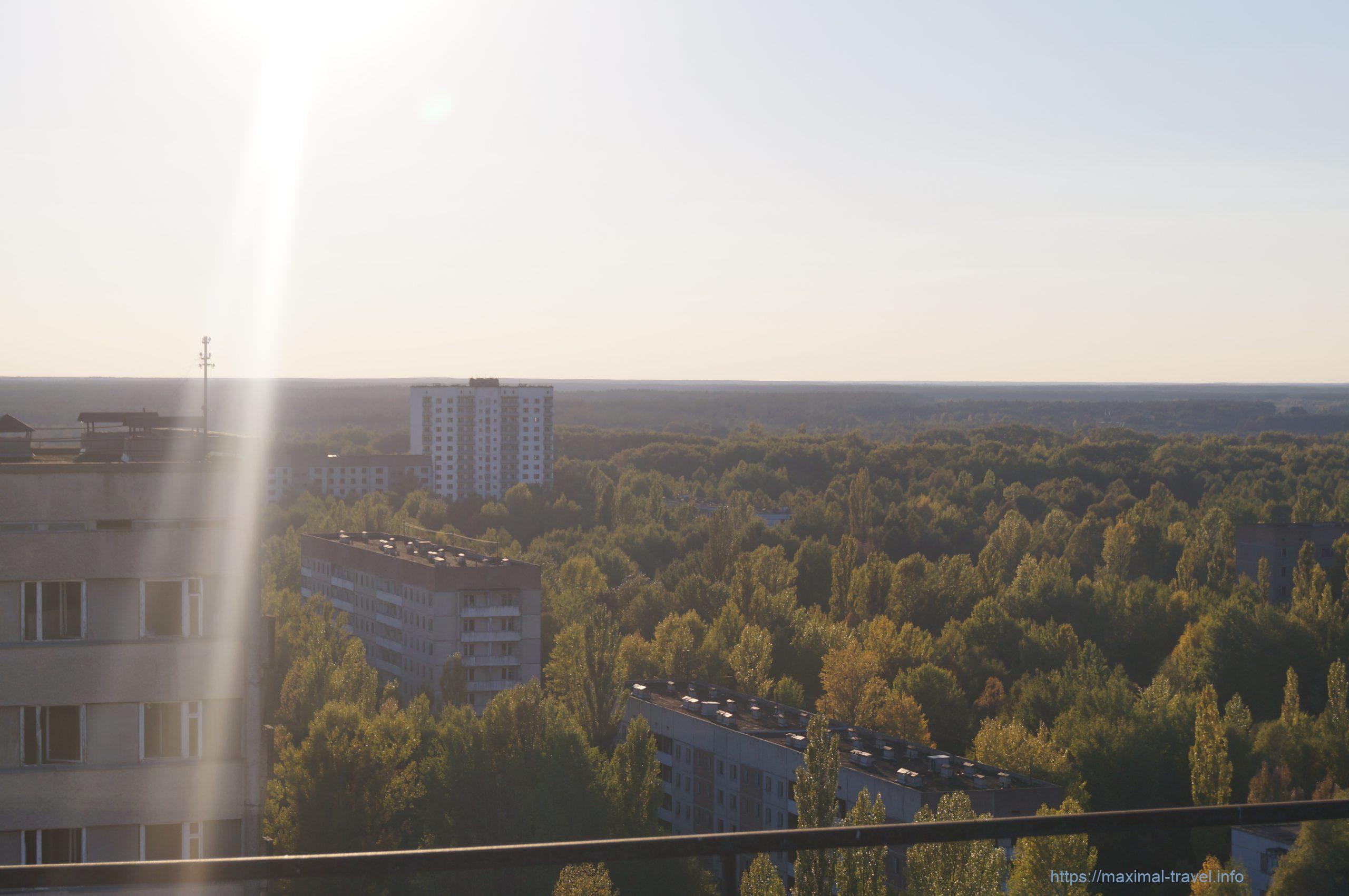
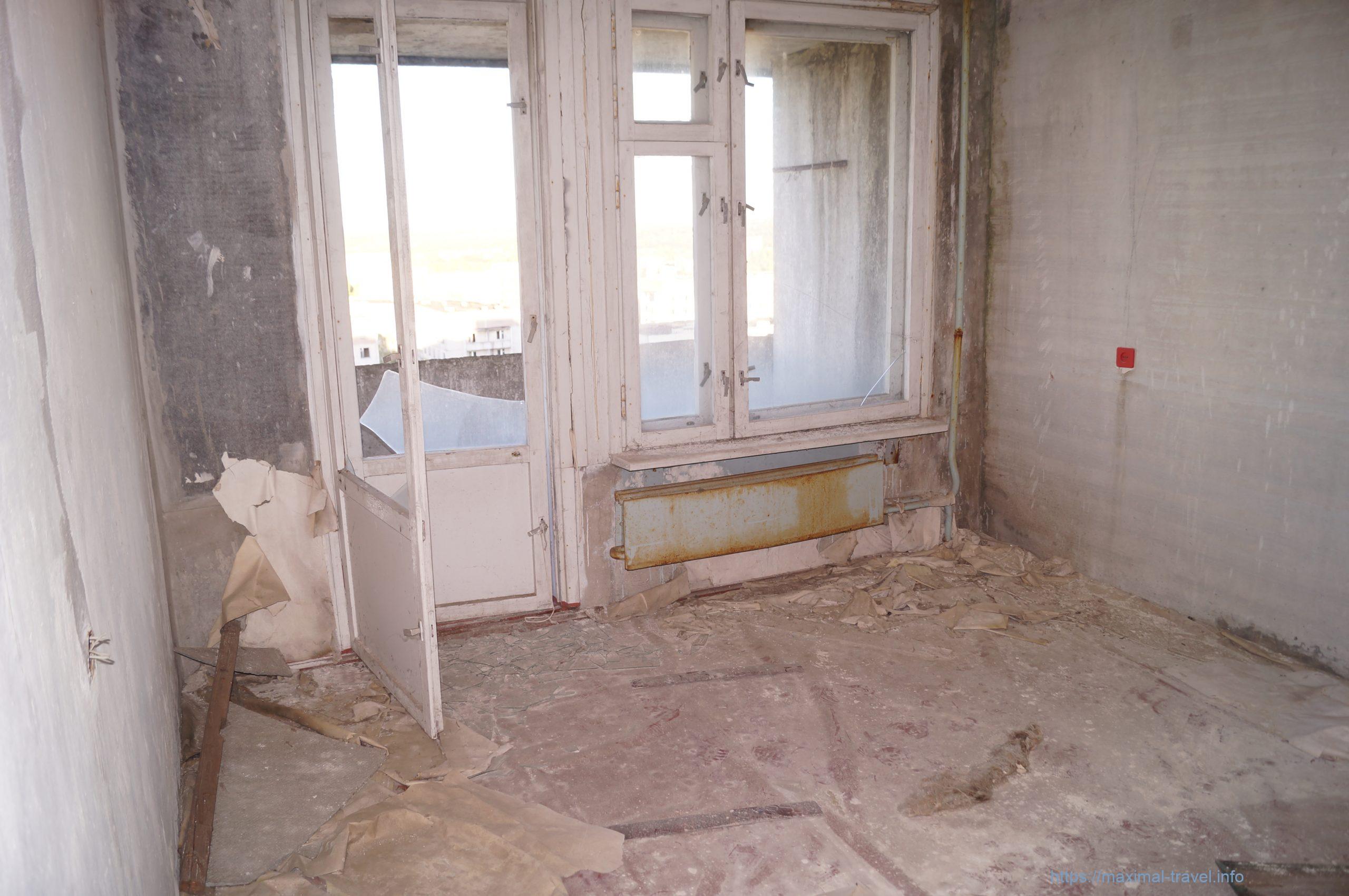
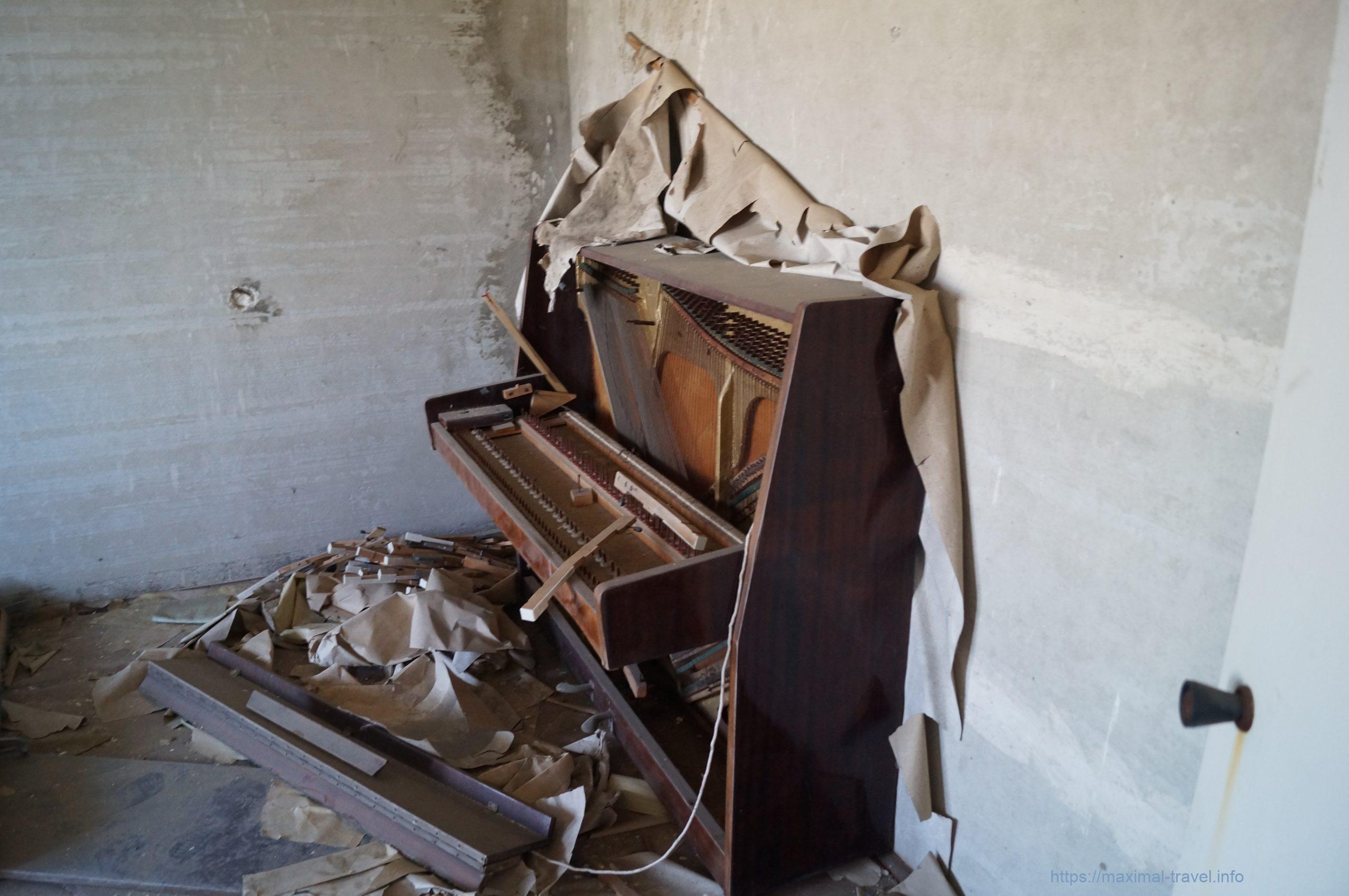
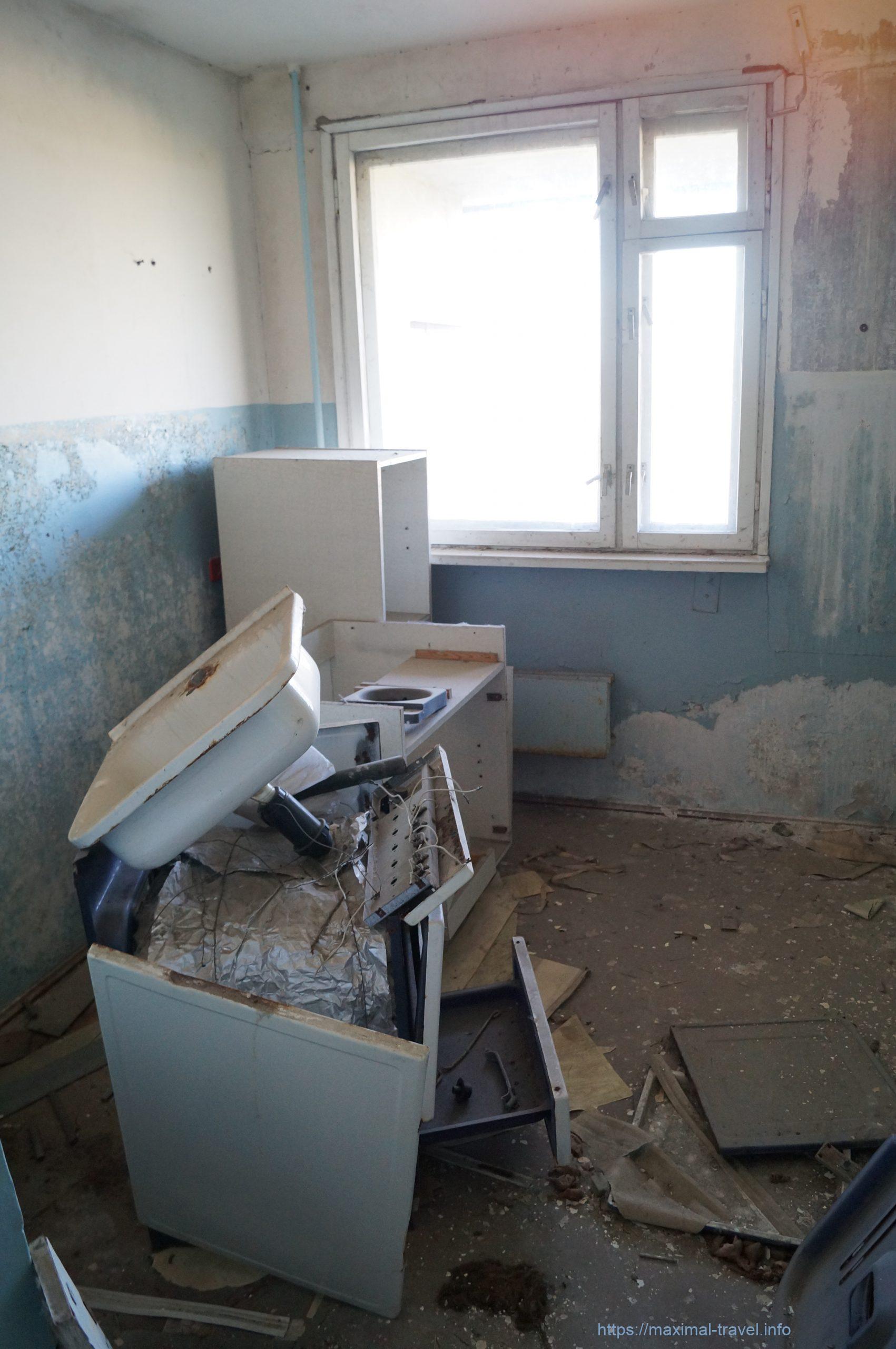
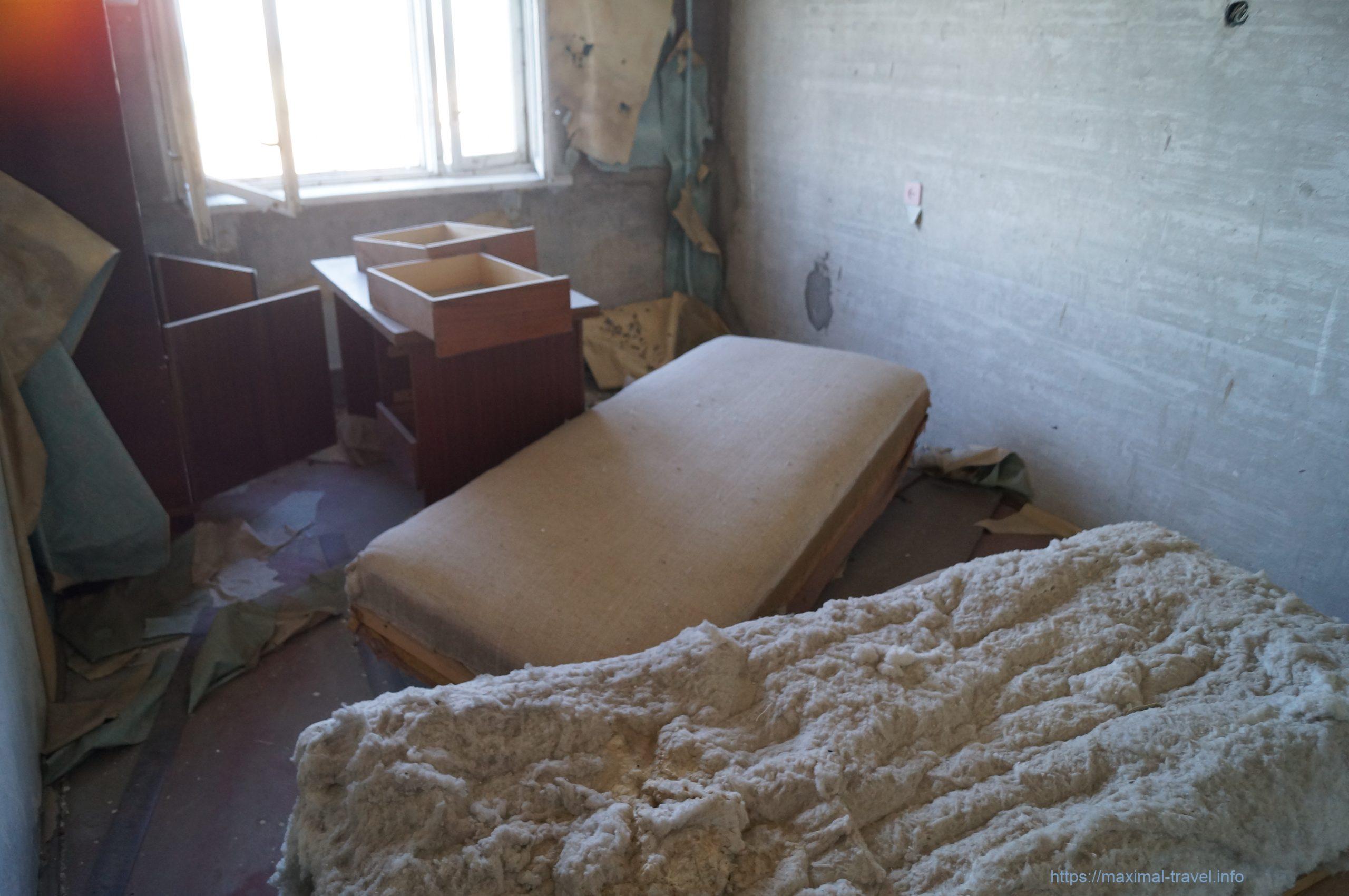
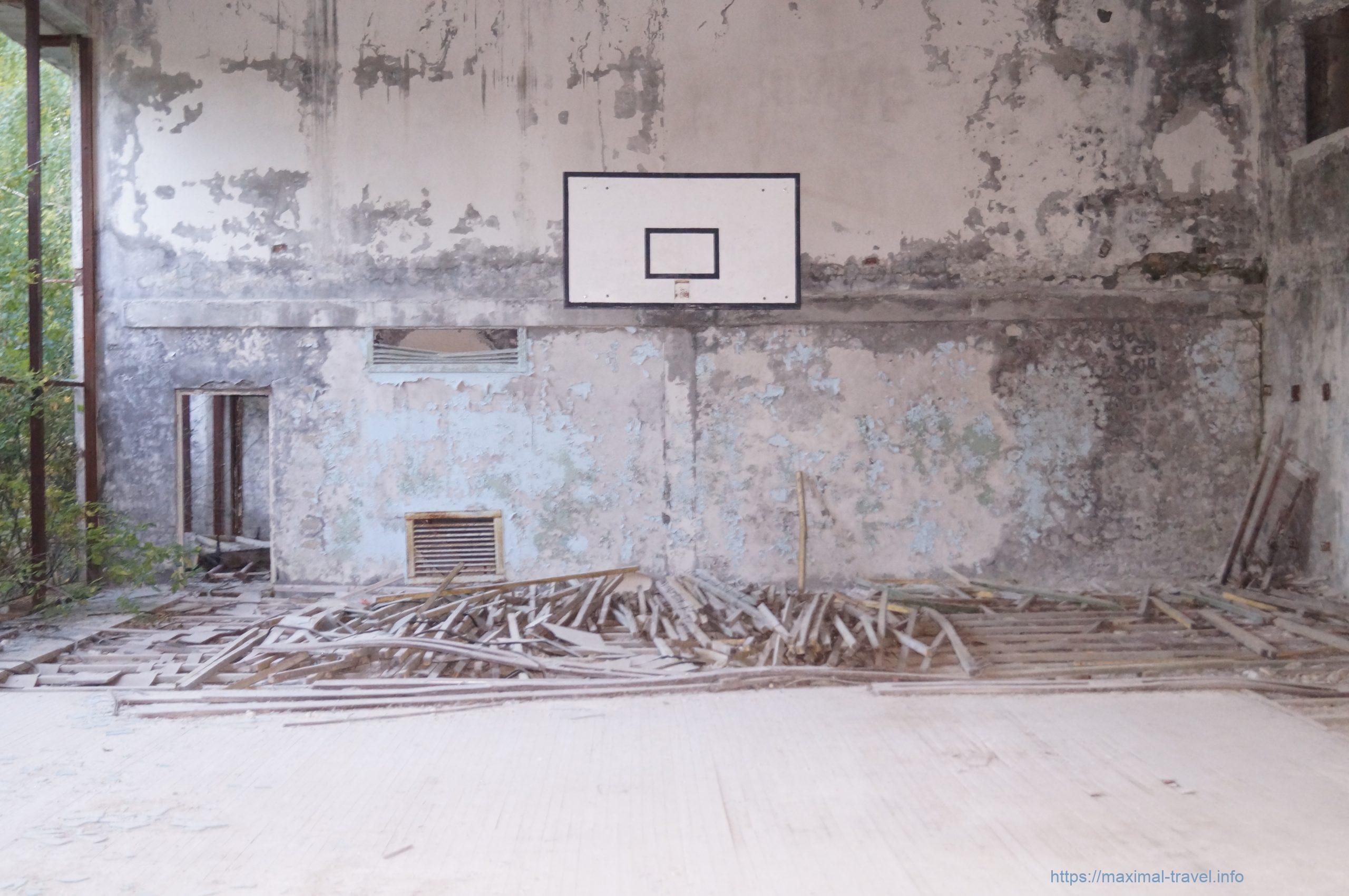
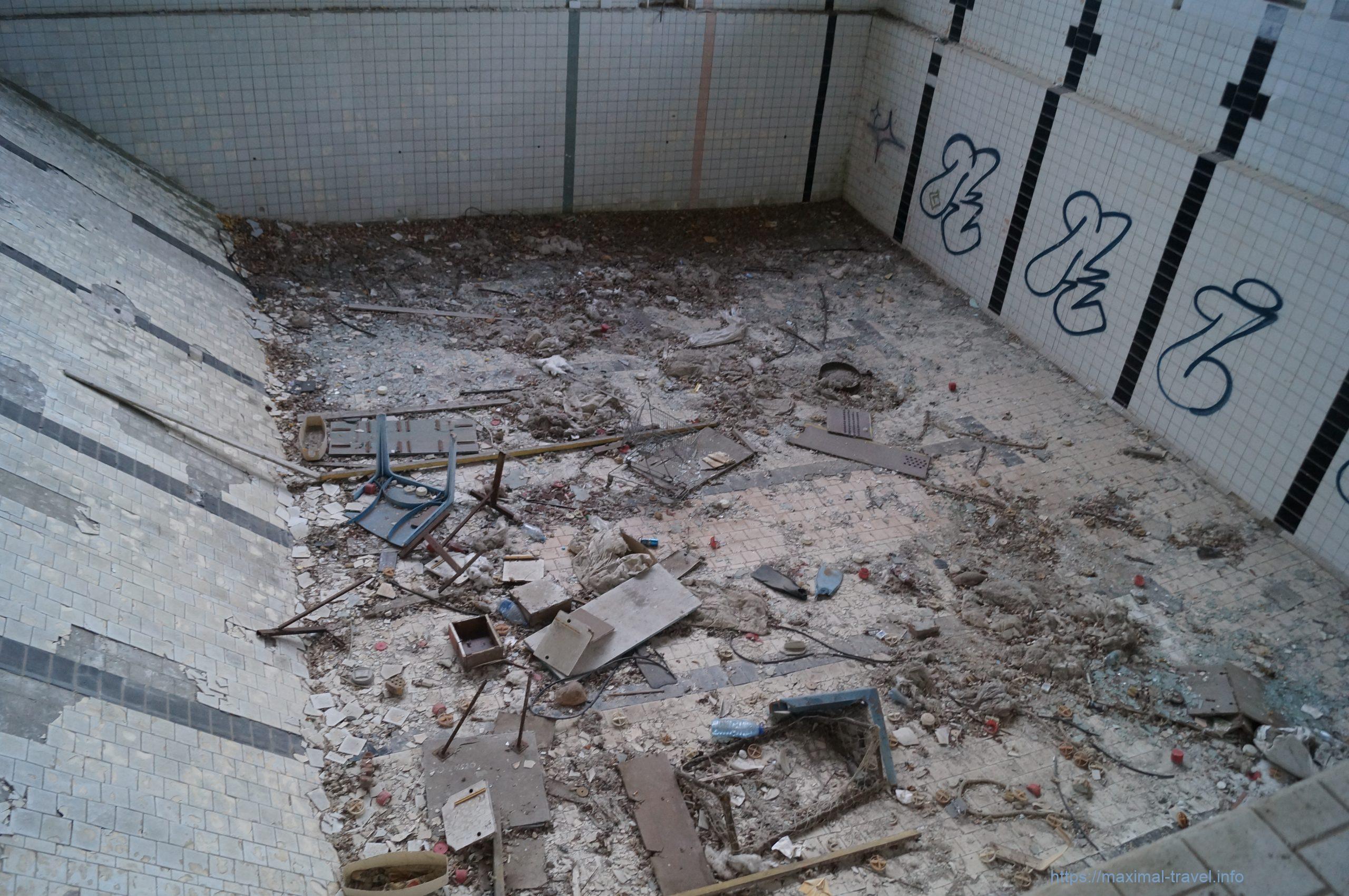
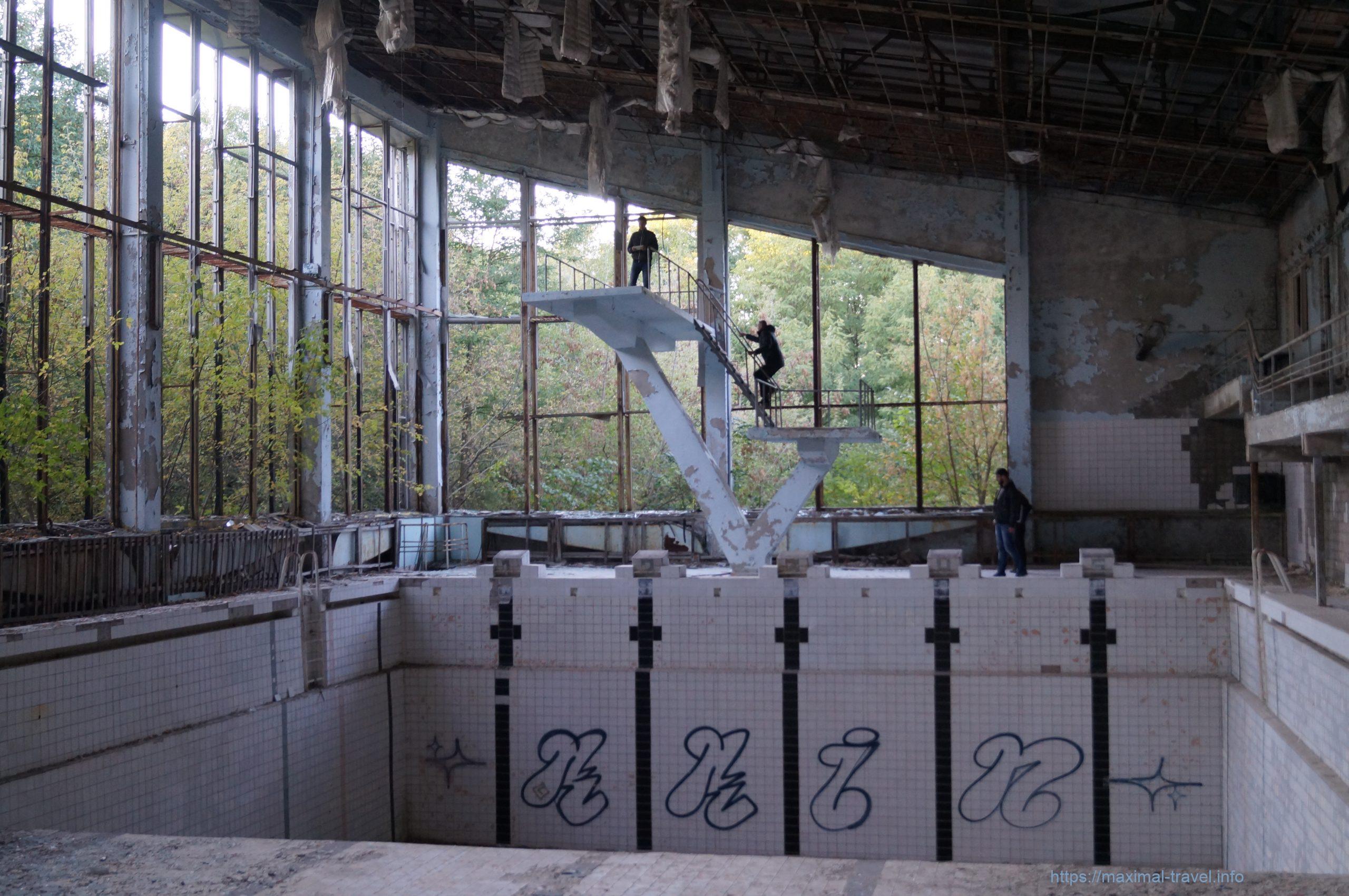
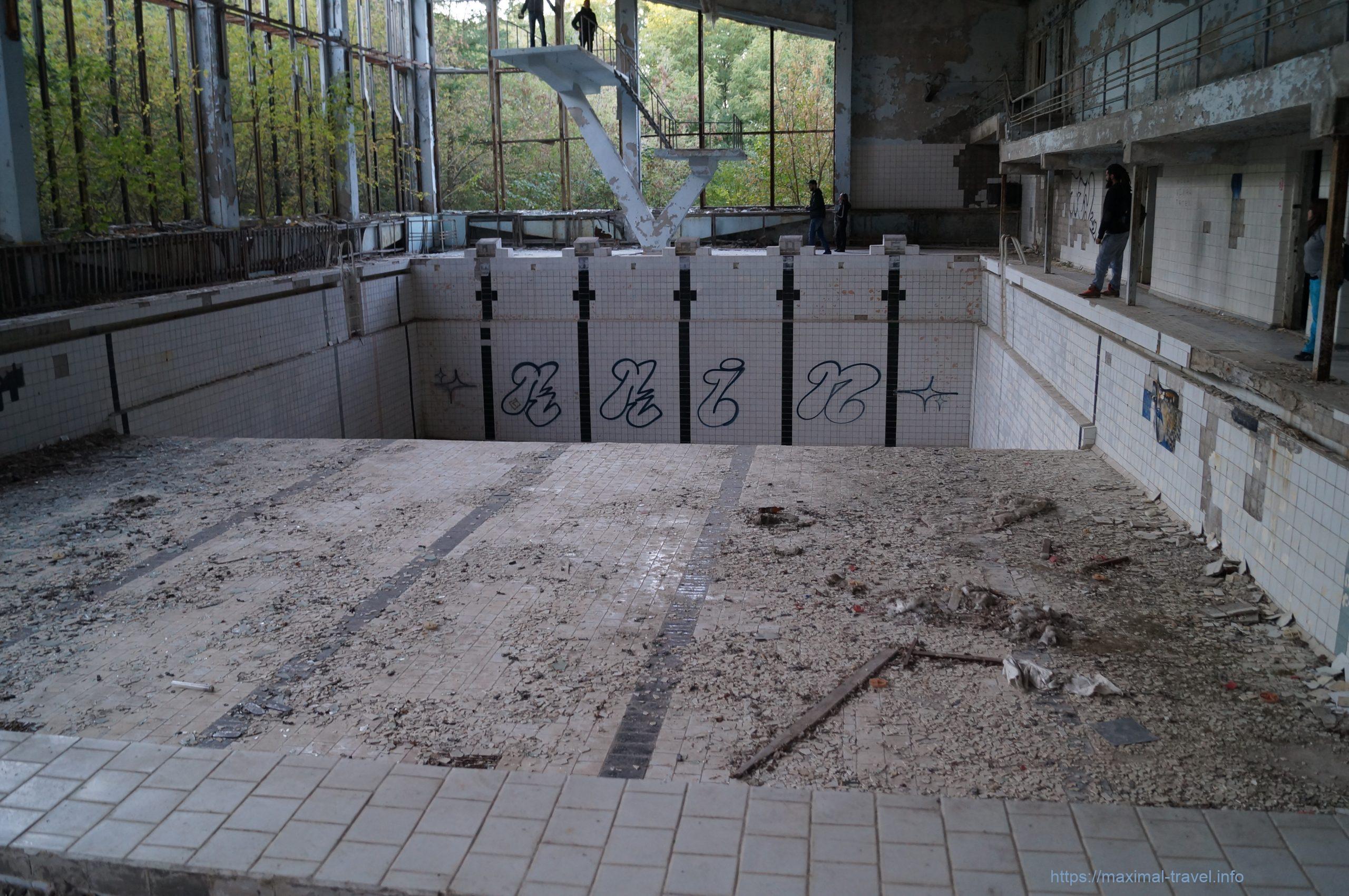
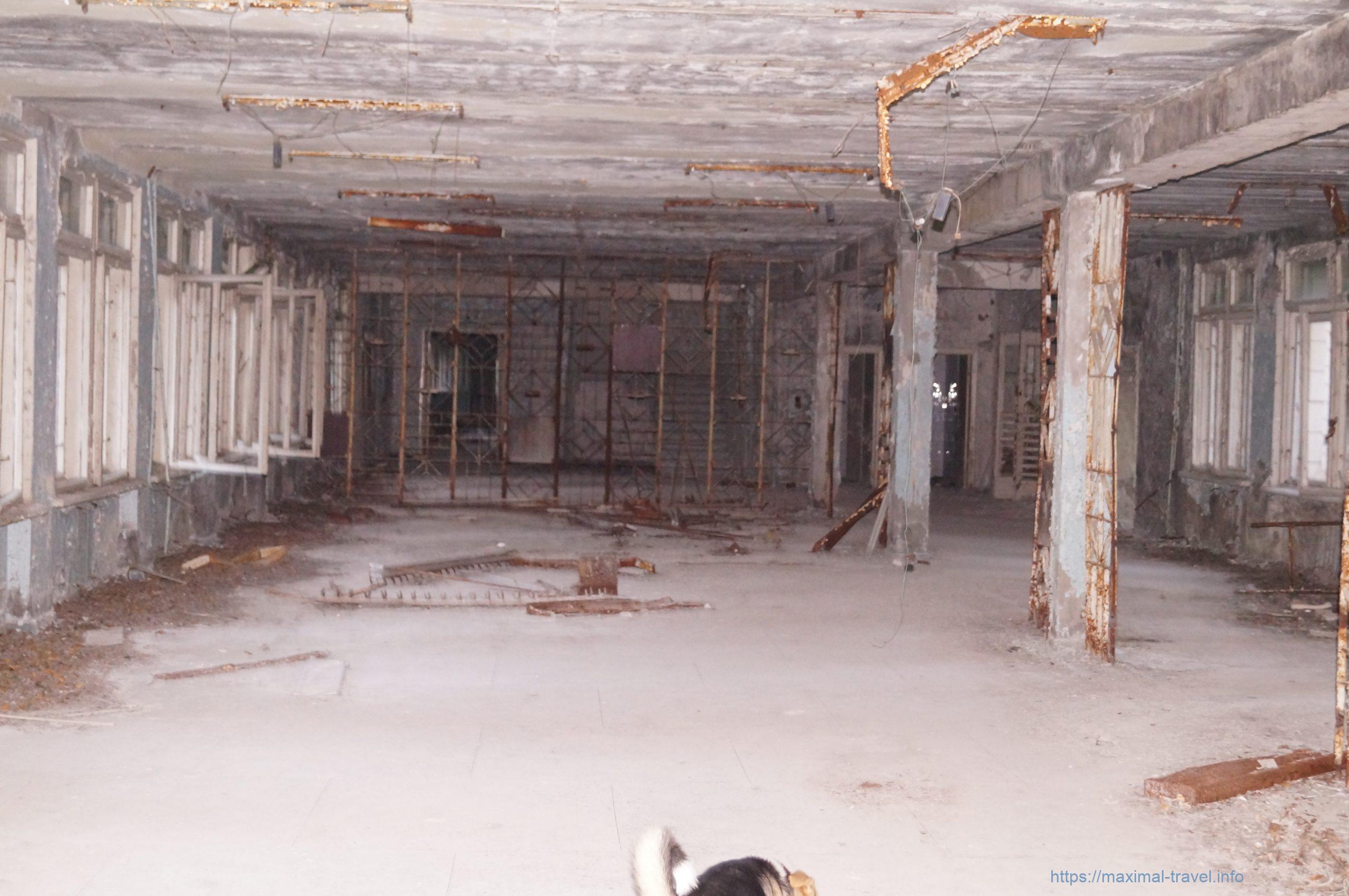
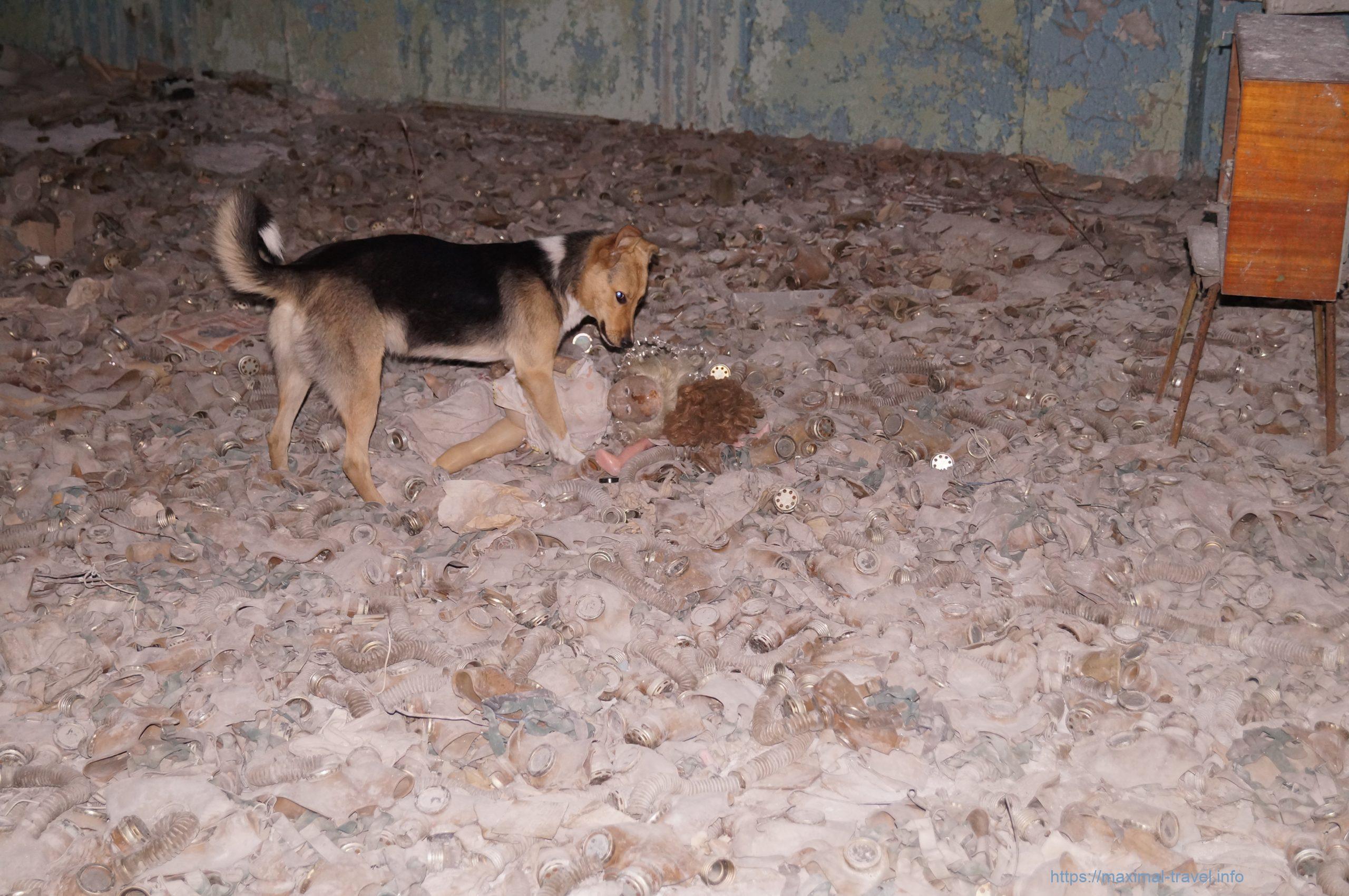
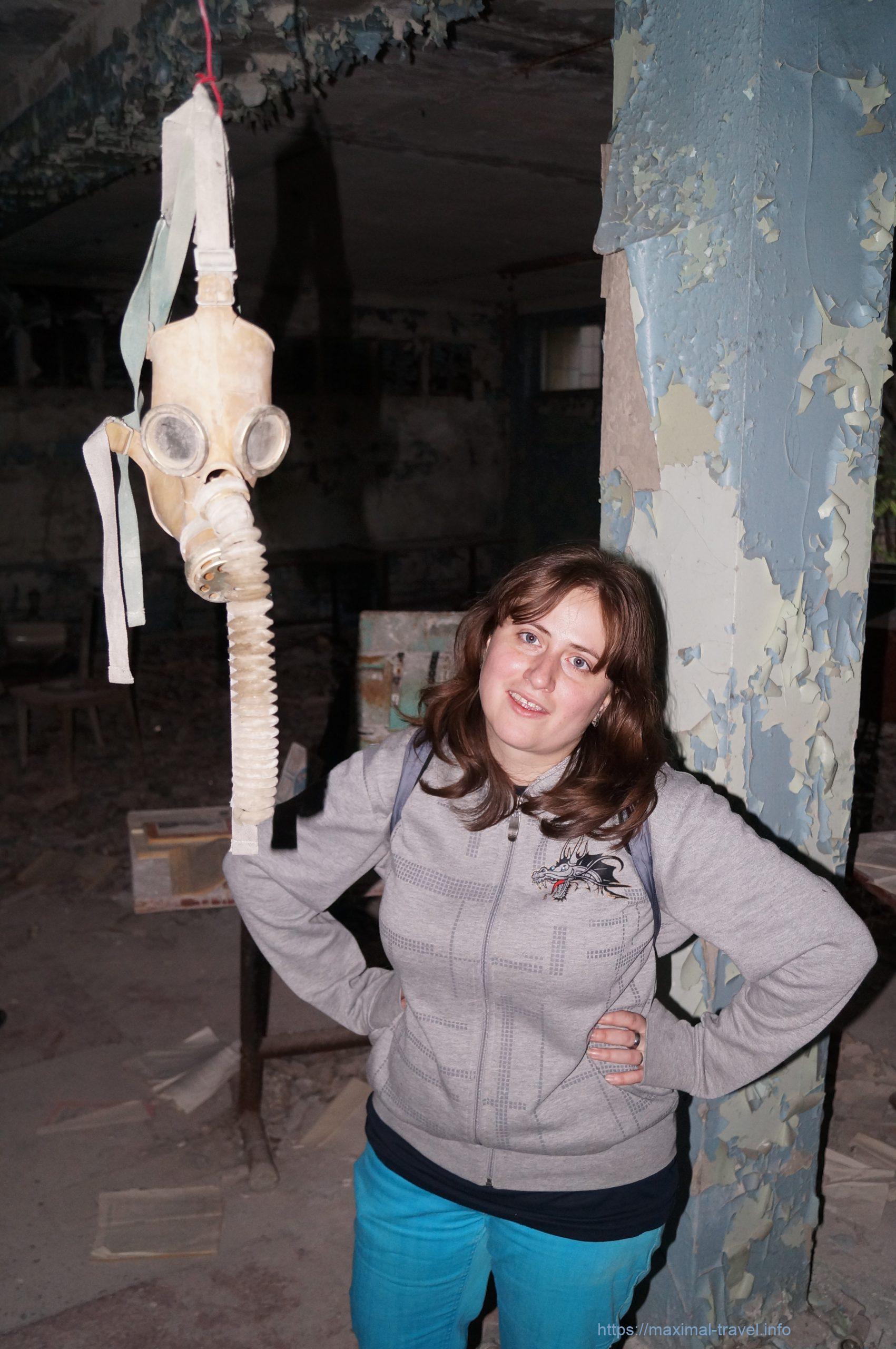
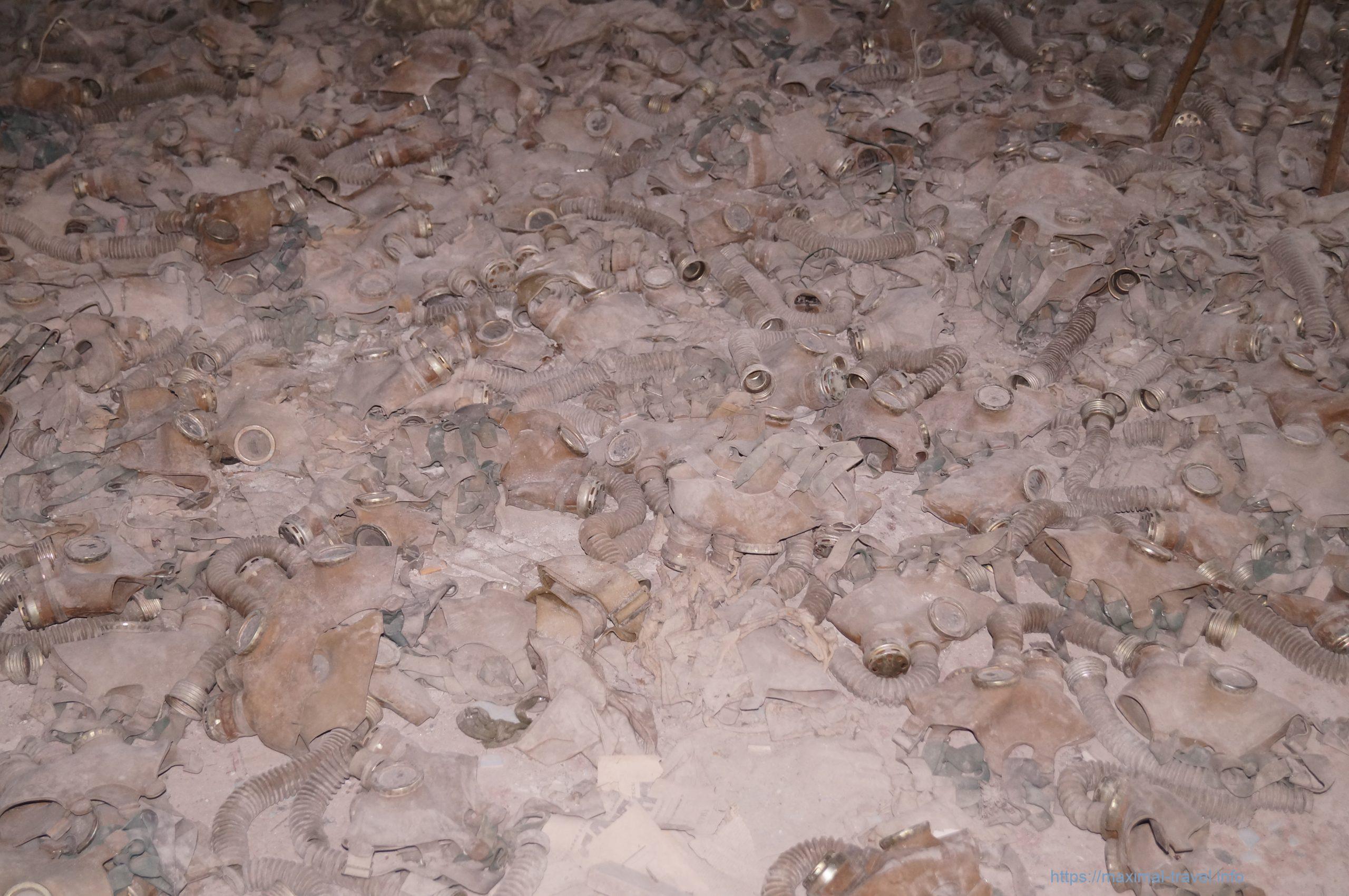
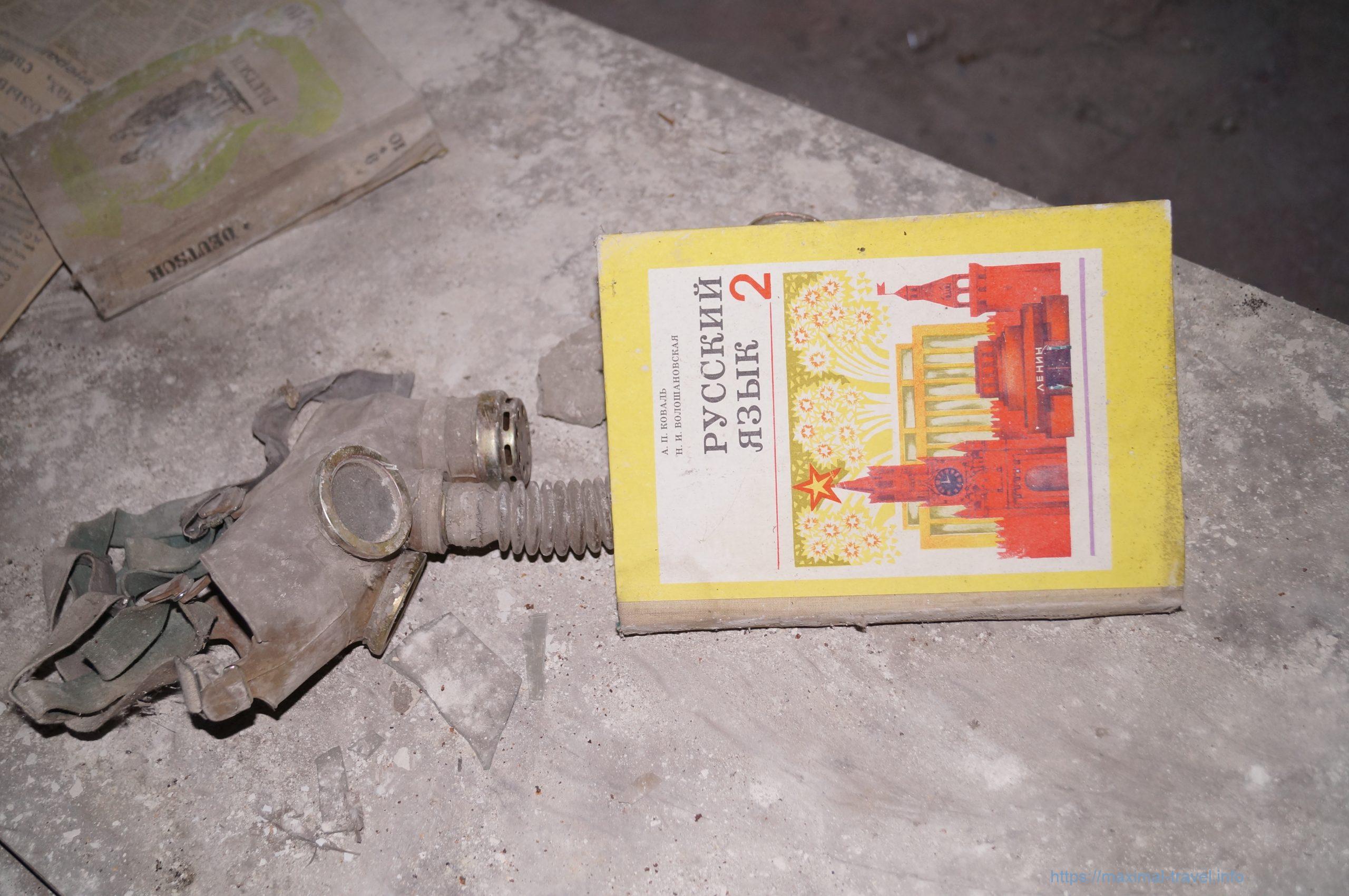
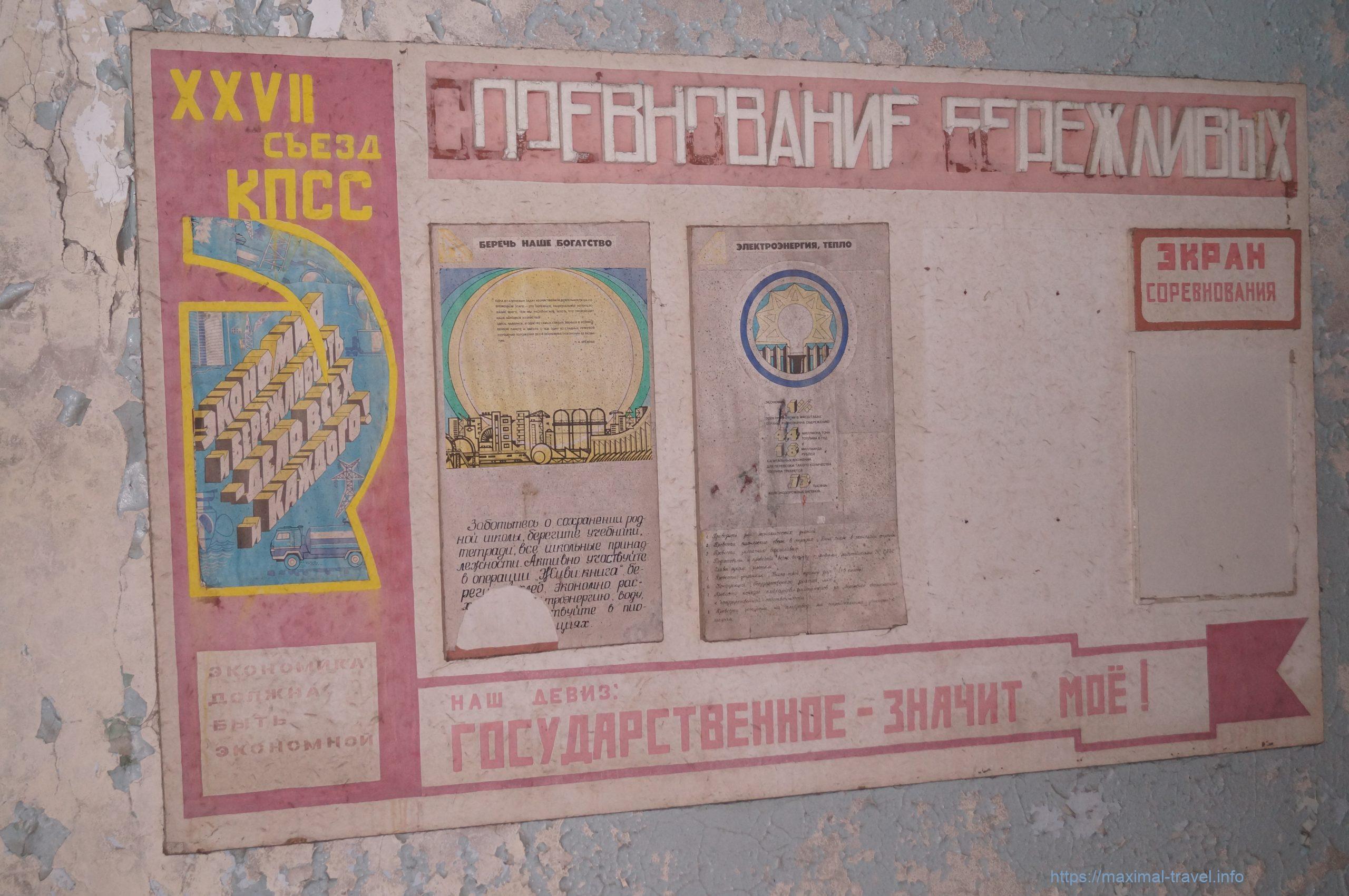
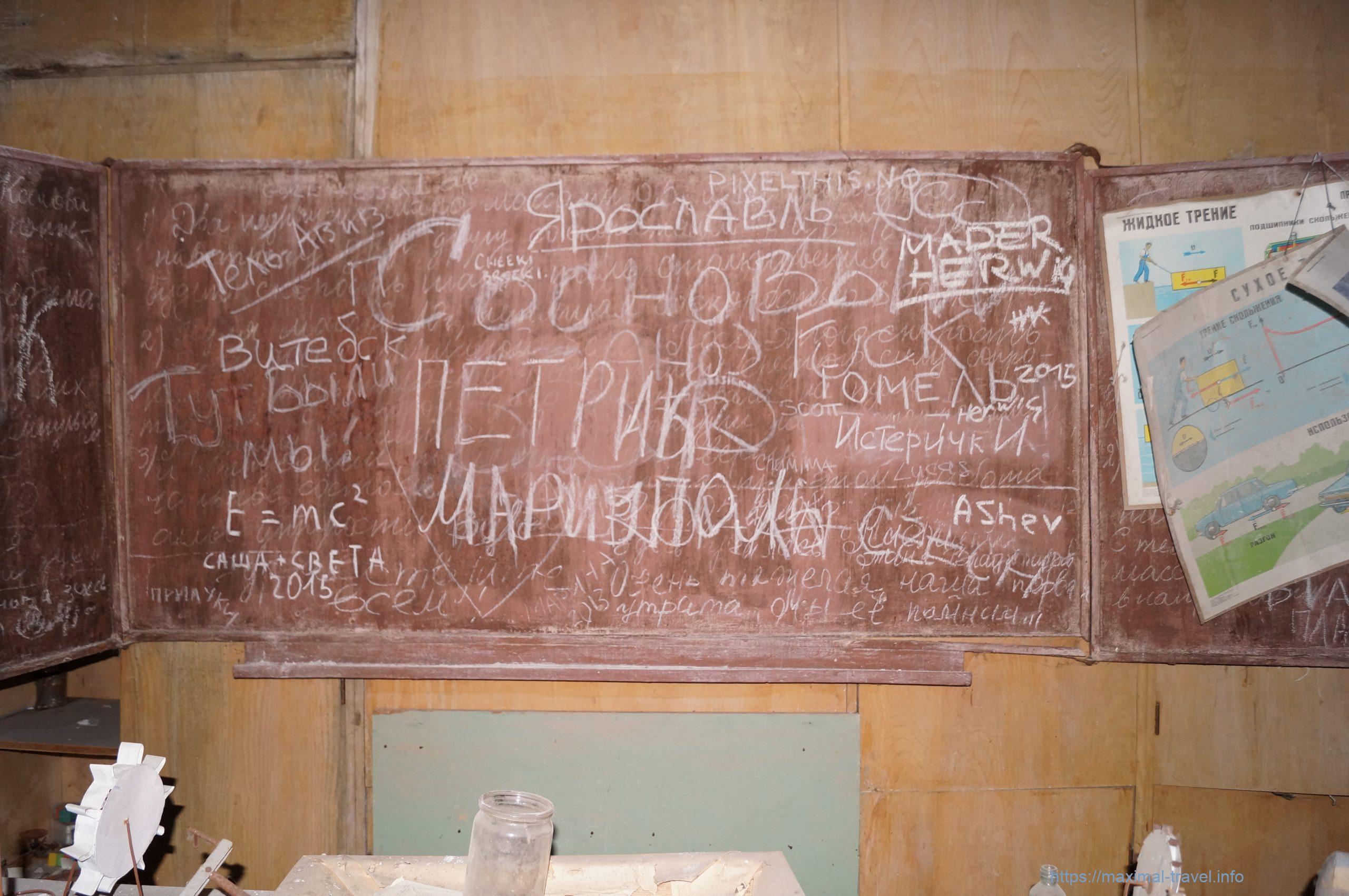
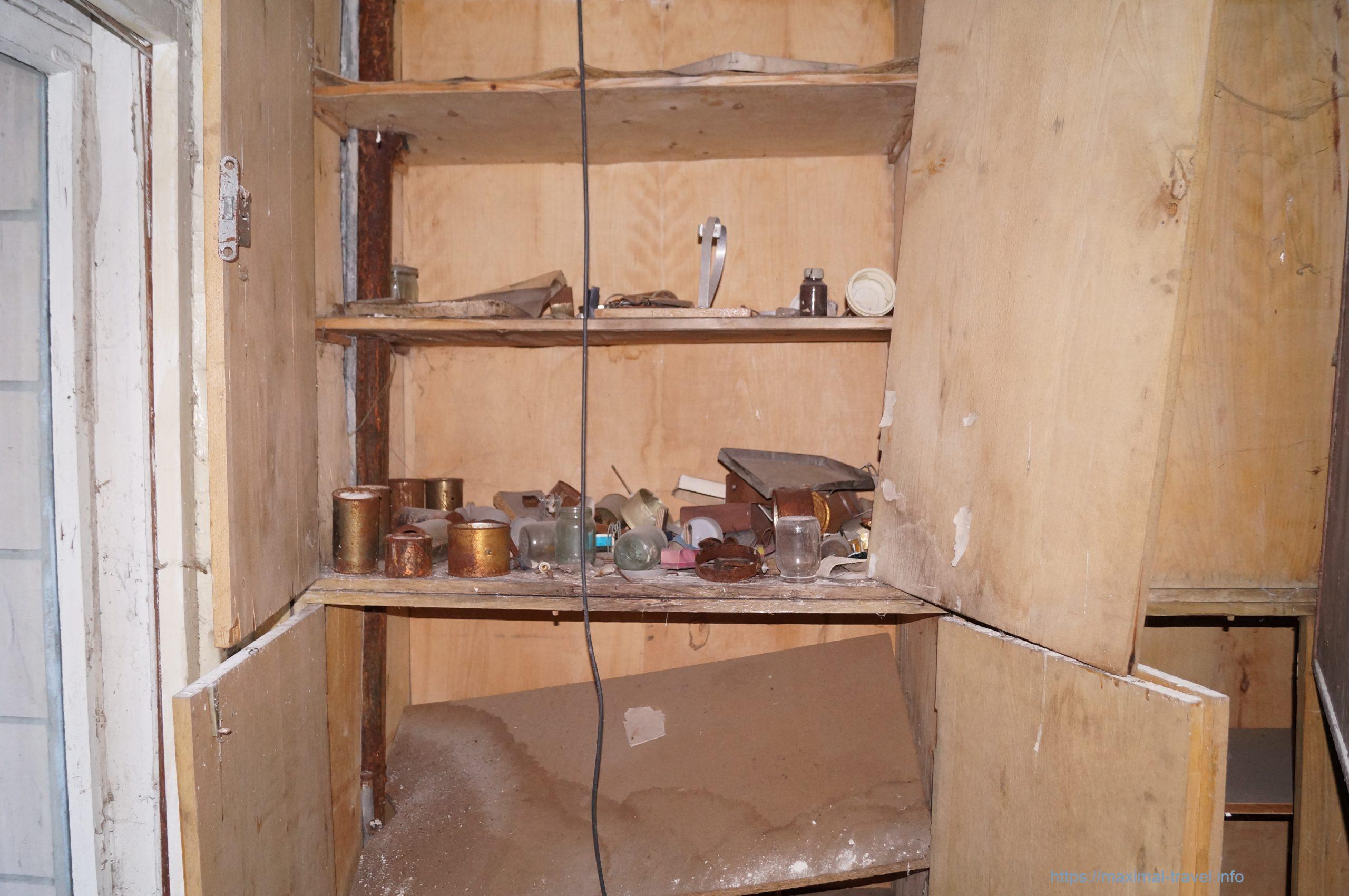
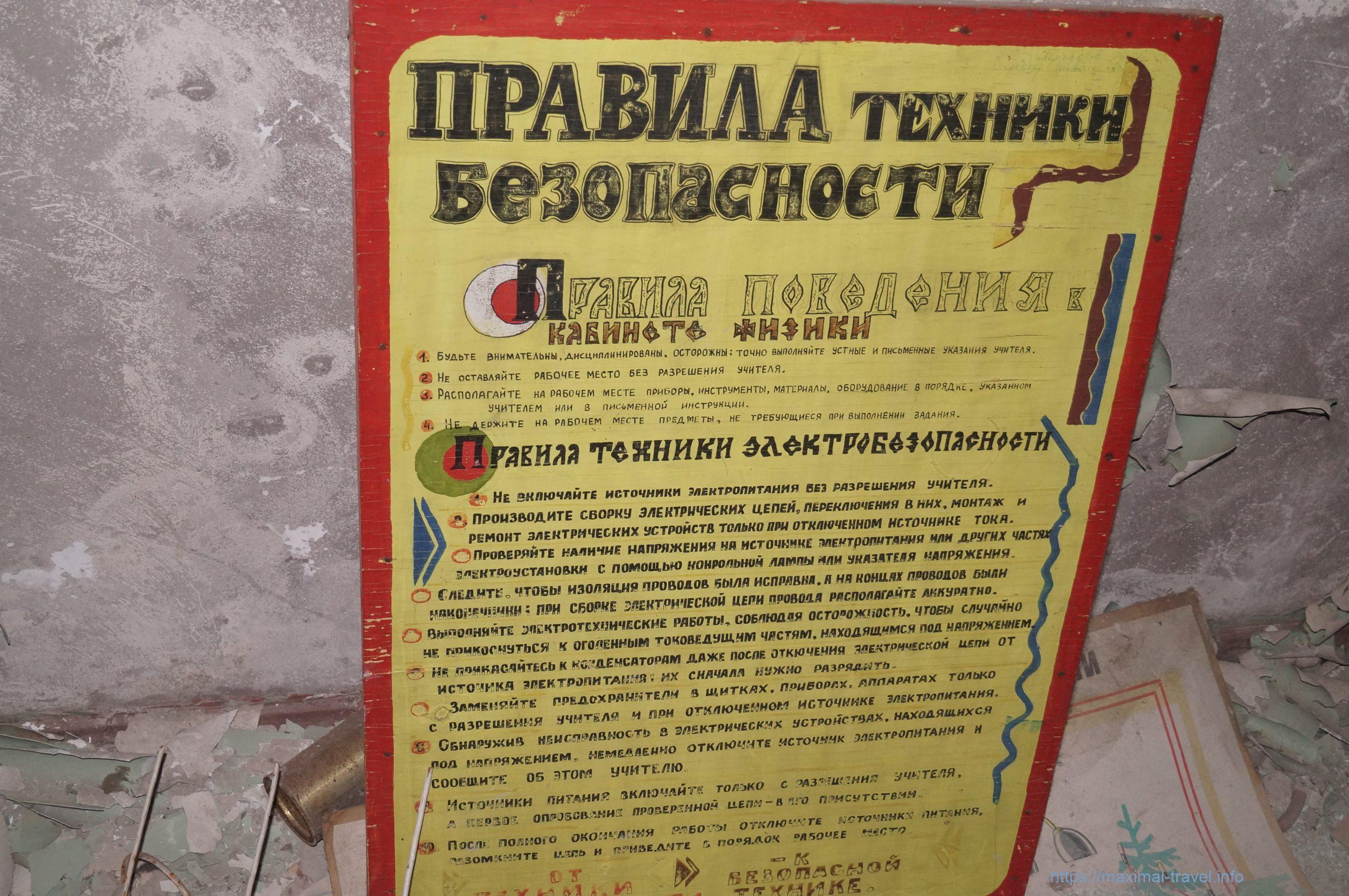
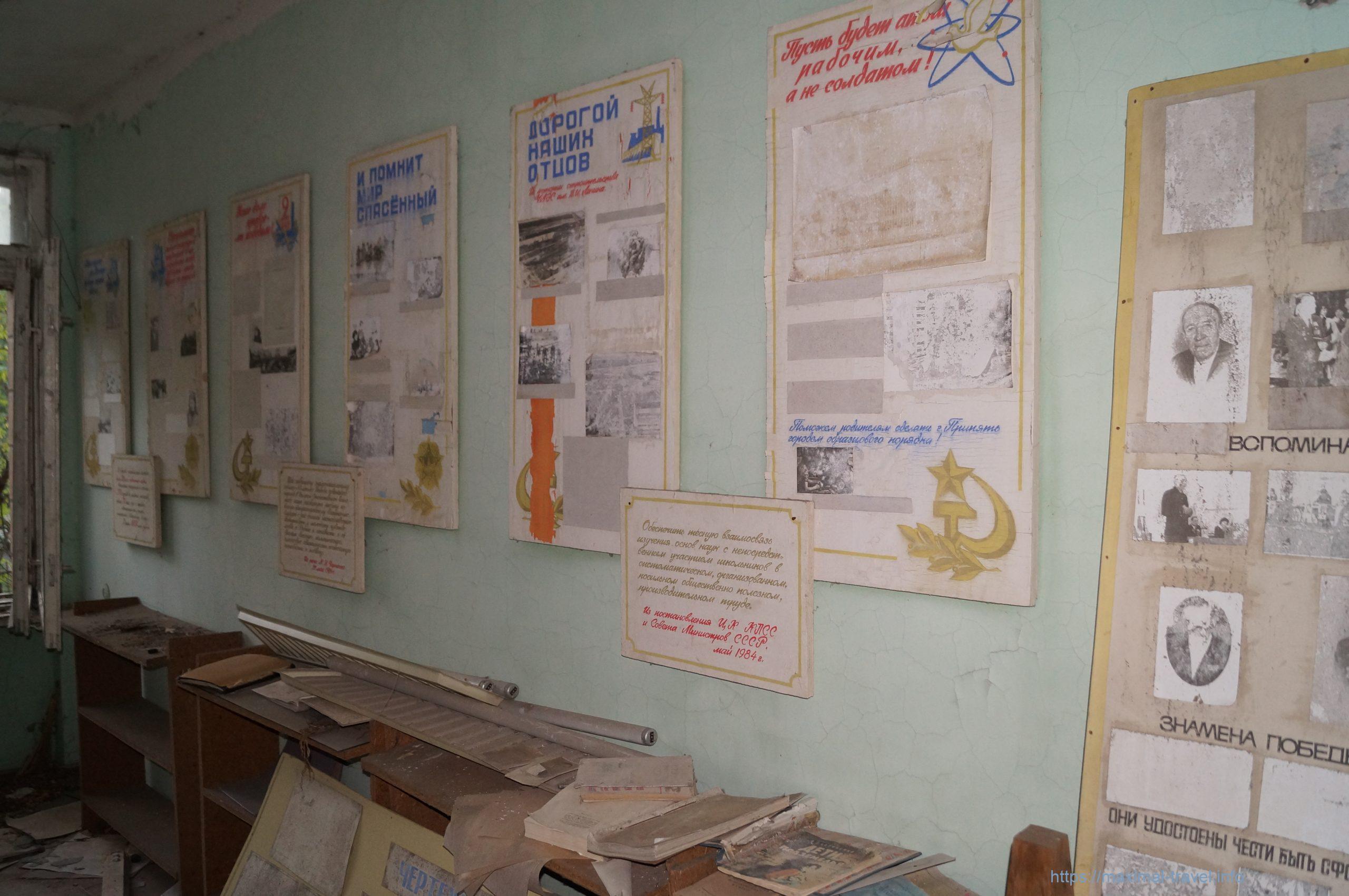
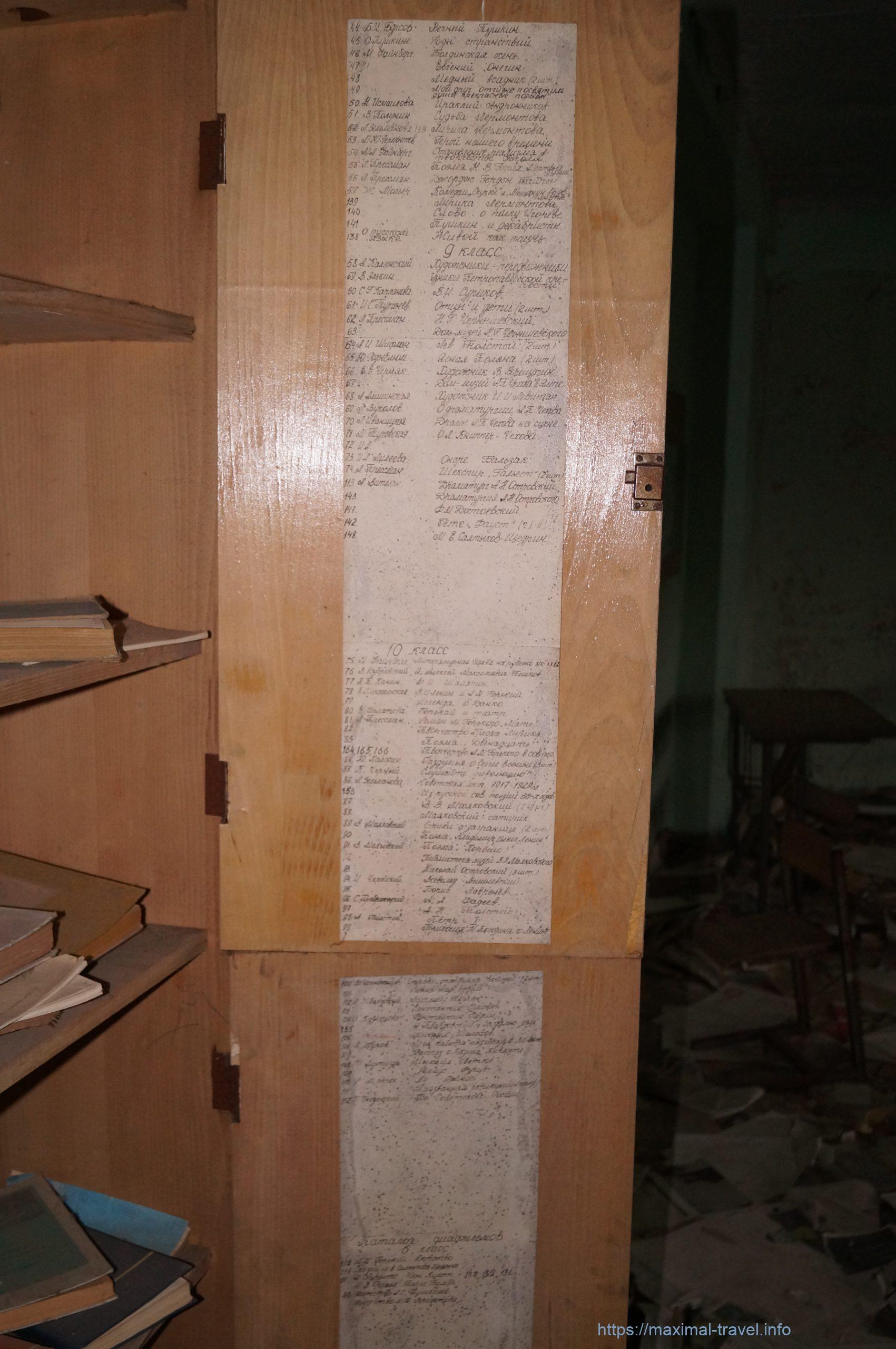
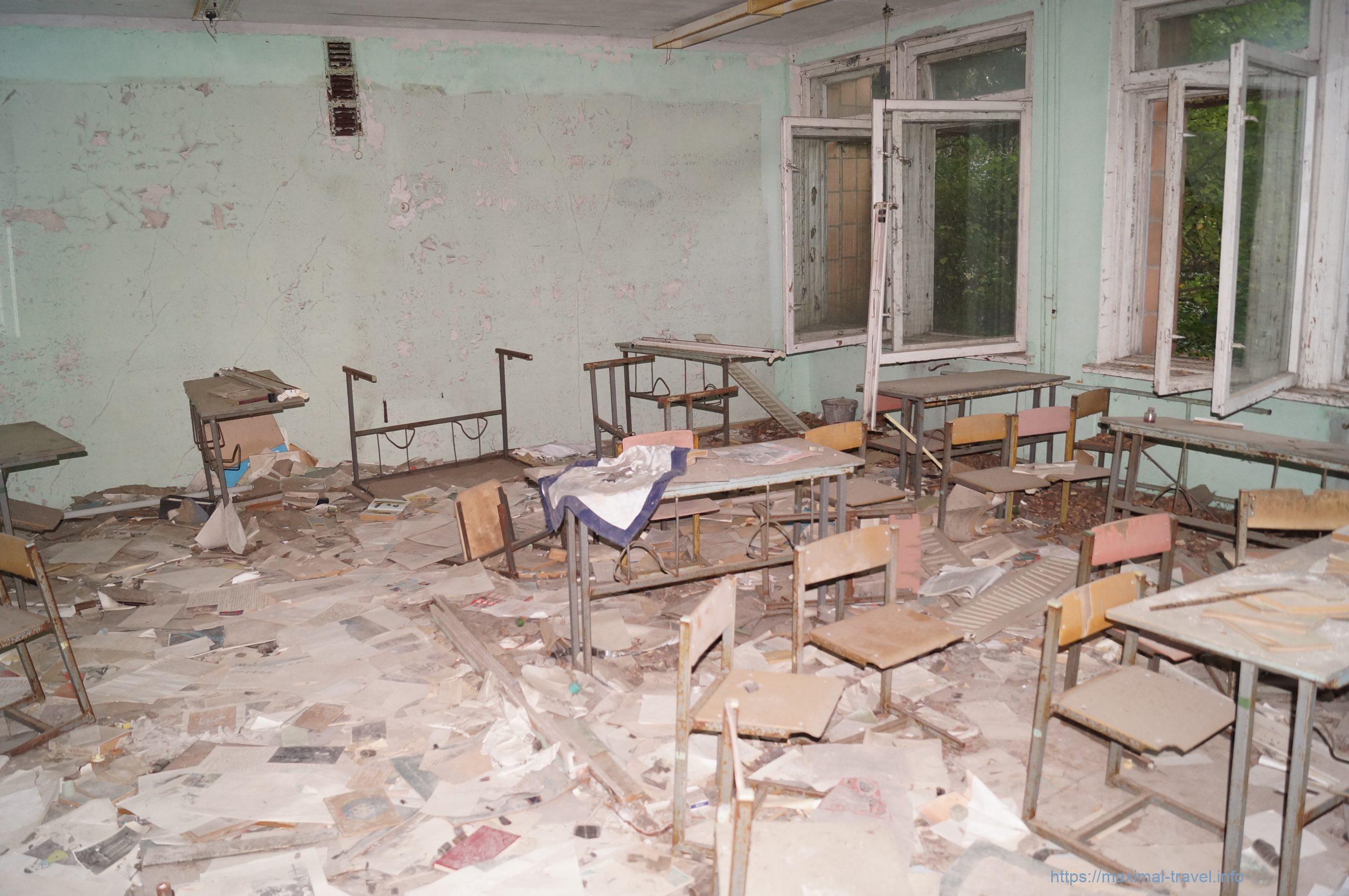
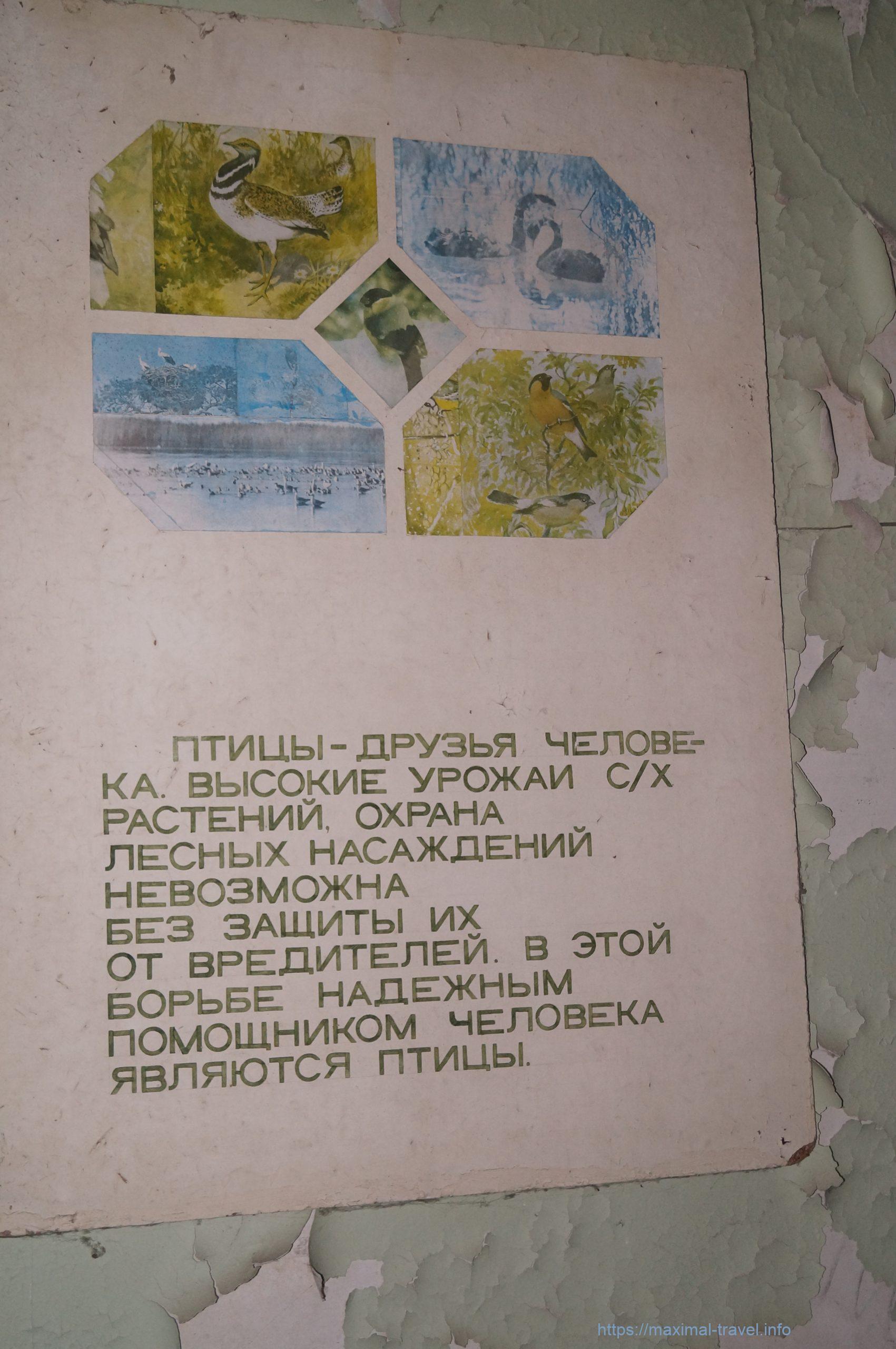
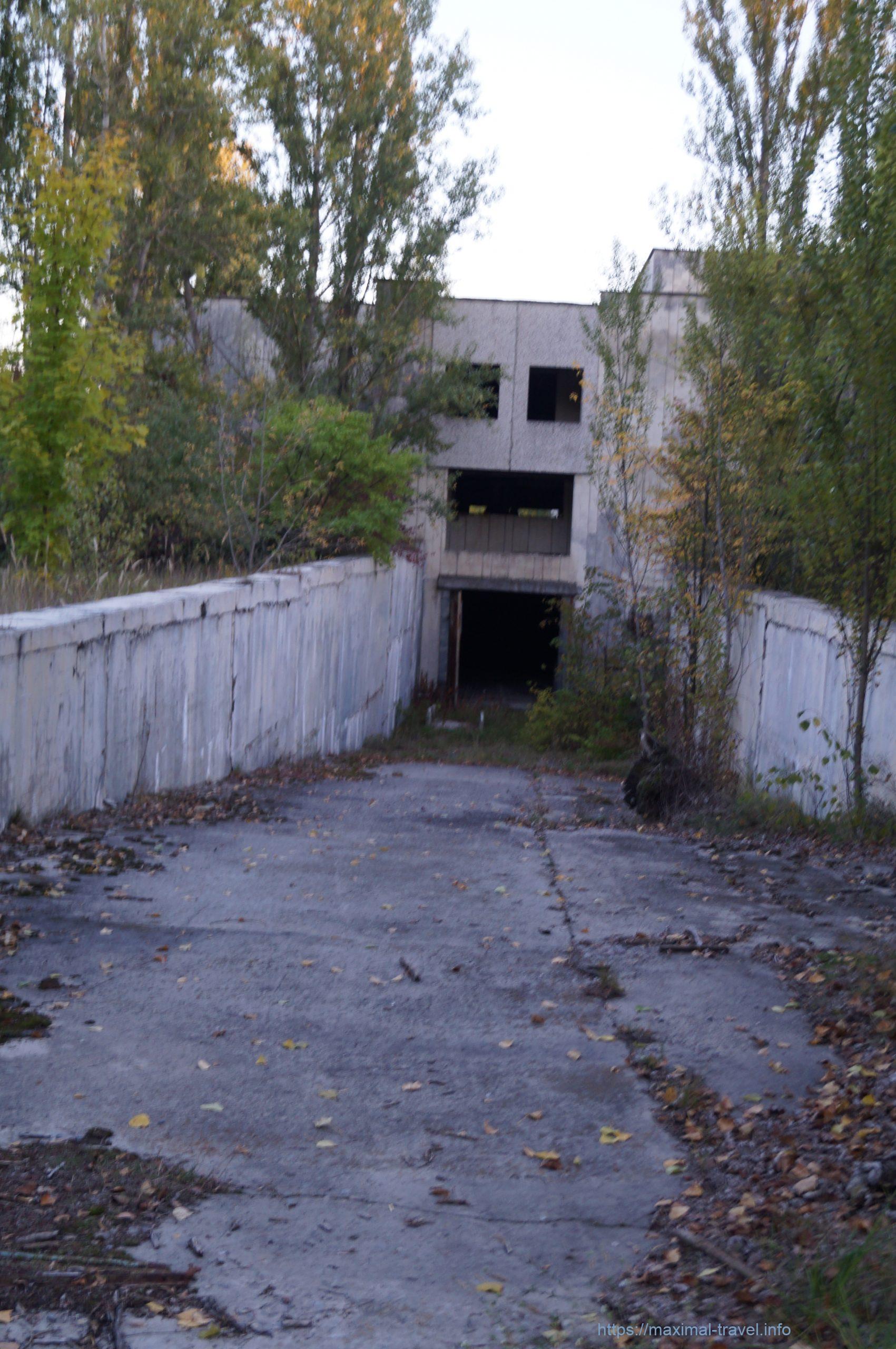
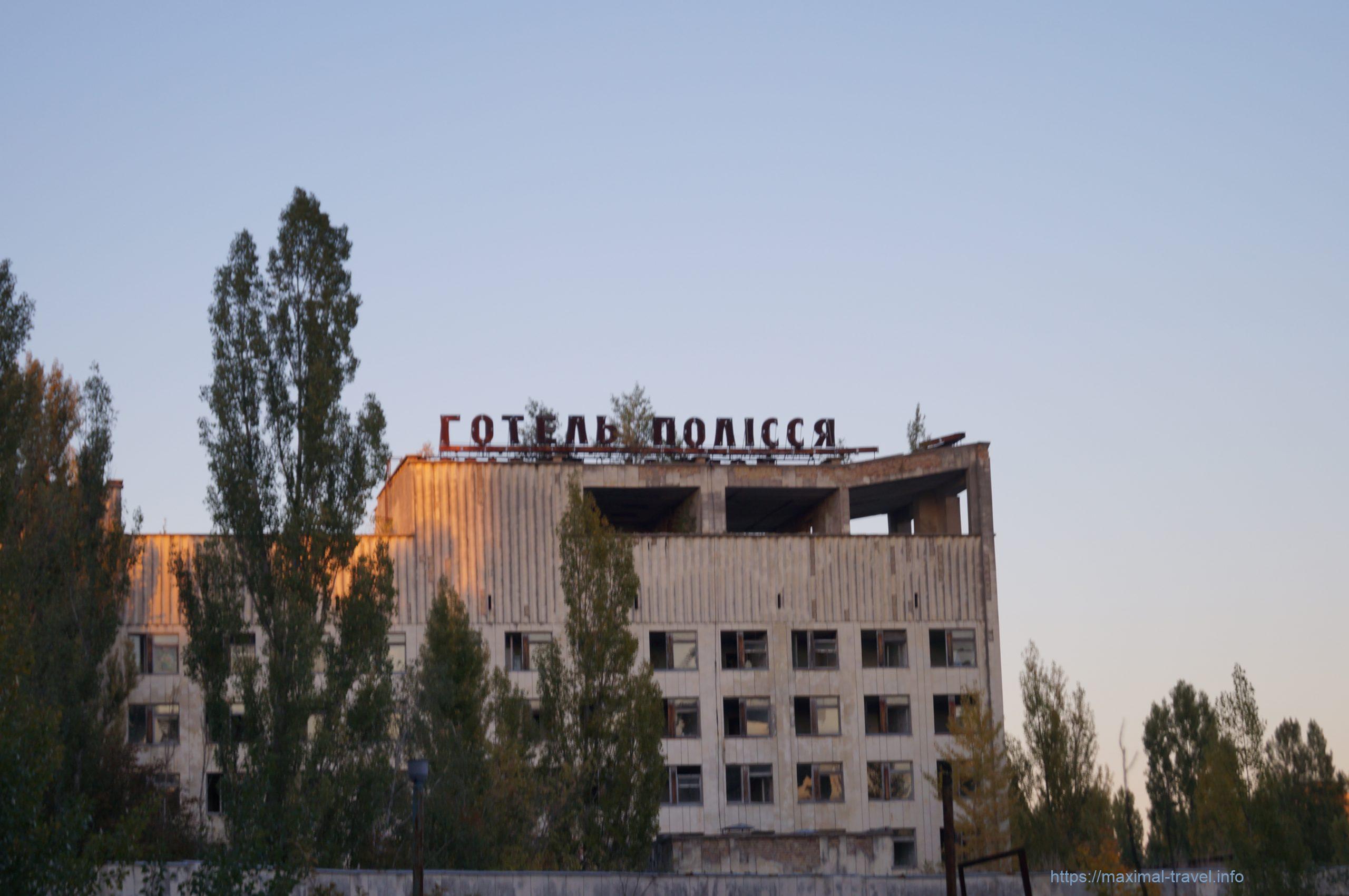
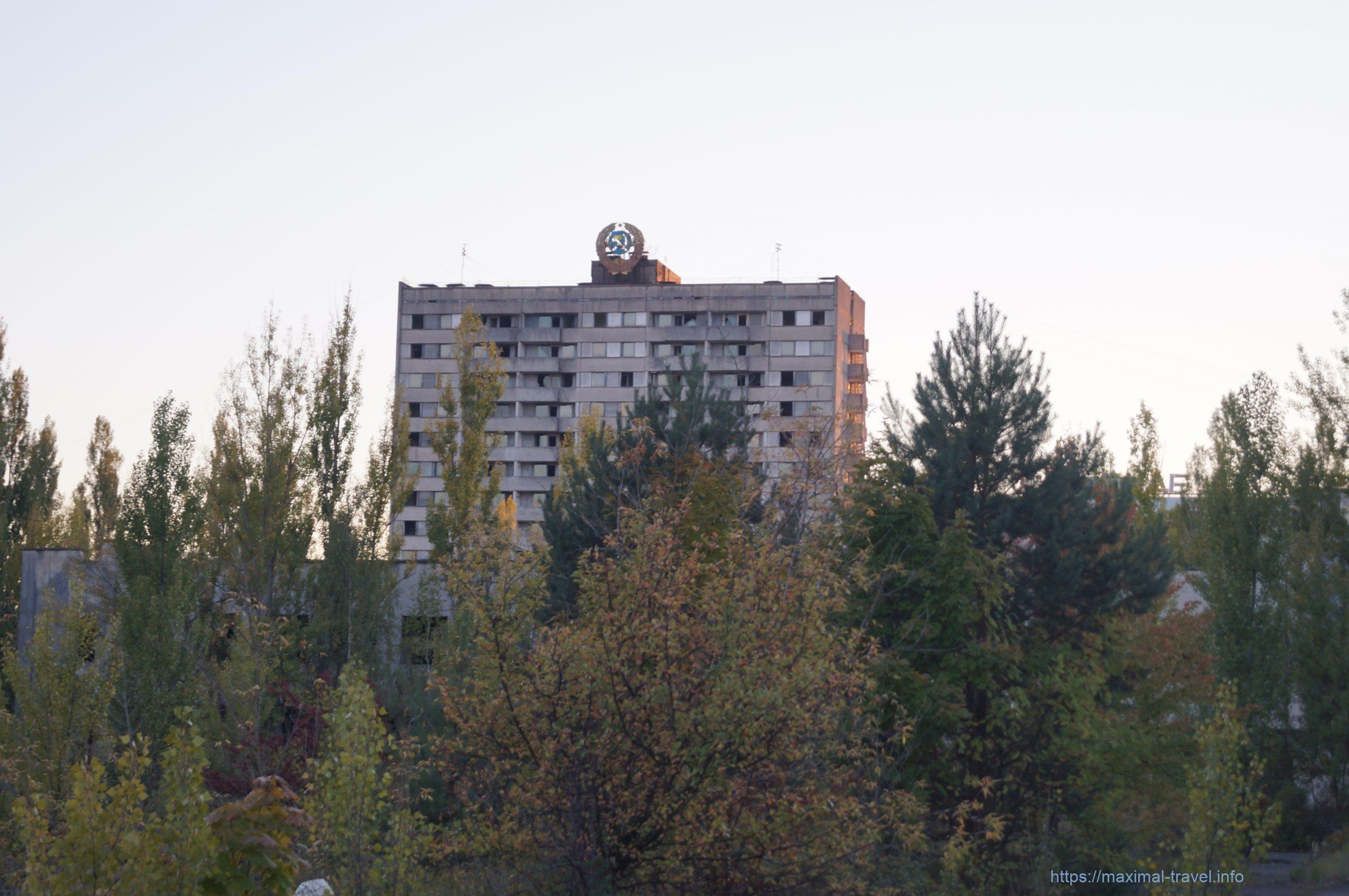
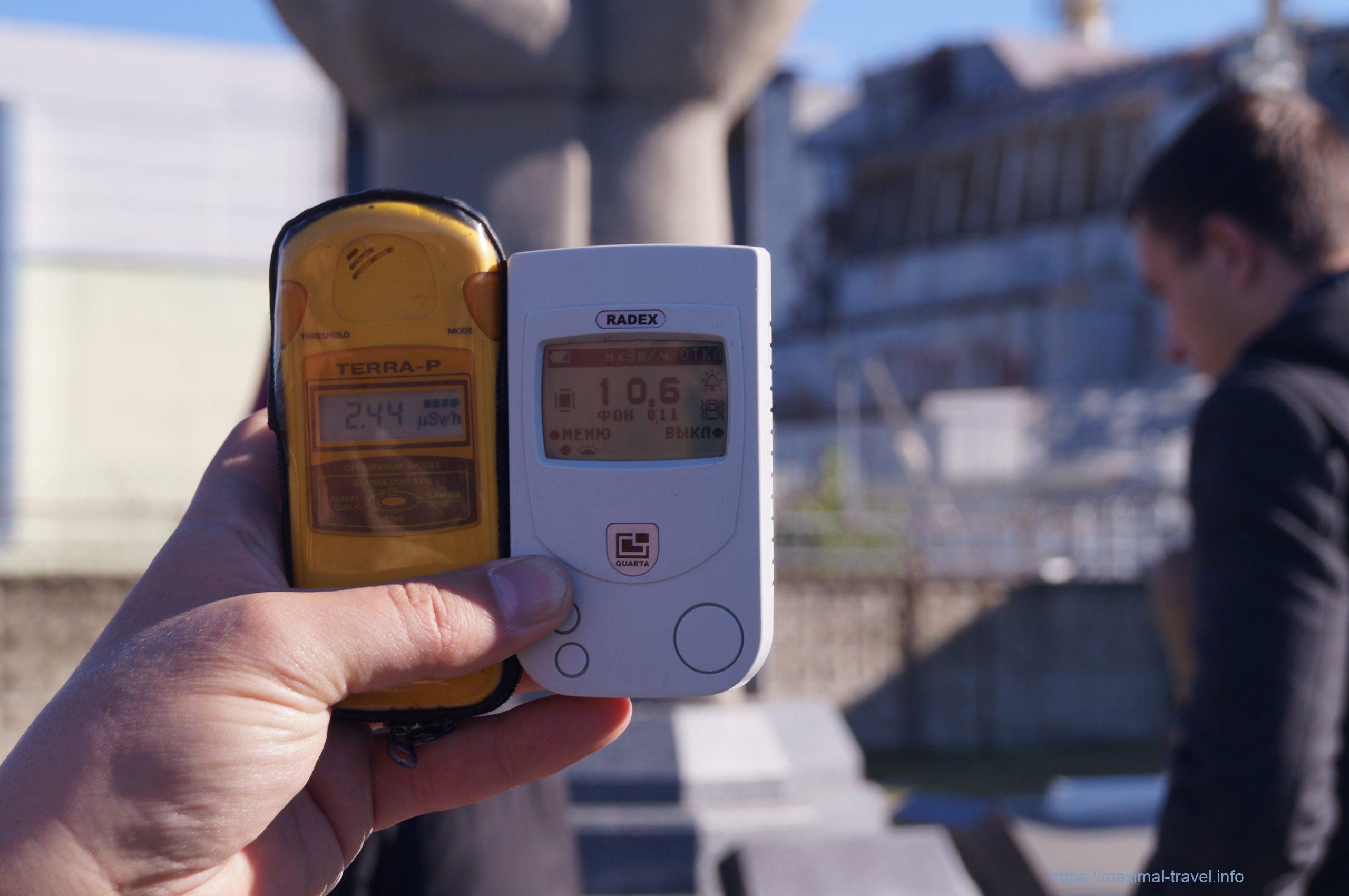
In Prypiat (a wonderful town now run by nature, where bushes, trees and apple trees — we even tried the apples — grow through the asphalt and concrete) we visited the “Energetik” Palace of Culture and saw the half-ruined swimming pool and diving platform. The amusement park with its equally famous Ferris wheel. The “Prometheus” cinema, a kindergarten and a school with classrooms where exercise books and textbooks have still survived. In one of the classrooms there was a pile of used gas masks — a very creepy sight. We saw the fire station from which the first rescuers set off after the accident at the Chornobyl NPP. We looked at the hospital where the first victims and the rescuers from that fire station were brought. In the hospital we saw pieces of the rescuers’ clothing; when we held a dosimeter over them, it couldn’t show an exact value because the contamination exceeded the dosimeter’s maximum. We didn’t go down into the hospital basement, but the guide said there is a lot of the rescuers’ clothing there, and it’s very dangerous, since any speck of dust could be fatal to a person’s health and life. We climbed to the 16th floor, which offered a wonderful view over the whole of Chornobyl, including the nuclear power plant itself.
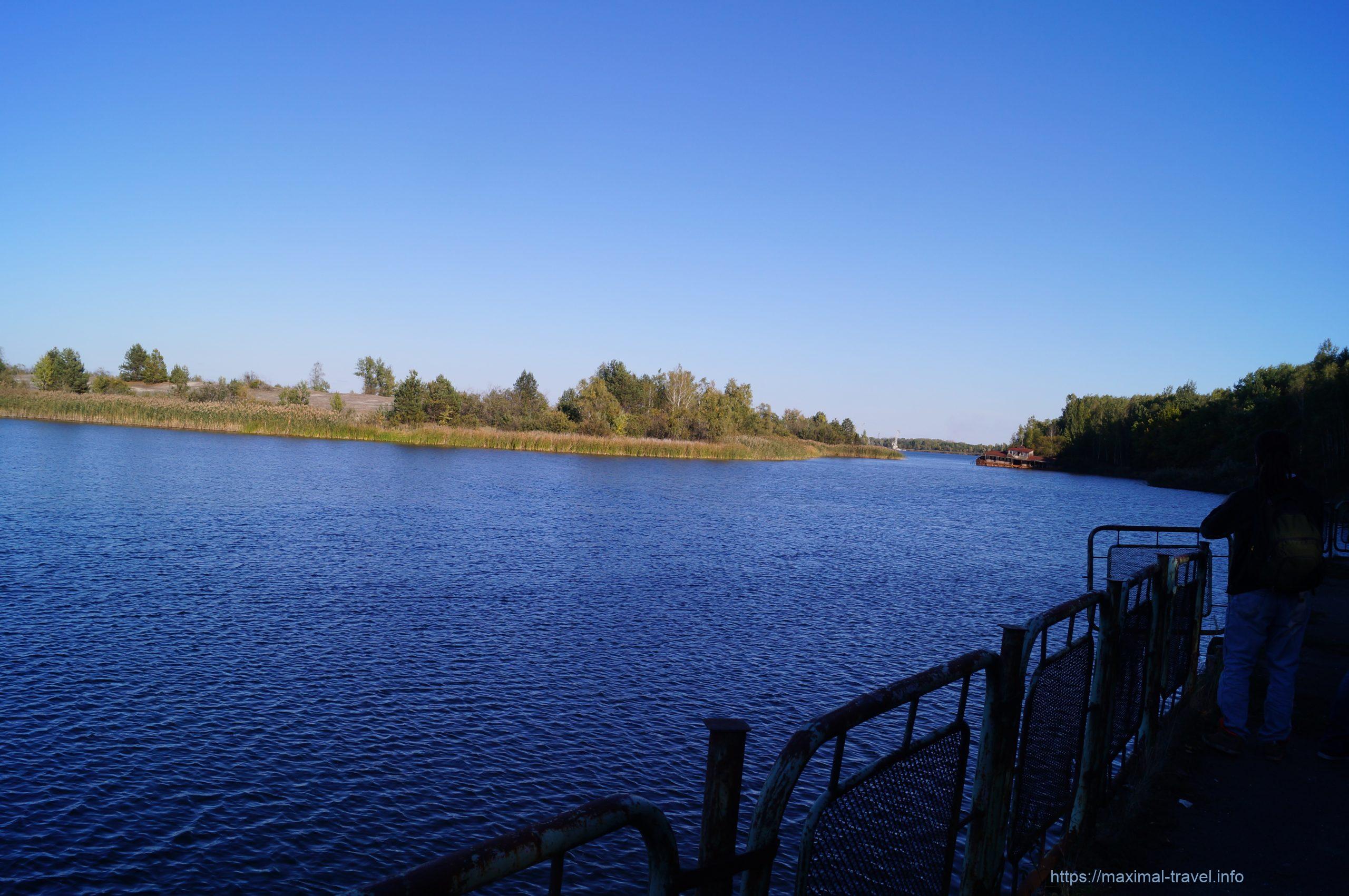
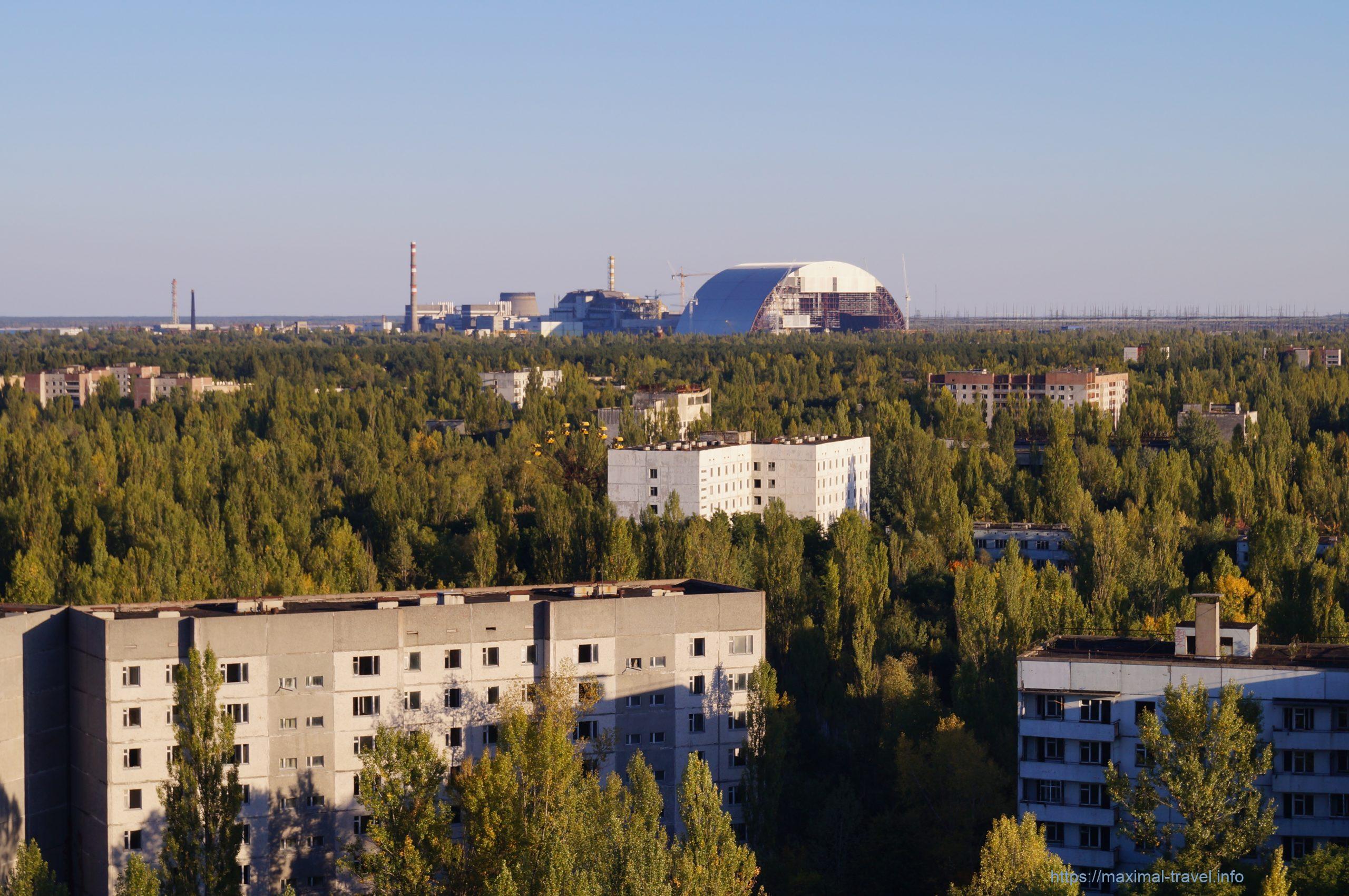
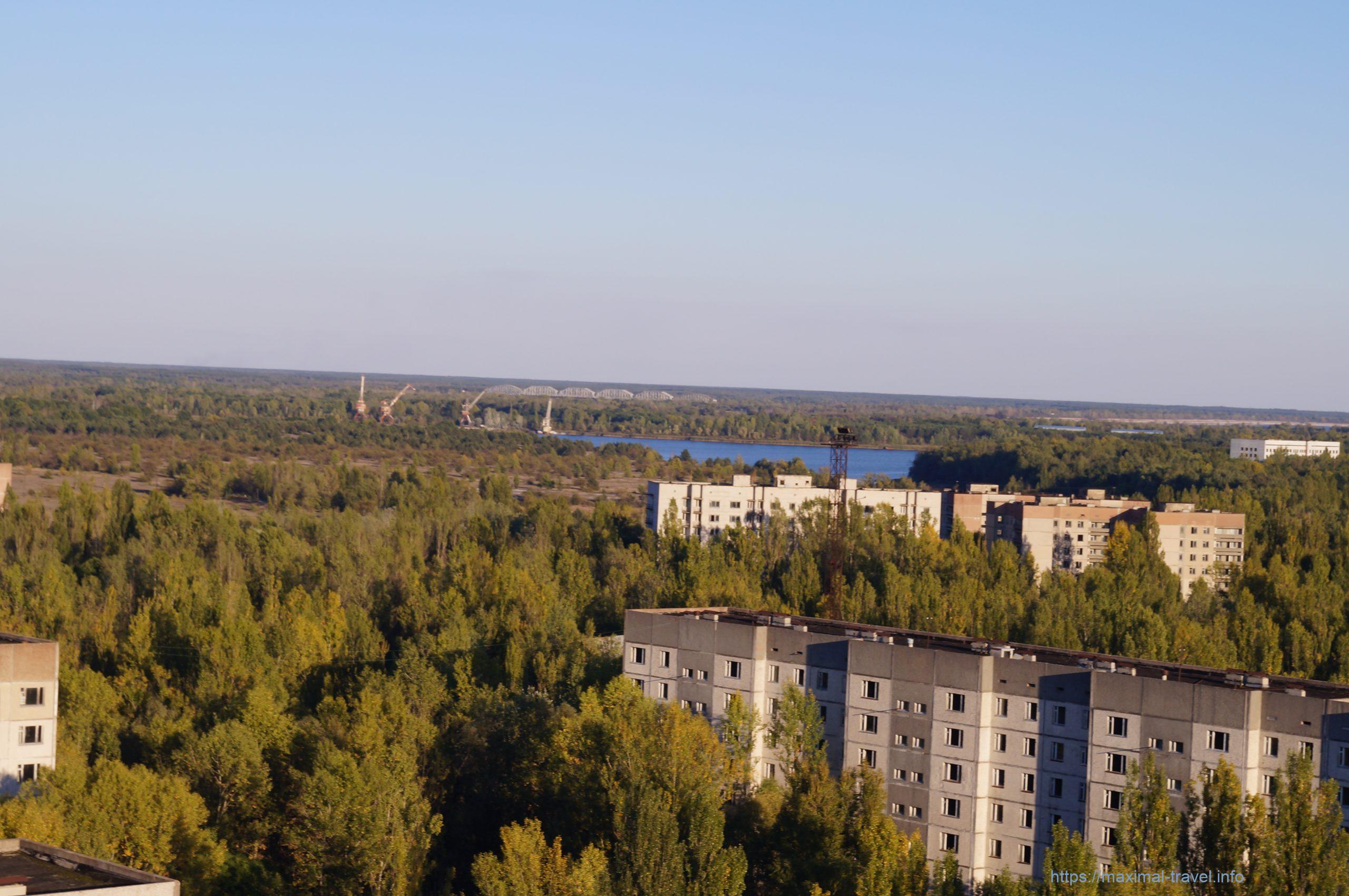
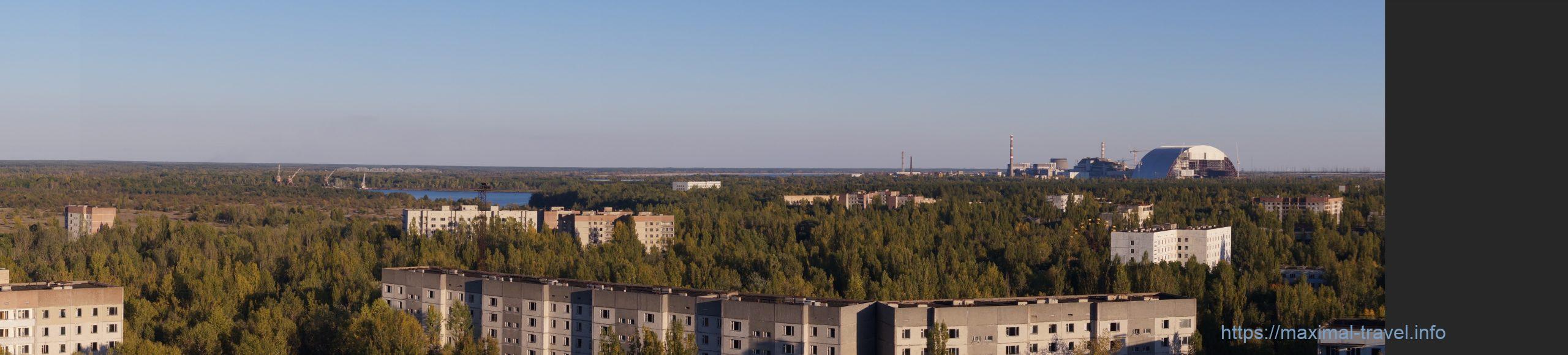
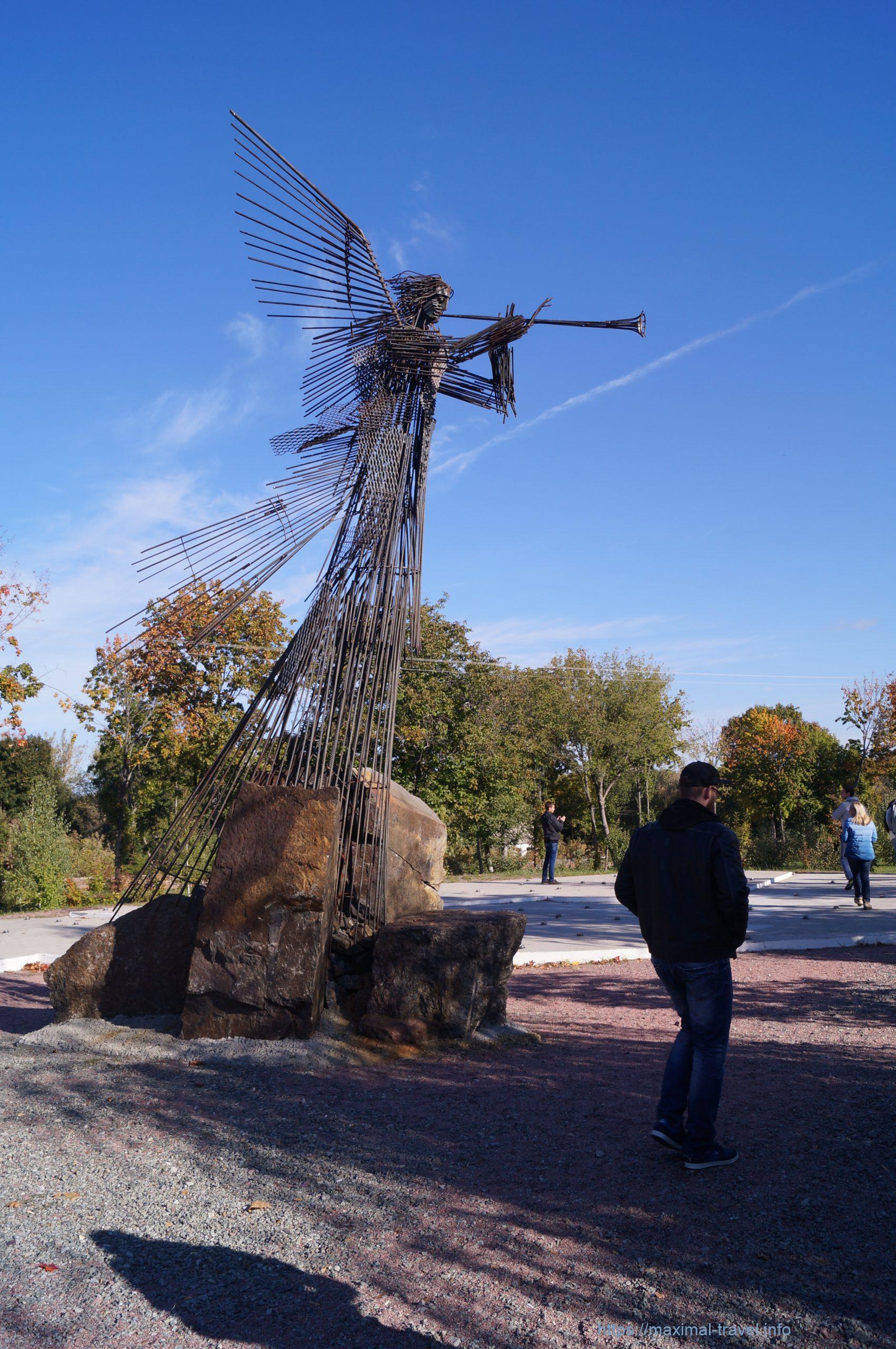
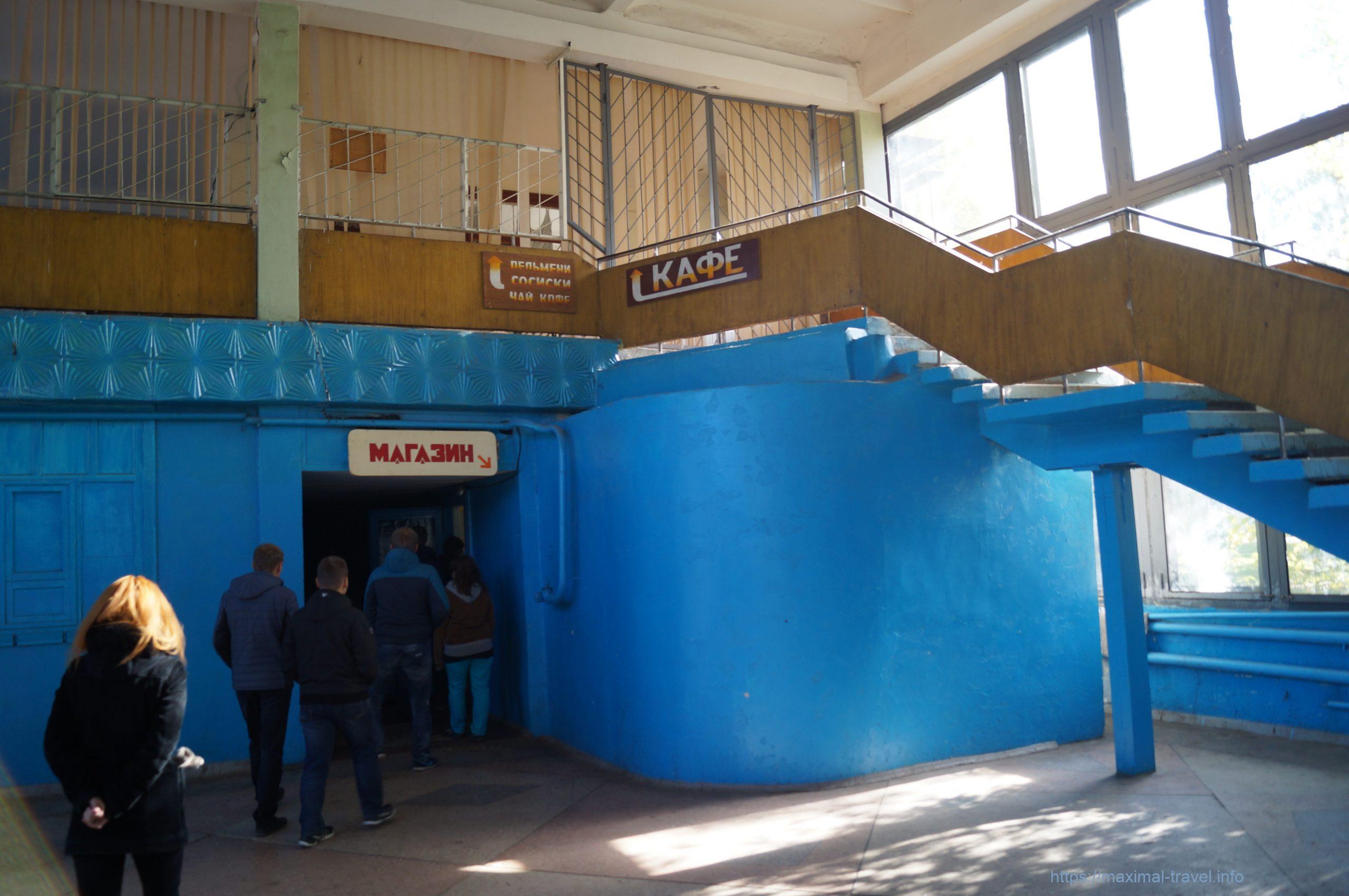
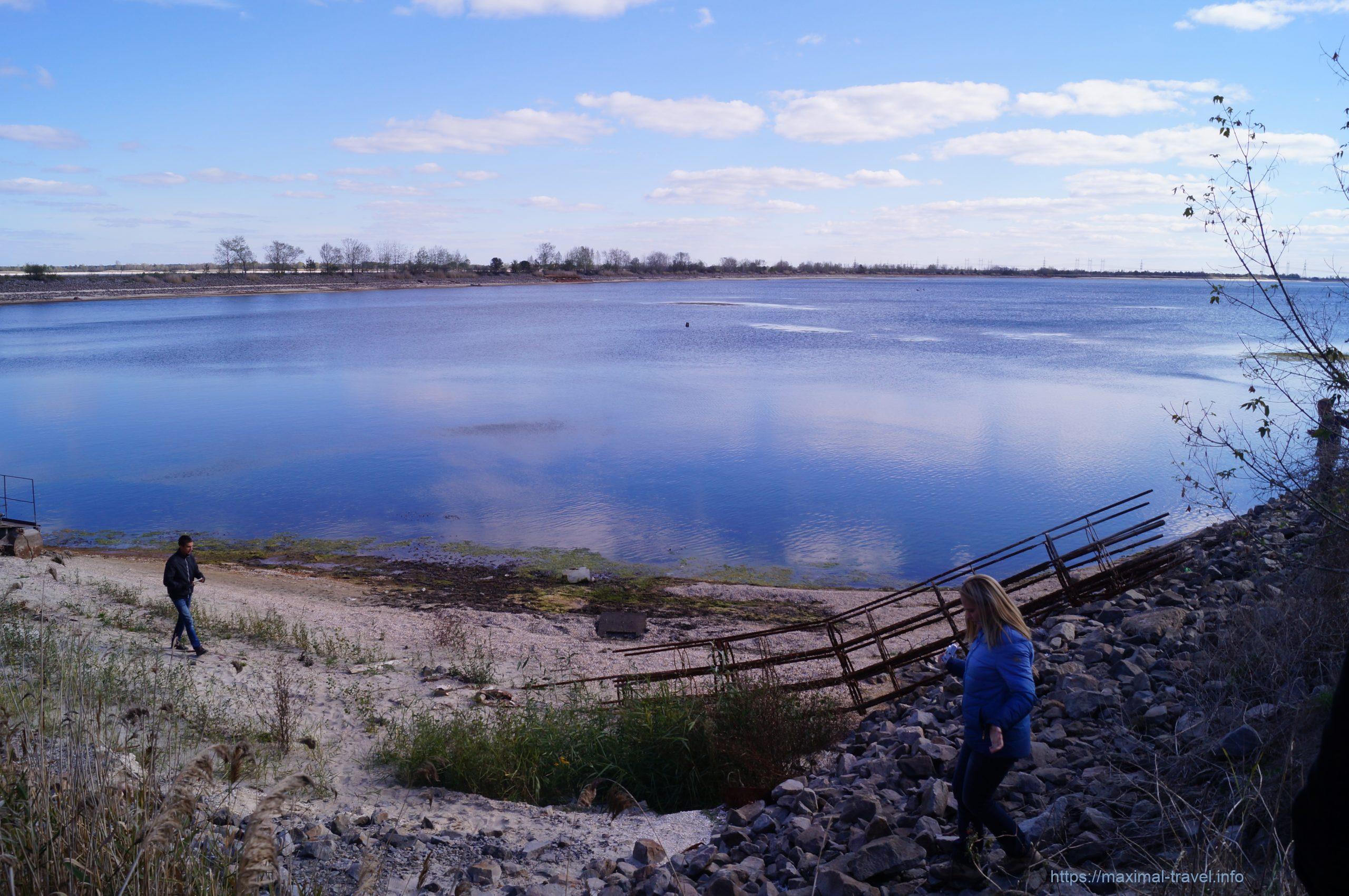
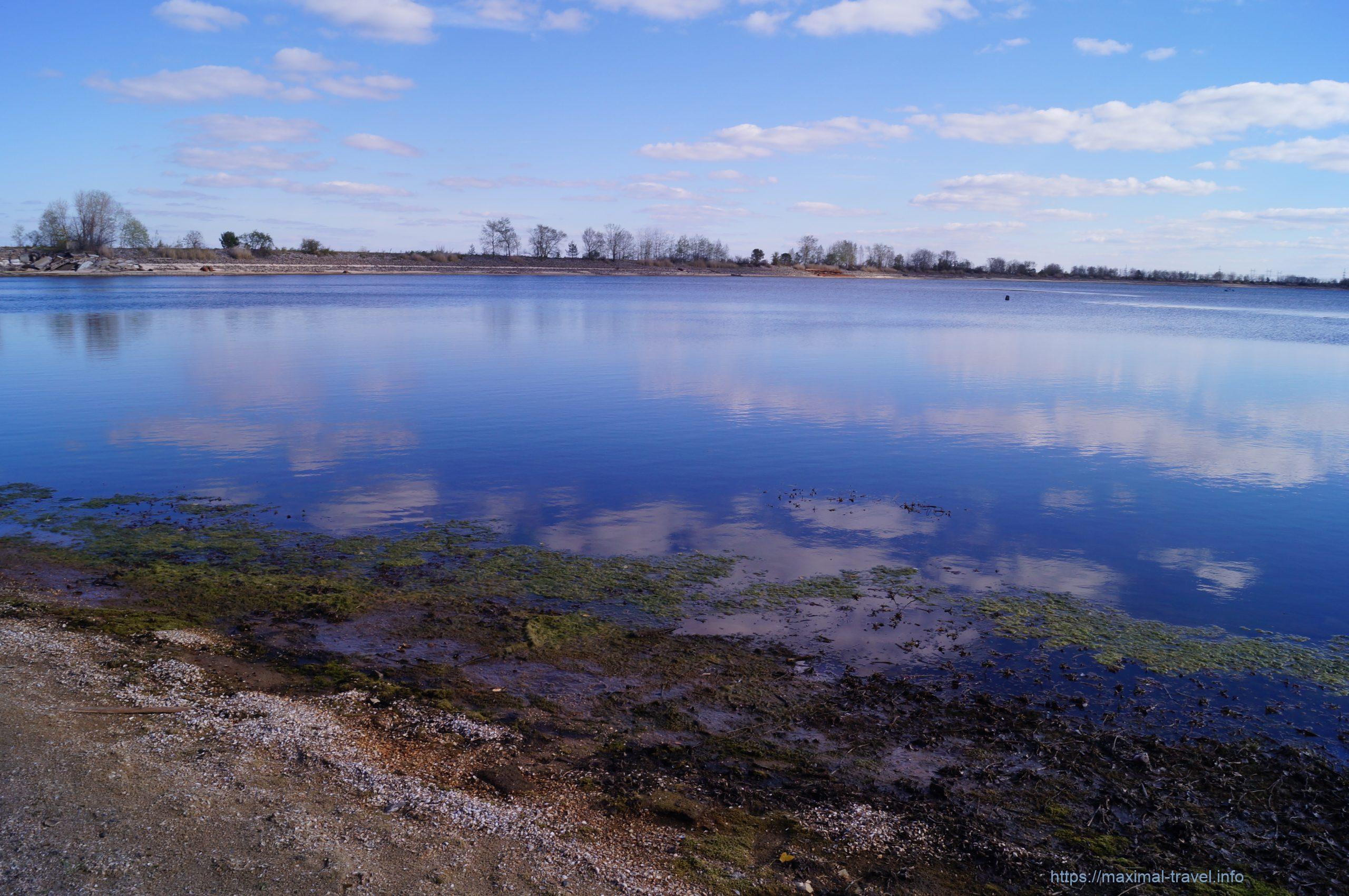
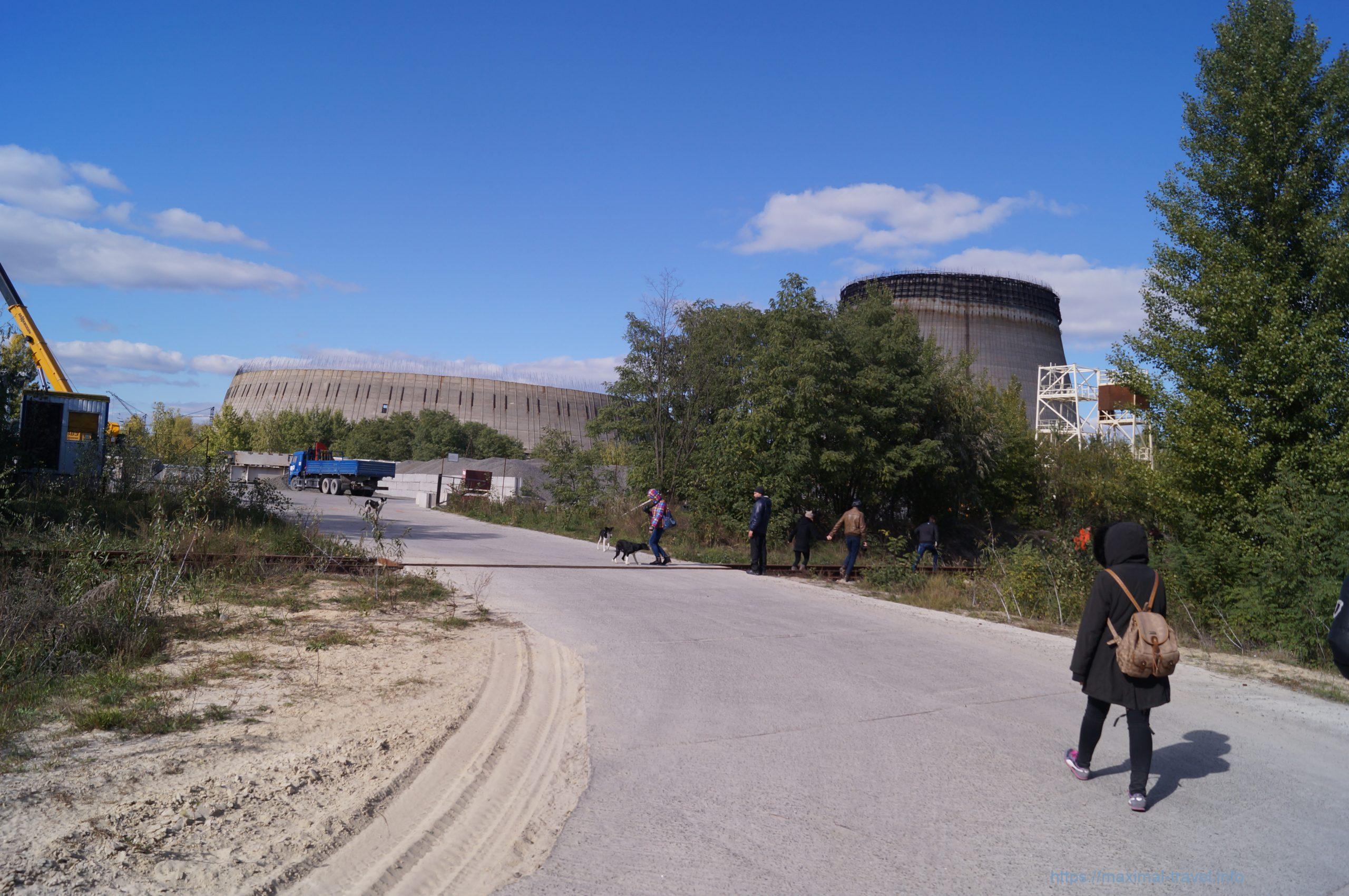
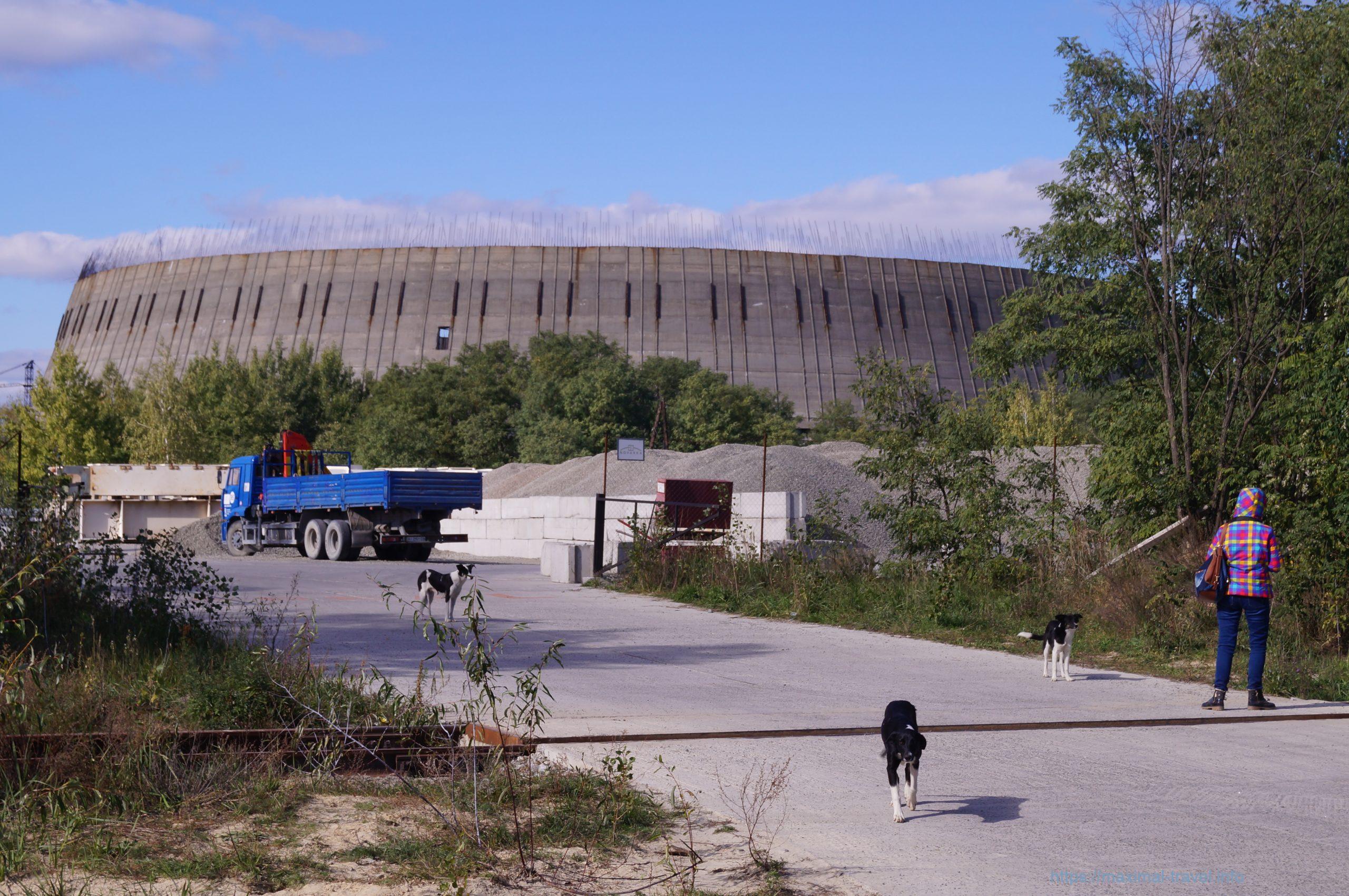
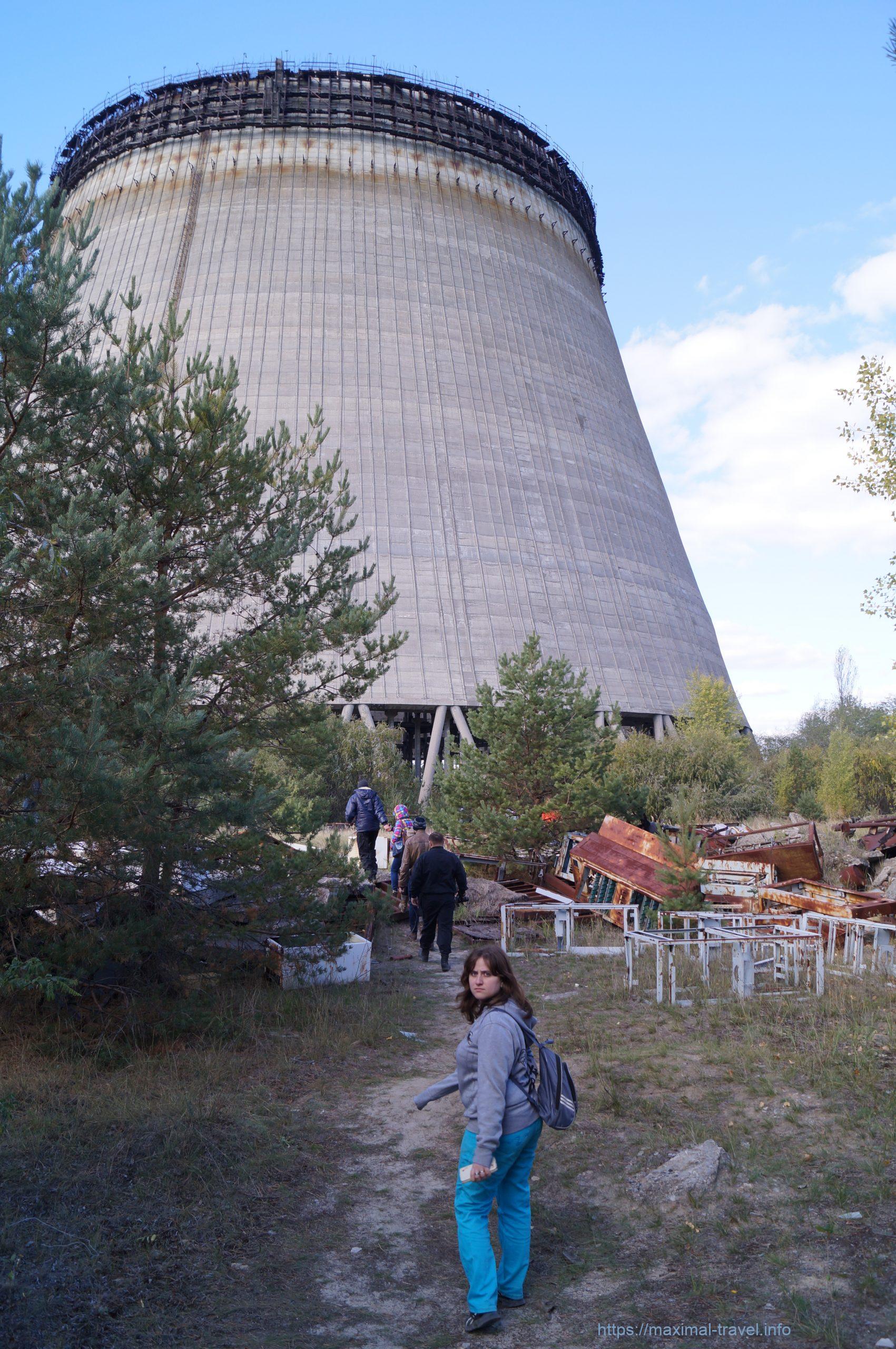
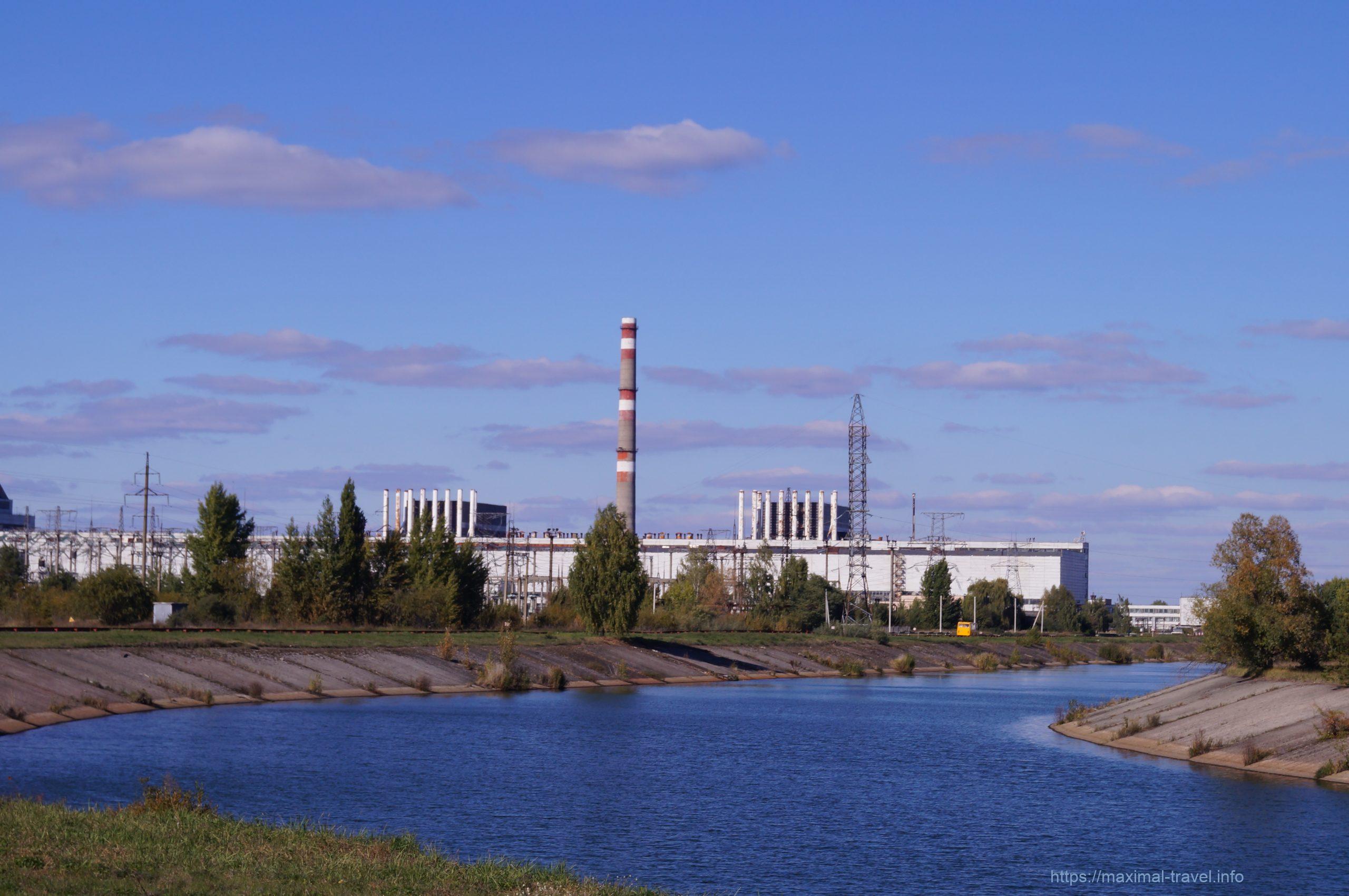
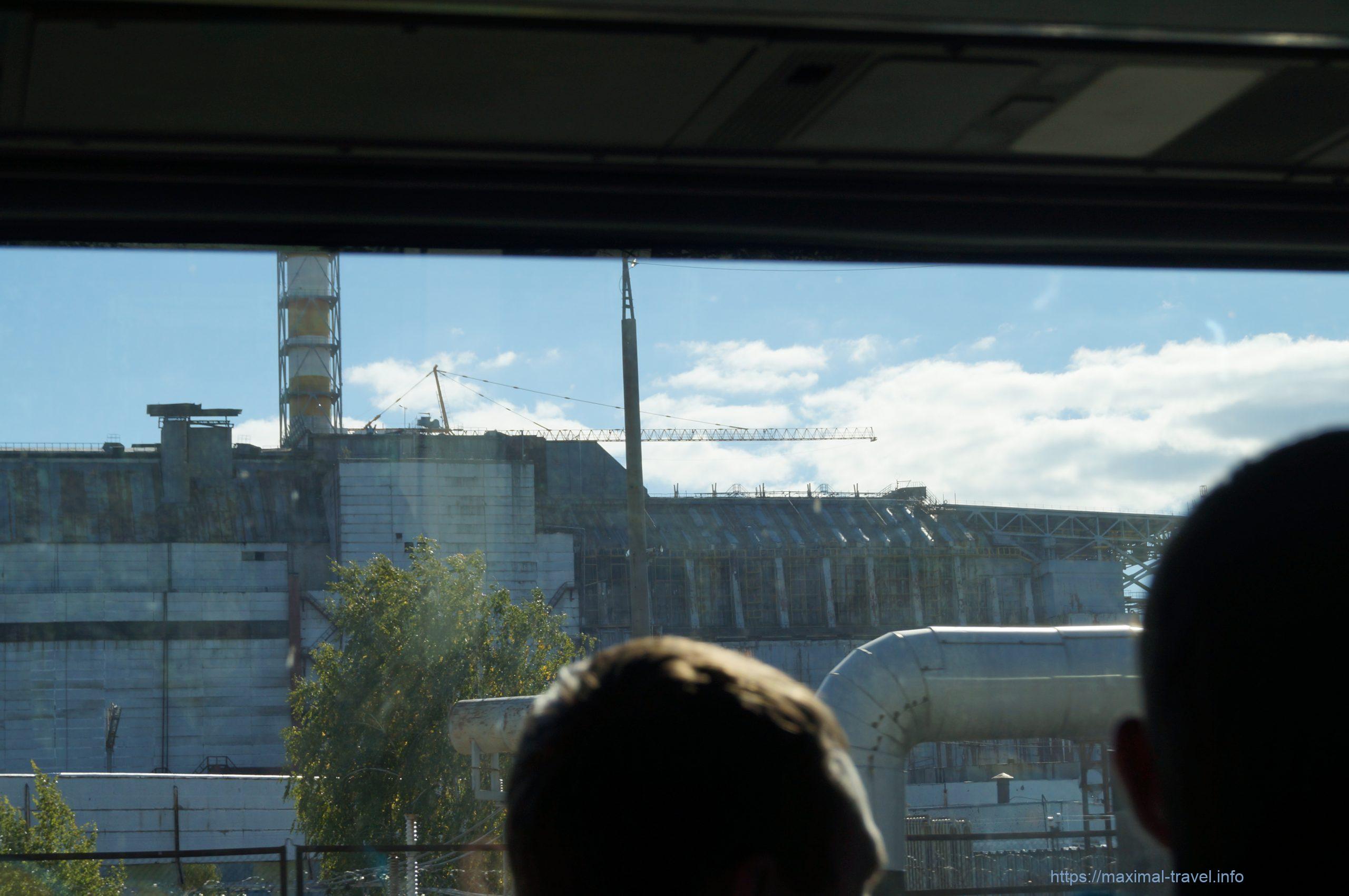
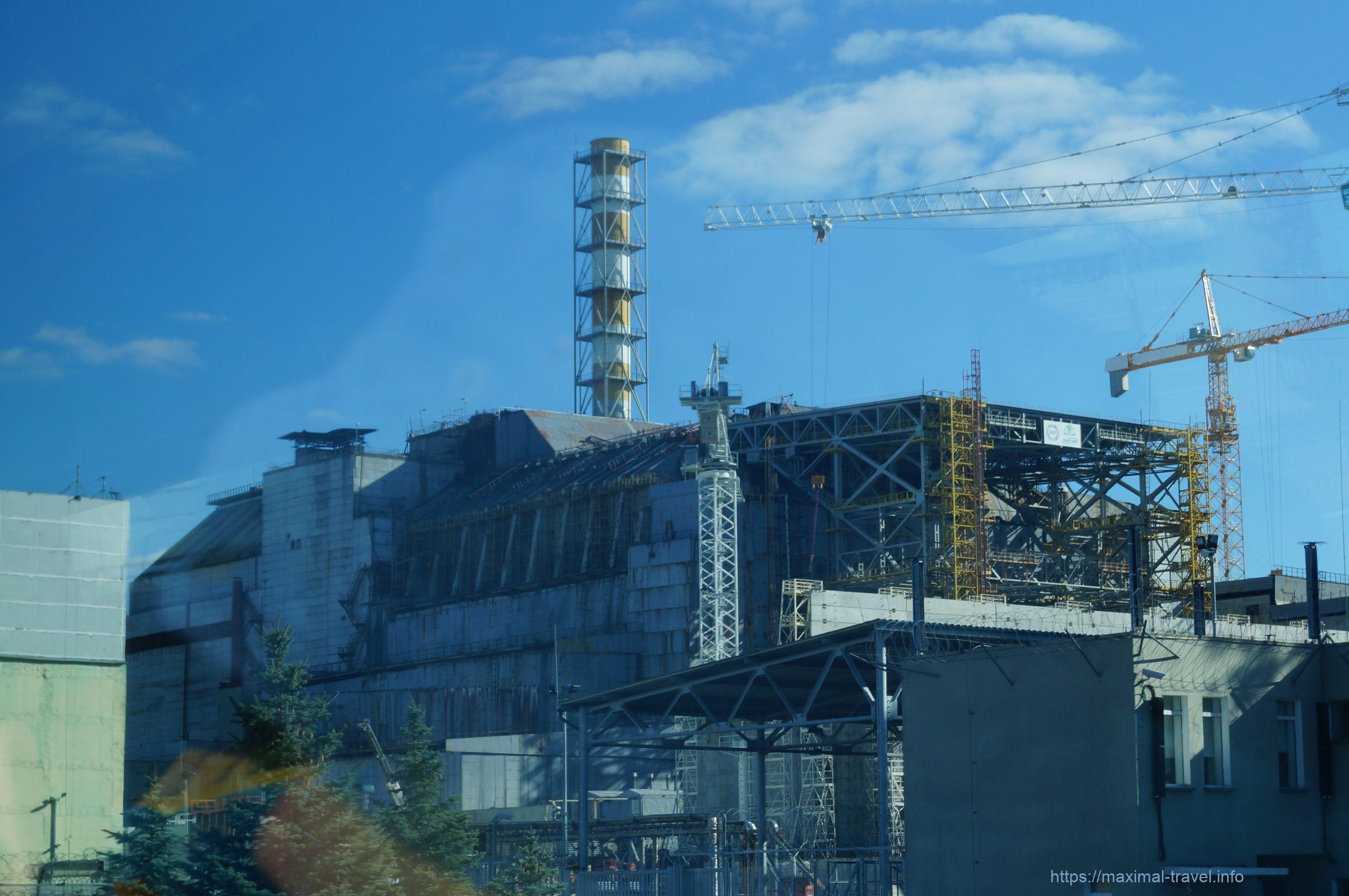
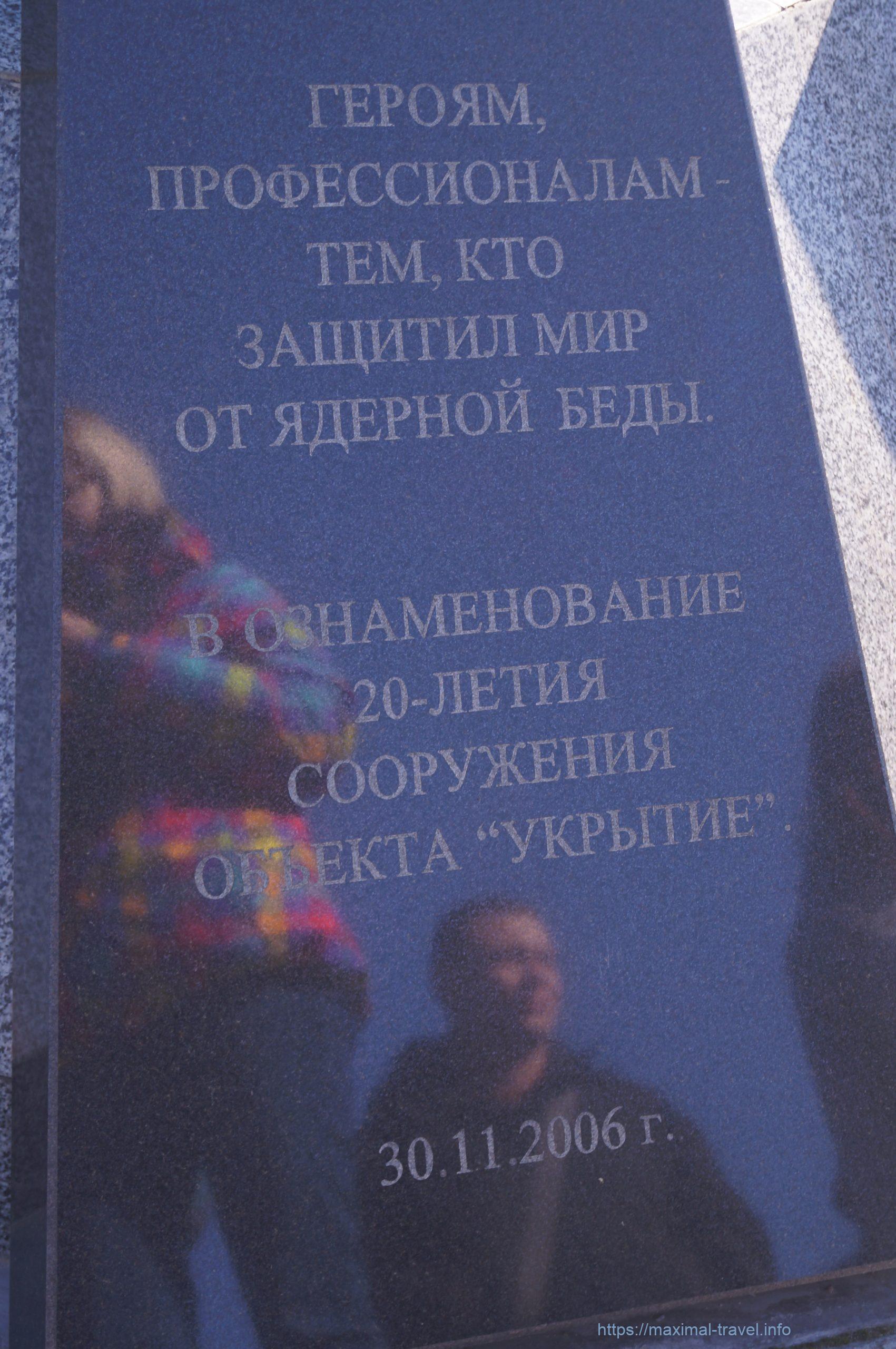
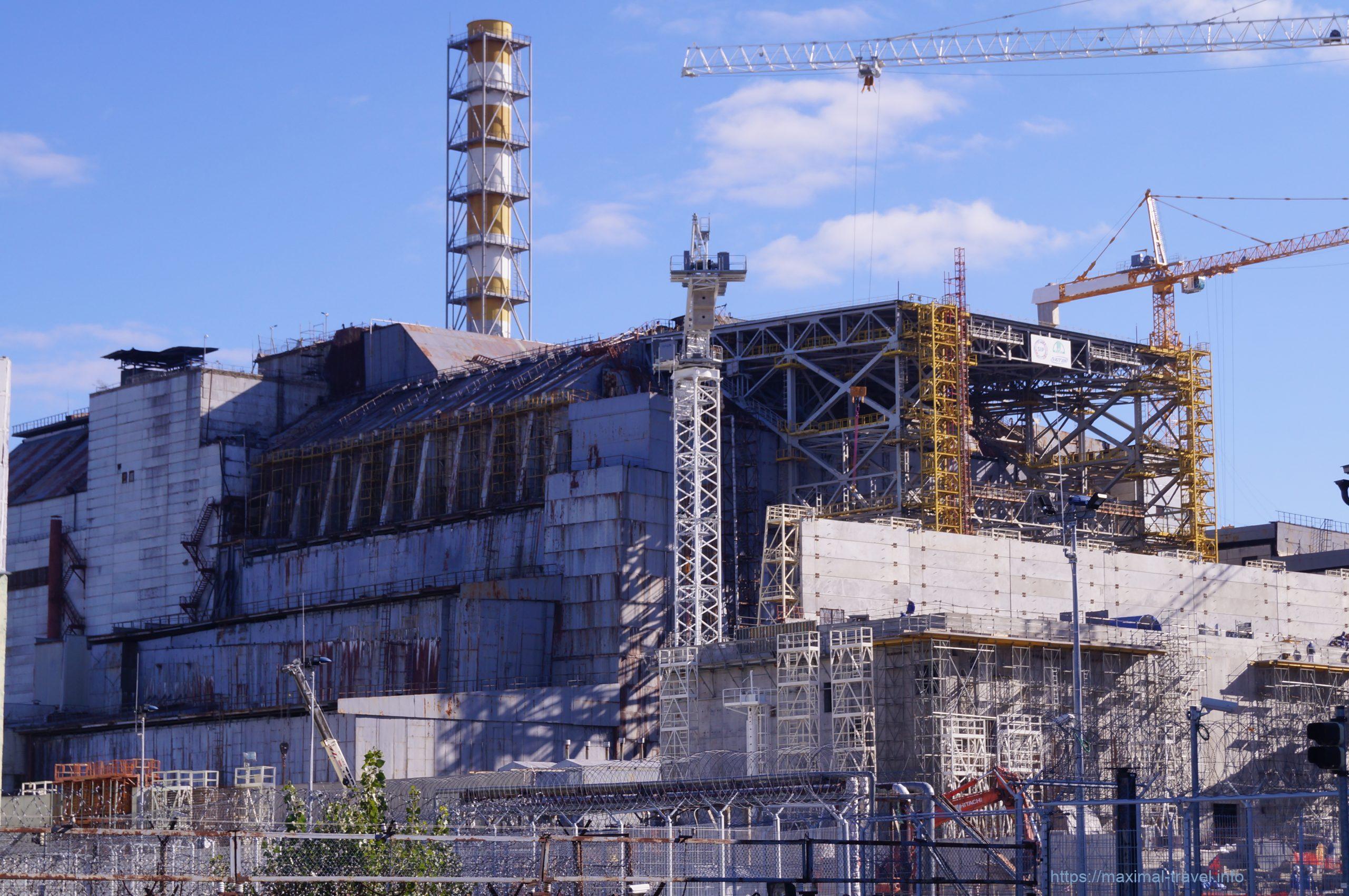
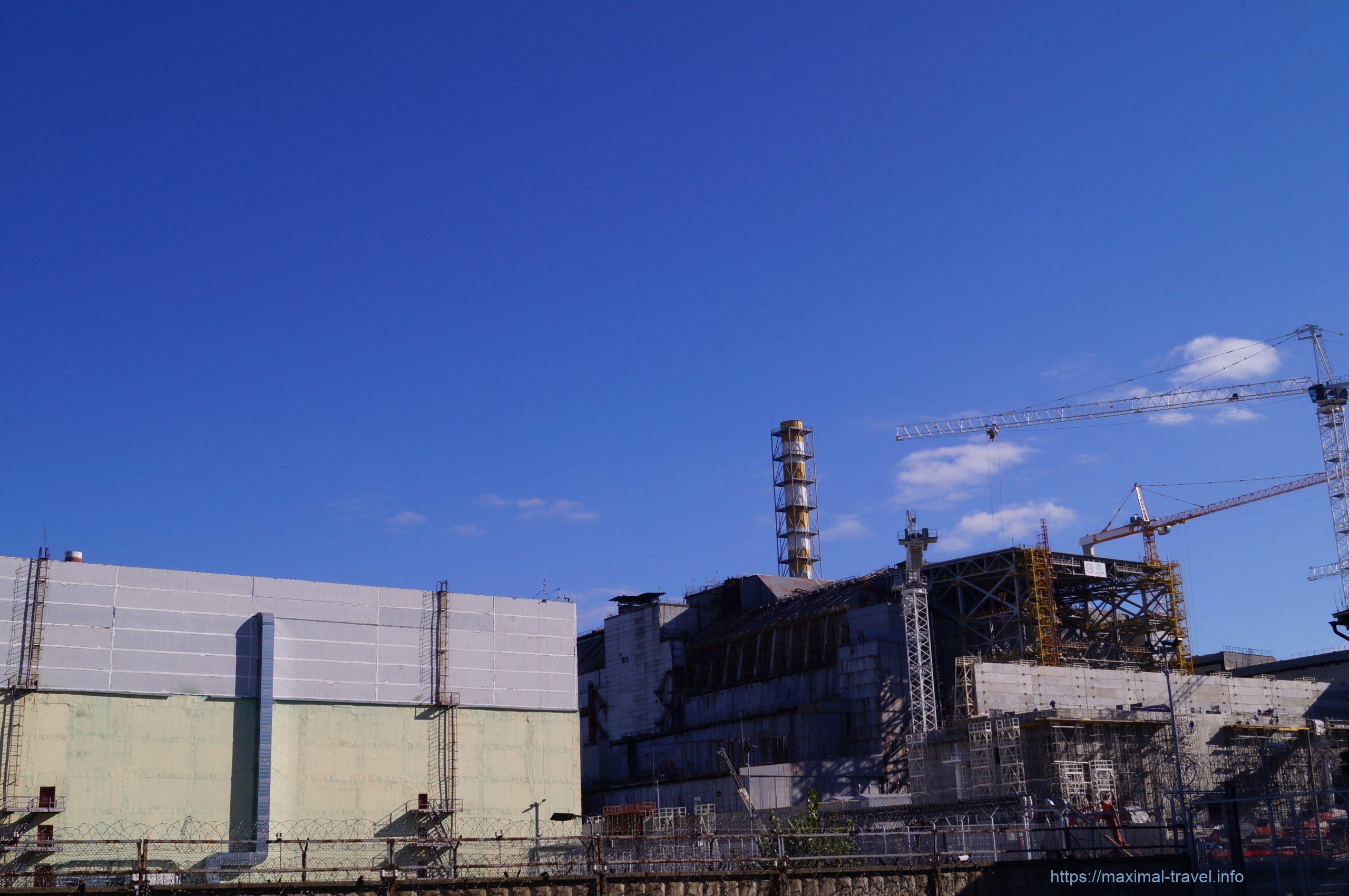
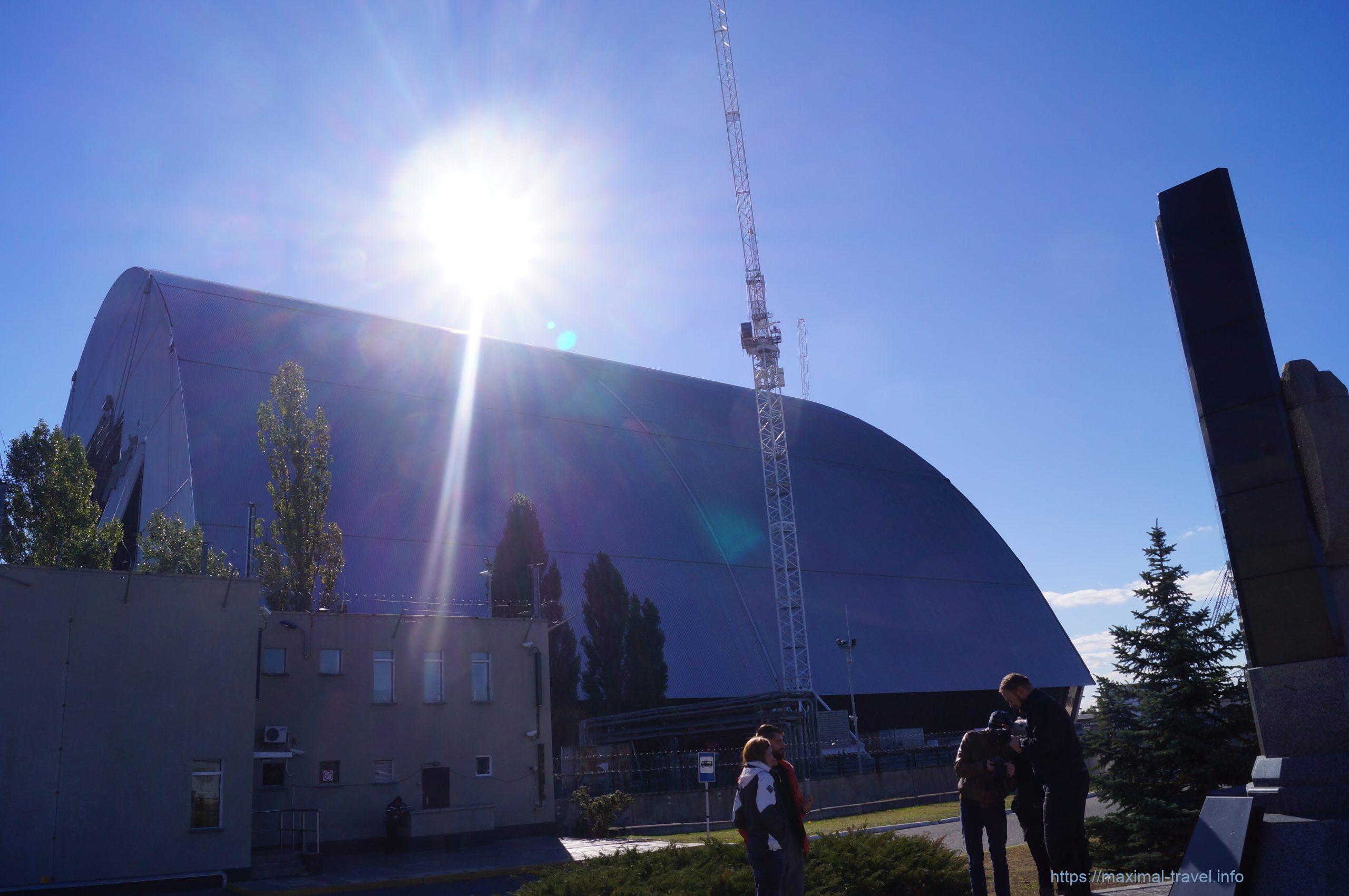
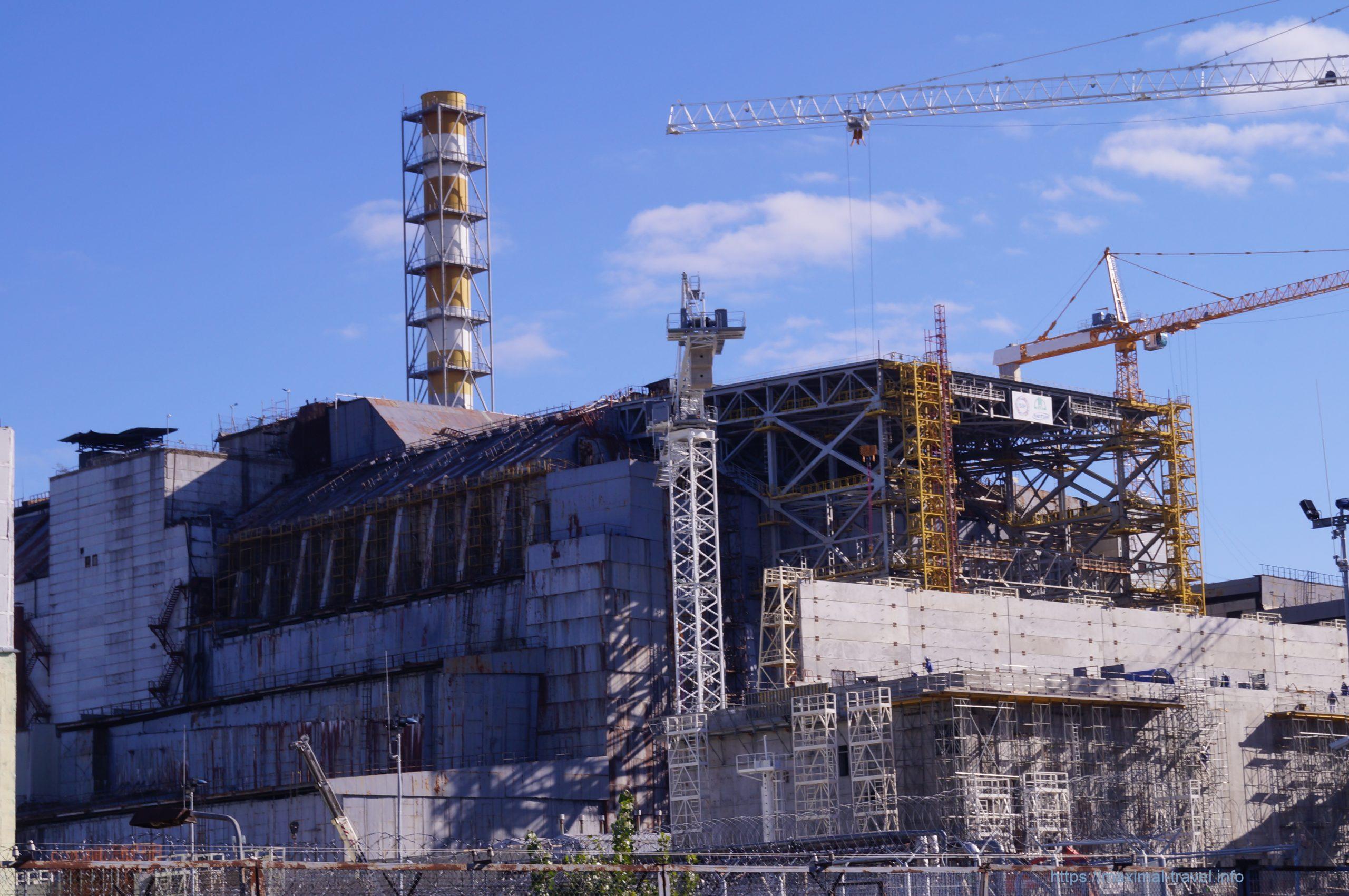
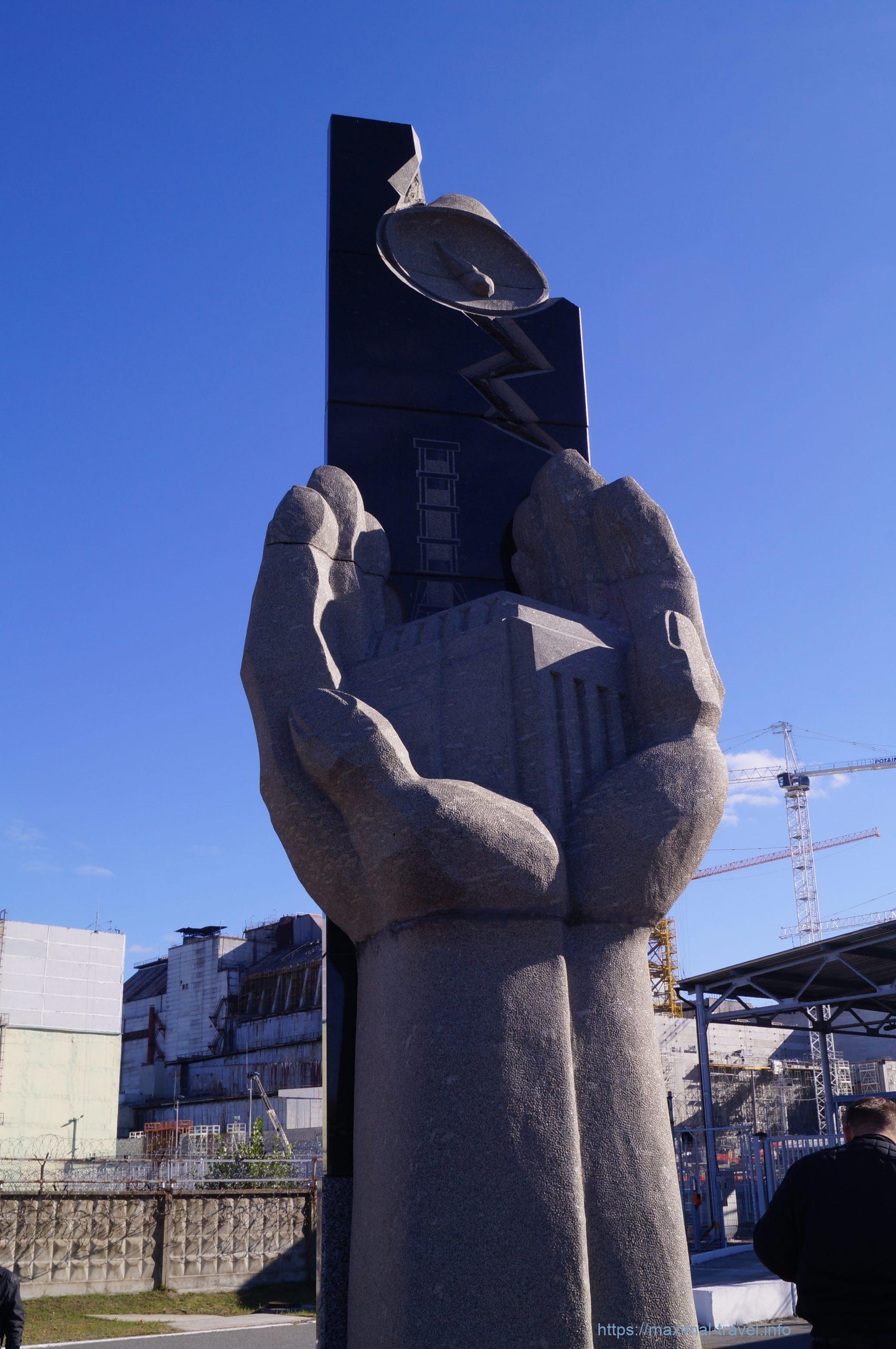
We also visited the cooling pond, where we fed huge catfish with bread. After lunch at the Chornobyl canteen (a so-so lunch: thin soup, sauerkraut salad, mashed potatoes and kompot — but unfortunately there’s no choice, as there are no cafés or restaurants here) we continued to the plant itself, or rather to Reactor No. 4. Near the administrative building, where people work to eliminate the consequences of the accident, there is a memorial. From the viewing platform there you can clearly see the “Shelter” (“Sarcophagus”) and the newly built New Safe Confinement (the “Arch”).
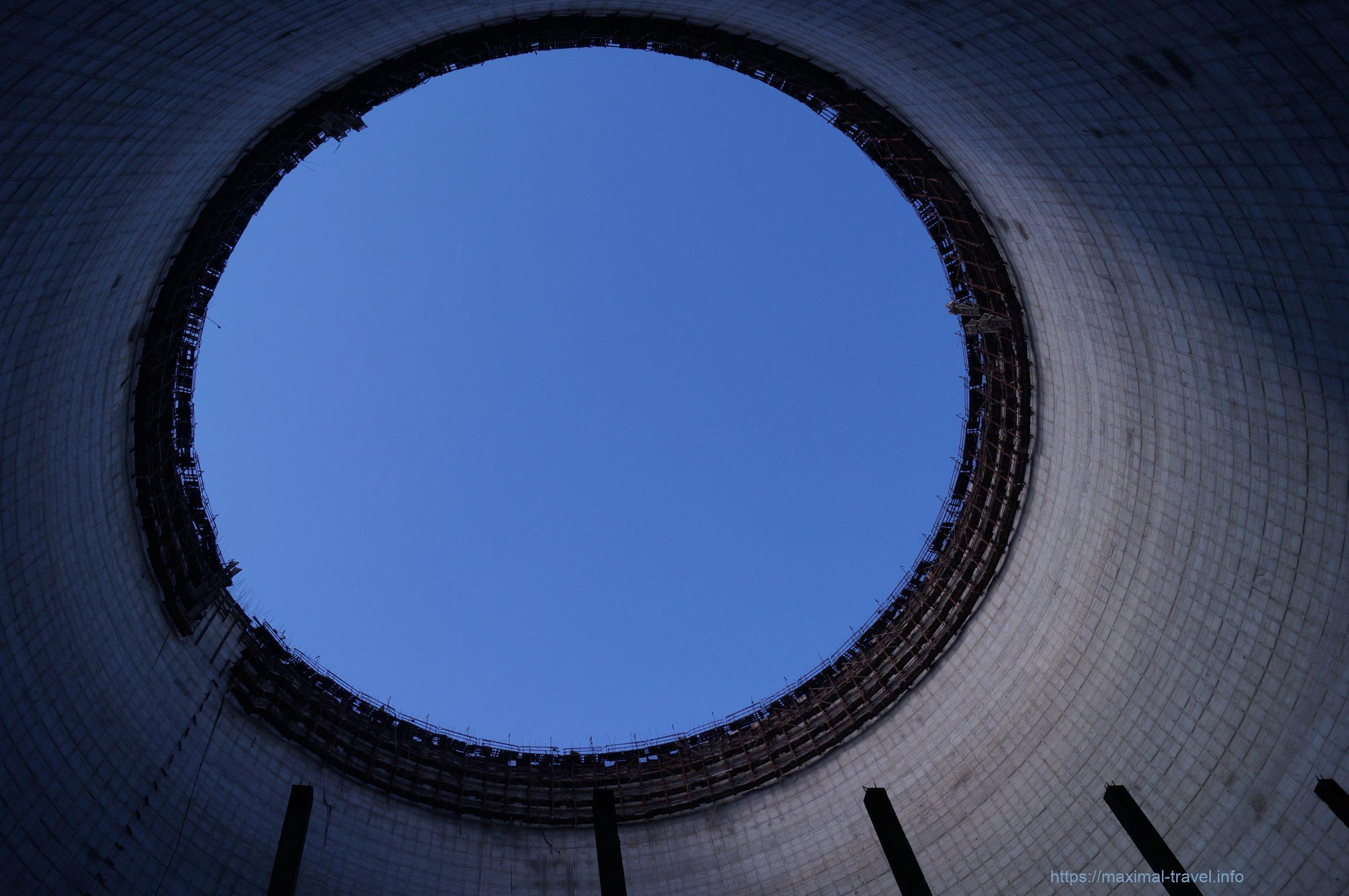
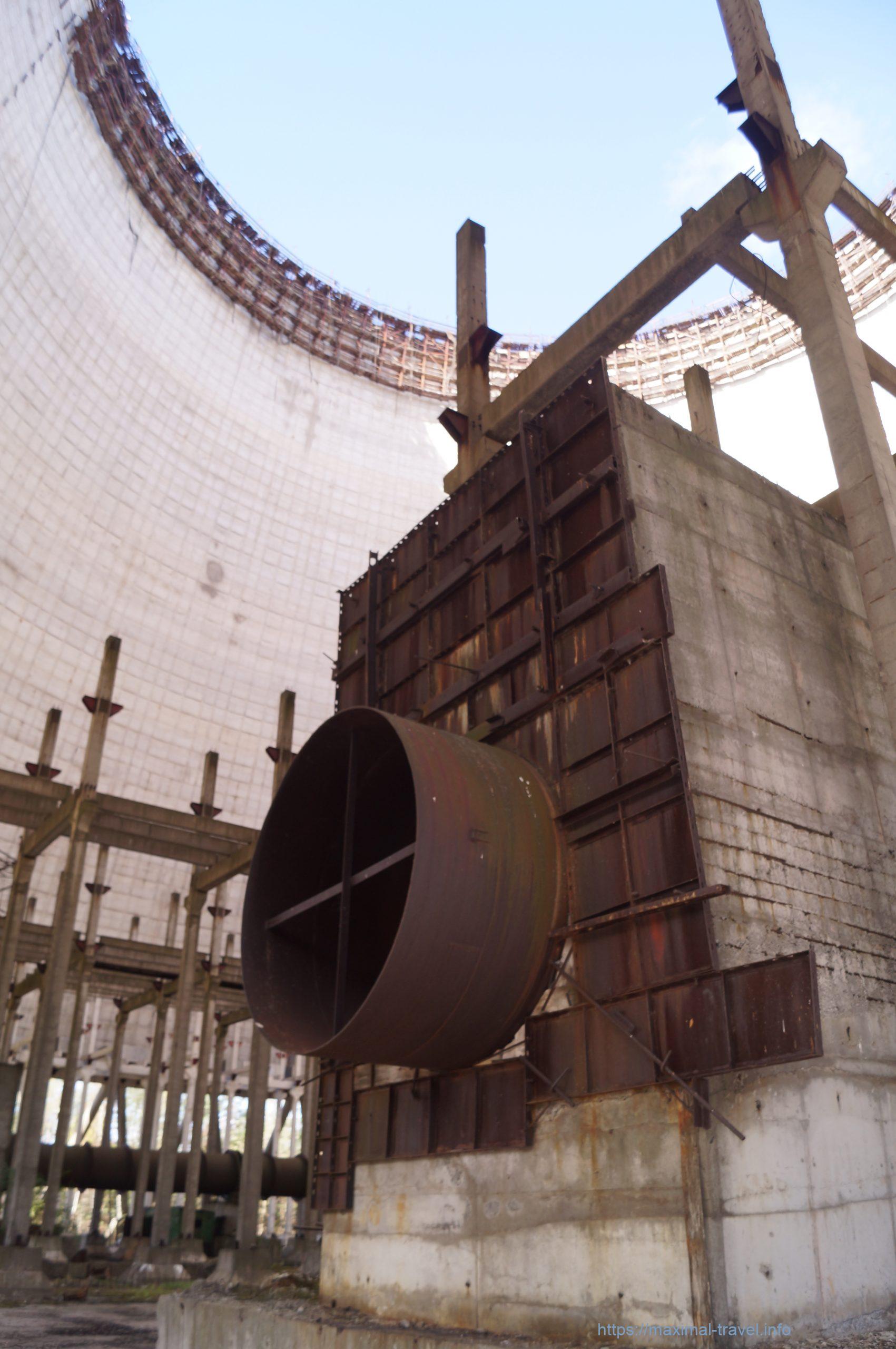
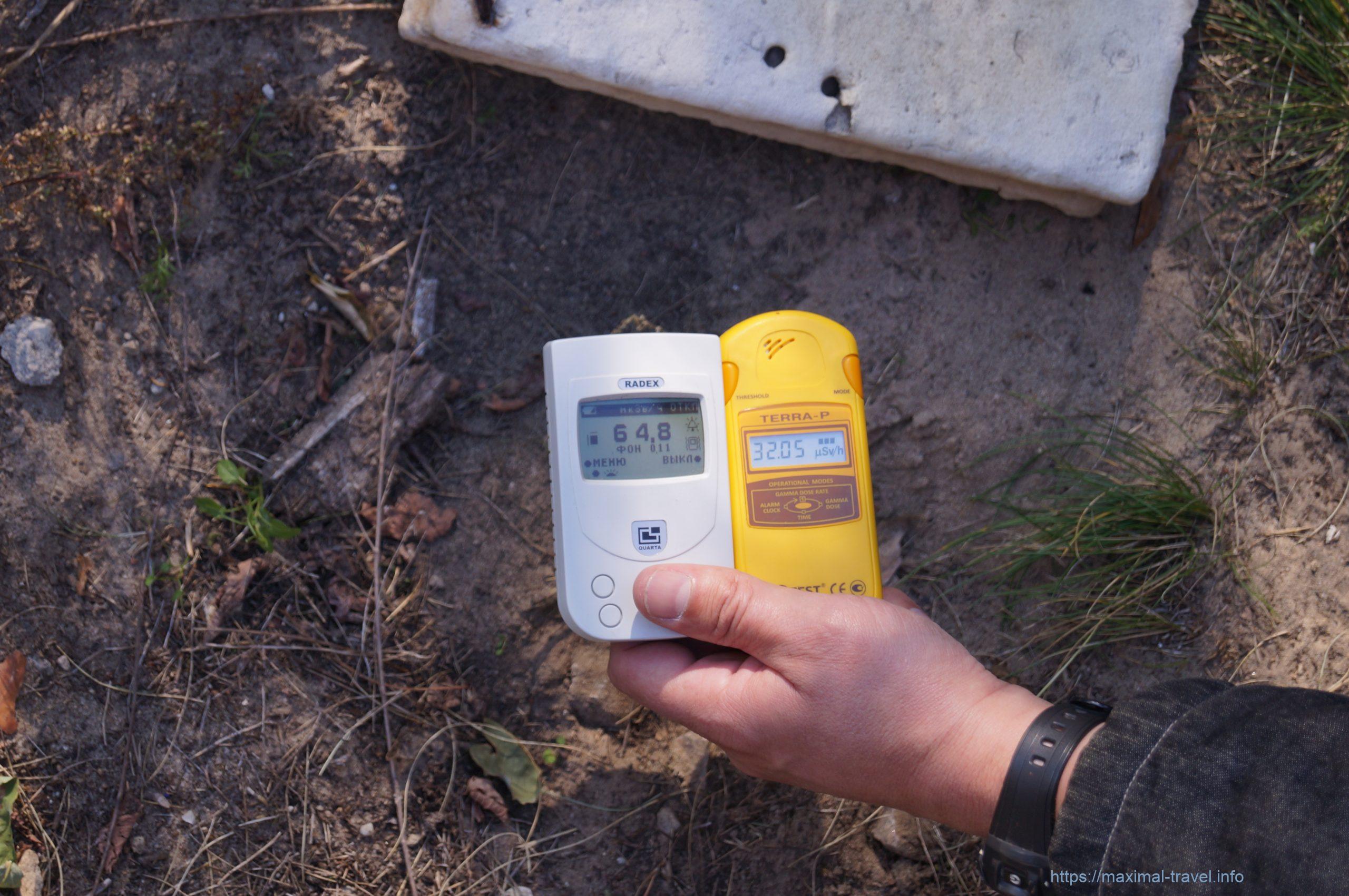
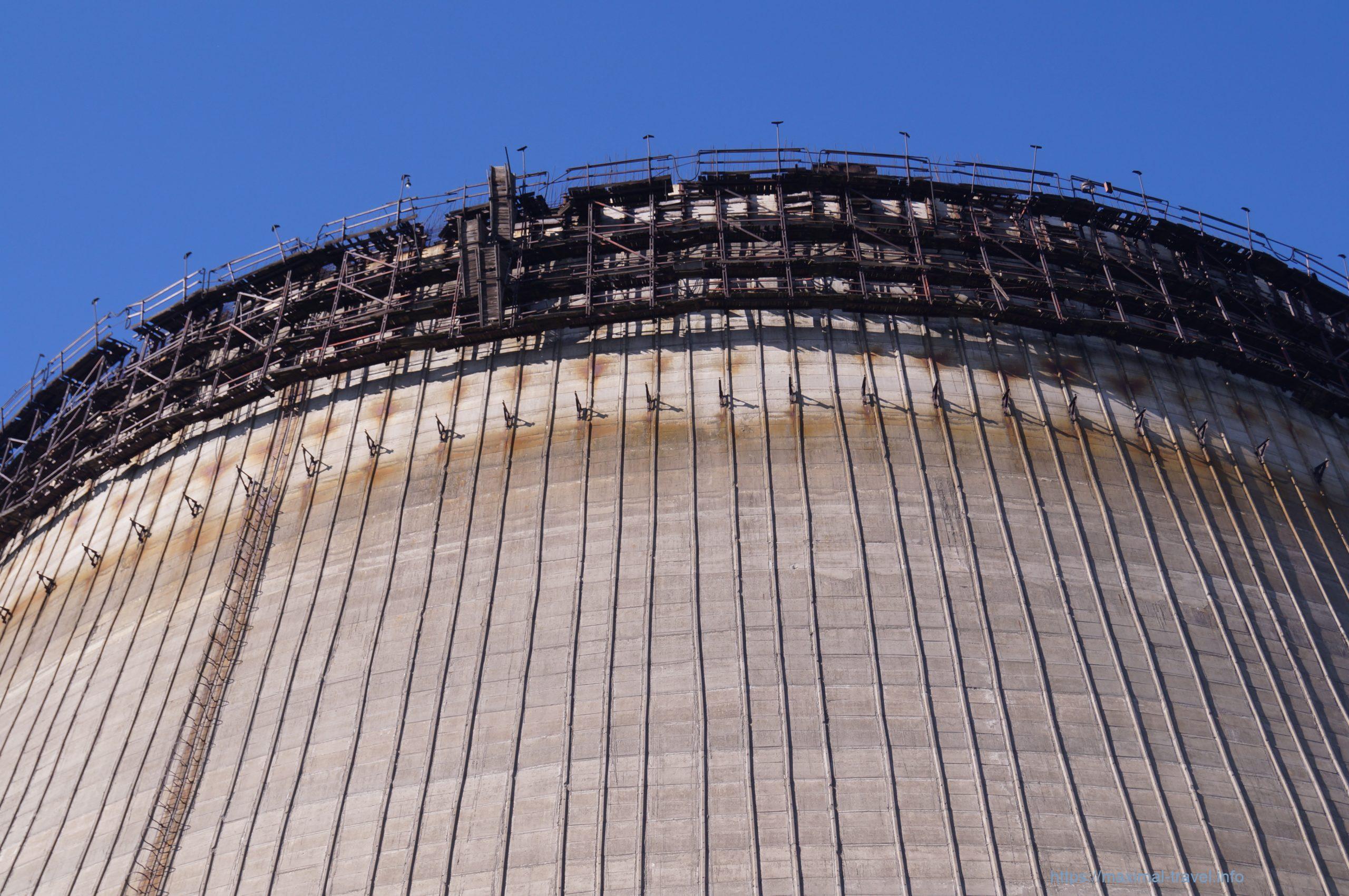
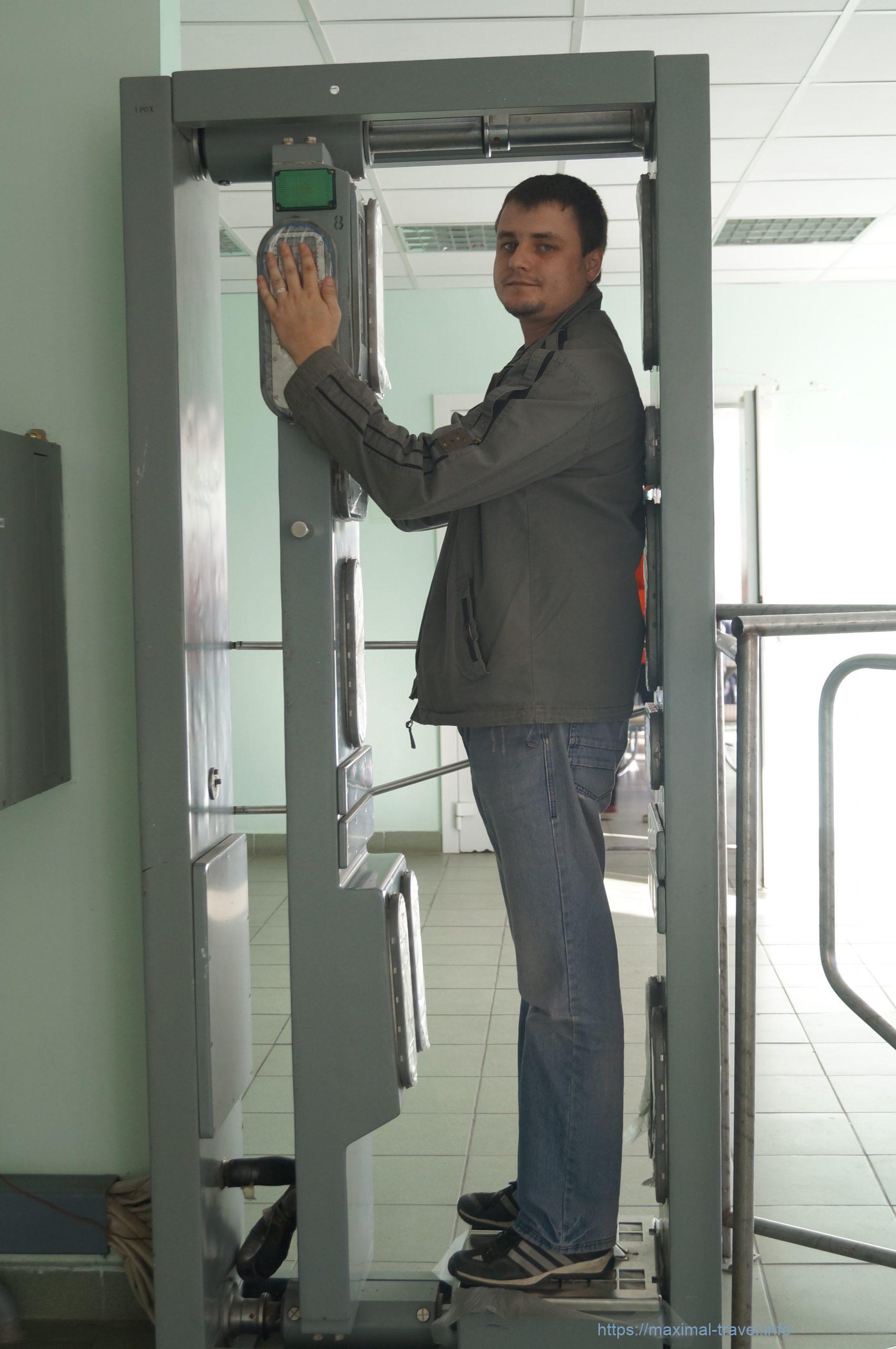
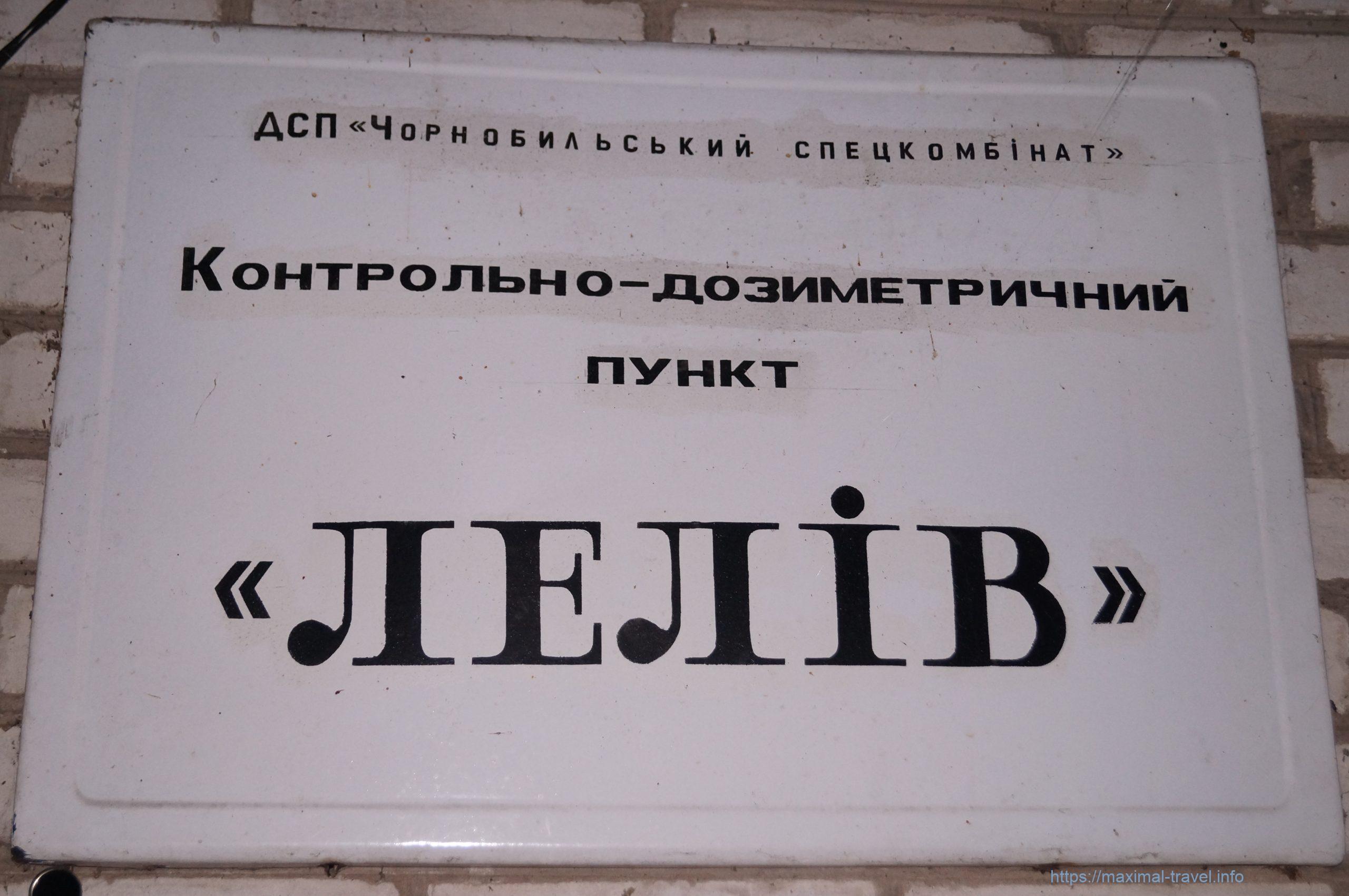
Return to Chornobyl, radiation control at the Leliv checkpoint and radiation control on leaving the Exclusion Zone at the Dytiatky checkpoint.
All in all, a sea of impressions: Chornobyl shows us how terrible human error can be and how strong nature is, having managed to adapt to such a difficult situation.
Read more articles about my travels in Ukraine.
Your comments