
Excursions in Tanzania (Zanzibar). In this article I’ll tell you about the pros and cons of Zanzibar excursions, as well as the prices and where to book them. Before our trip to Zanzibar I read a huge amount of information online about excursions in Tanzania and on Zanzibar itself. The prices were impressive, and after landing on the island I was, unfortunately, disappointed by the prices. But don’t close the page — read on, it gets more interesting…
A map of the excursions in Tanzania (Zanzibar), with points for the places we visited, is at the end of the article.
From the list of excursions I picked out the 3 most interesting for me:
Safari Blue (a sea trip) with visits to a vanishing island, a coral reef, Kwale Island and a lagoon with mangroves. (More details below.)
Stone Town (the only town on the island) + Turtle Island (Prison Island) + a vanishing island (Nakupenda Island) (another one).
Jozani Tropical Forest + a spice garden.
Excursion prices in Tanzania:
The owners of Hotel Nungwi, which I’ll tell you about in a separate article, are Russian.
They offered their own prices for excursions in Tanzania and emphasised the Russian-speaking guide (that didn’t matter to us). These are the prices they quoted:
Stone Town + Turtle Island + Nakupenda — $75 per person,
Nakupenda for the whole day — $75 per person,
Mnemba without a guide or meals (an island near which you may see dolphins) — $40 per person,
Safari Blue — $80–85 per person without meals.
Beach boys walk along the beach, also offering excursions in Tanzania. Their prices are slightly better than at the hotel — for example, Mnemba for $50–55 with a meal.
Stone Town, Turtle Island and Nakupenda — $55–65 per person.
A little upset by the prices, I was drowning my sorrows at the Baraca restaurant (as always, restaurants and food will get a separate article) when a young man from Russia came up and asked us to drop into the office next door after lunch to talk about excursions. Honestly, after a pile of offers at roughly the same prices, I was sceptical and would most likely not even have gone to that office. 20 minutes later he came up again and offered to send us the price list via Viber. We agreed, and when I got the price list, I gasped at the prices.
Dmytro offered us these prices:
Safari Blue ? (a sea trip) — $35 per person with a full seafood lunch, plus fruit on the island + drinks (cola, Fanta, Sprite and water throughout the excursion),
Stone Town (the only town on the island) + Turtle Island (Prison Island) + a vanishing island (Nakupenda Island) (another one) — $35 per person with a full seafood lunch, plus fruit on the island + drinks (cola, Fanta, Sprite and water),
Jozani Tropical Forest + spice garden — $40 per person without meals,
Mnemba Island (dolphins and snorkelling) — $20 per person,
Safaris in Tanzania’s national parks — from $190 per person.
In short, we didn’t even haggle with Dmytro and decided to book our excursions with him — although I’m sure he could have knocked off a little more.
A link to contact Dmytro: I won’t provide it, because he’s Russian.
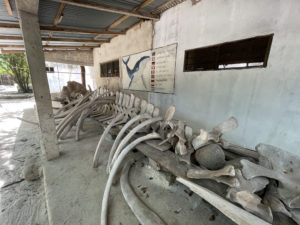
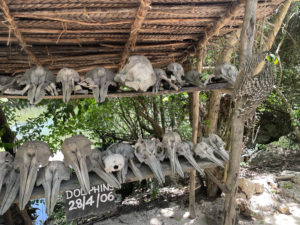
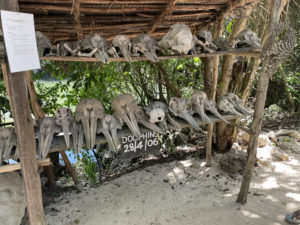
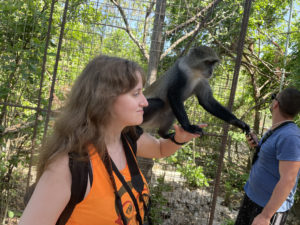
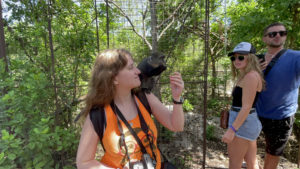
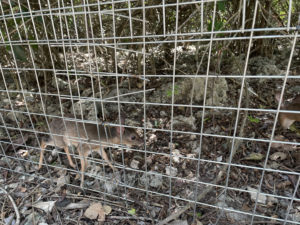
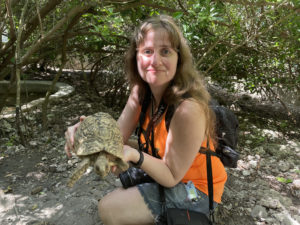
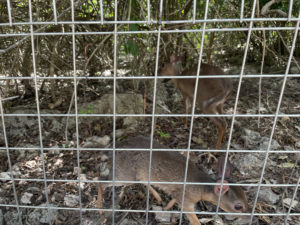
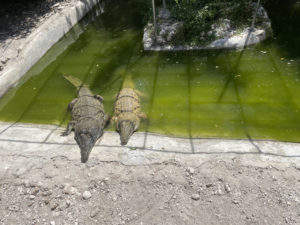
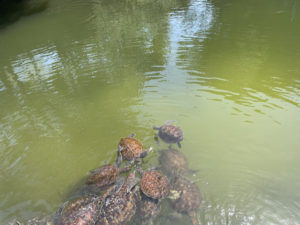
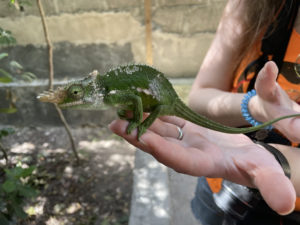
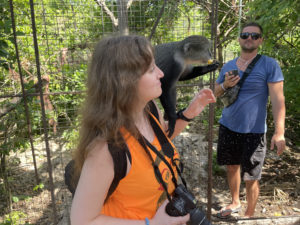
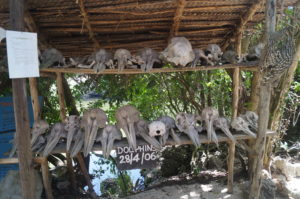
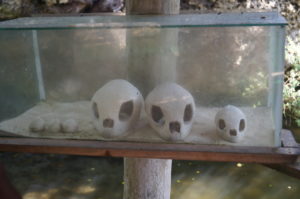
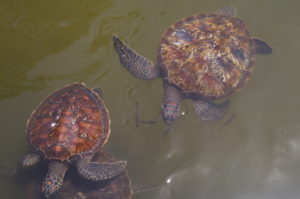
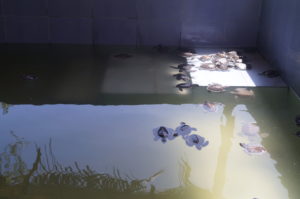
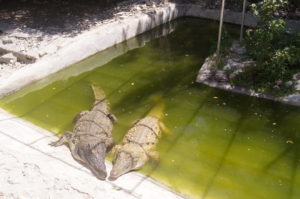
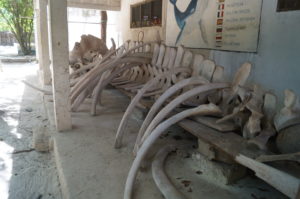
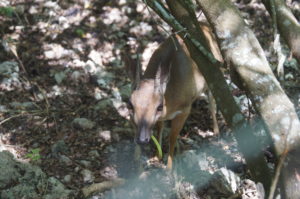
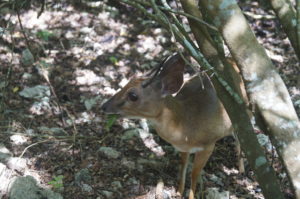
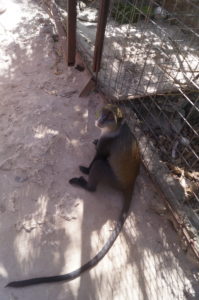
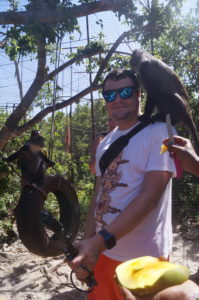
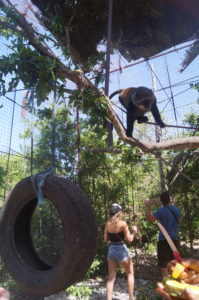
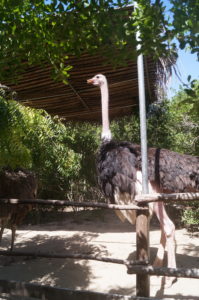
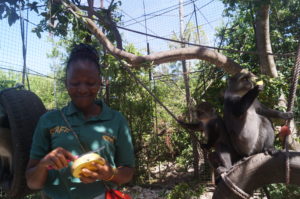
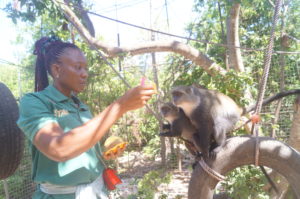
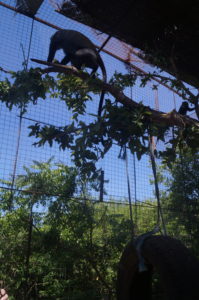
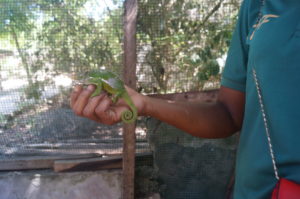
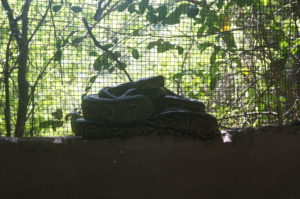
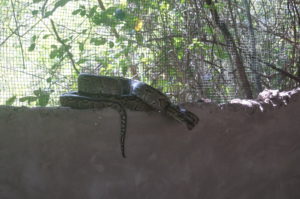
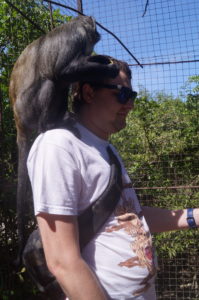
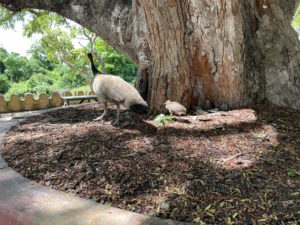
First of all, we decided to go to the turtles at the “Nungwi Mnarani Aquarium” and to the zoo “Zanzibar Kilosa’s Conservation“, not far from our hotel — about 2 km. I’ll mark them separately on the map. Entry to both the zoo and the turtles costs $10 per person or 20,000 Tanzanian shillings; given the exchange rate, it’s cheaper to pay in shillings. The zoo is small but cosy. There you’ll see and feed big African ostriches, look at a python, see a chameleon and even hold it in your hands. You’ll also go into the monkey enclosure and definitely feed them mango; a little further on you’ll see dwarf suni antelopes. You may manage to lure them with leaves and even stroke them. Then you’ll look at the crocodiles — unfortunately, they don’t let you stroke those. And that’s the zoo. With the turtles it’s even simpler: they’ll show you tiny turtles, then take you to see big turtles and fish, then give you leaves to feed the turtles, and you can also swim with them in the lagoon. Afterwards you walk up a little to the exit, and to the right of the exit you’ll see the remains of dolphins, a whale and turtles after various disasters — and that’s all.
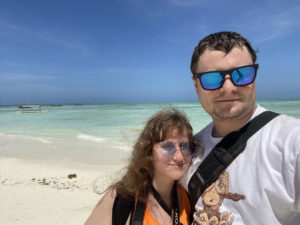
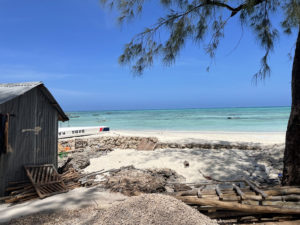
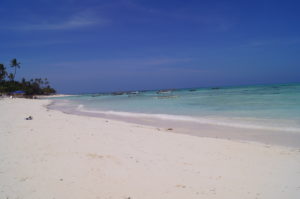
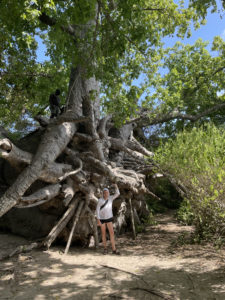
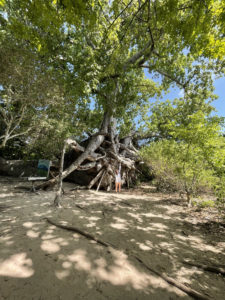
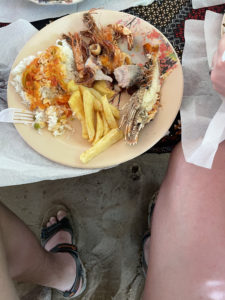
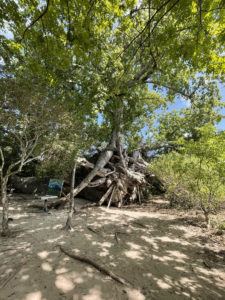
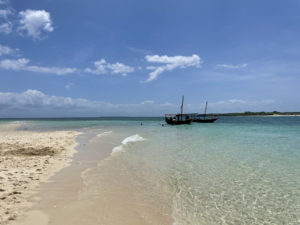
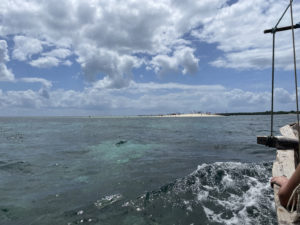
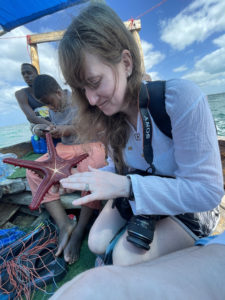
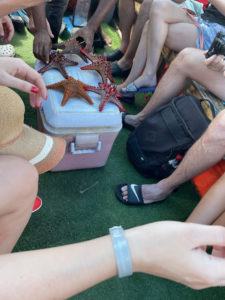
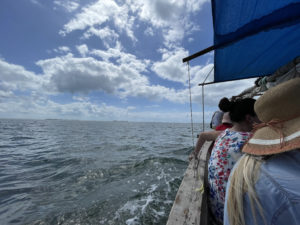
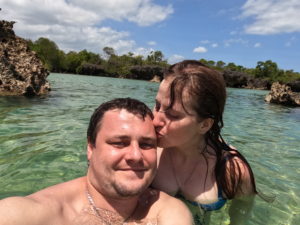
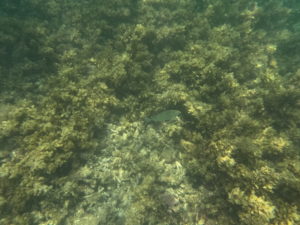
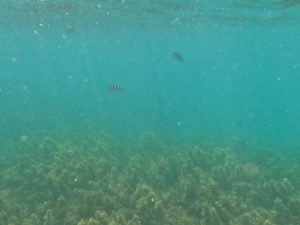
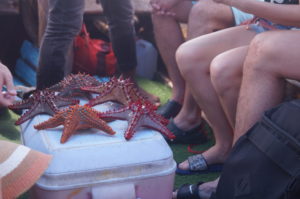
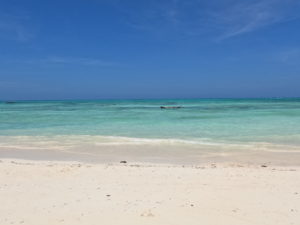
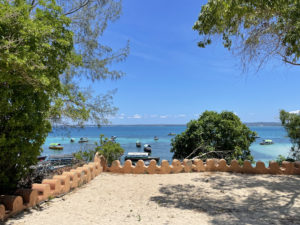
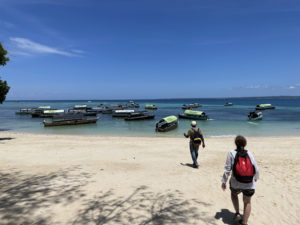
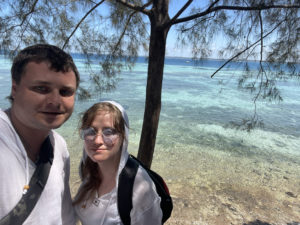
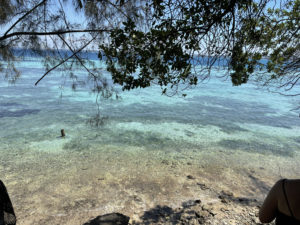
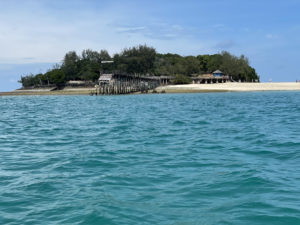
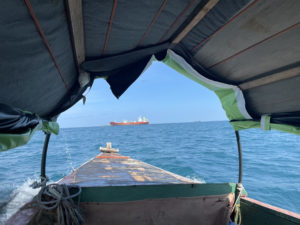
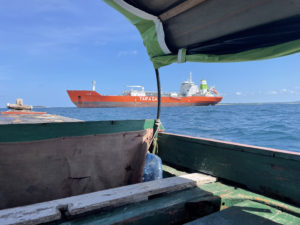
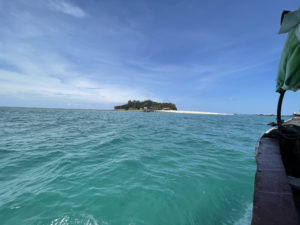
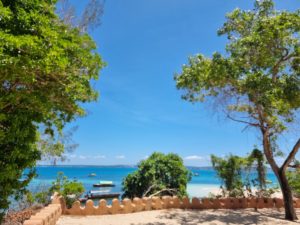
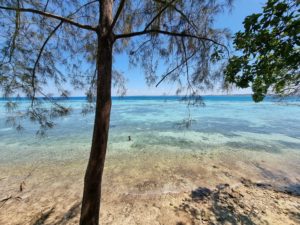
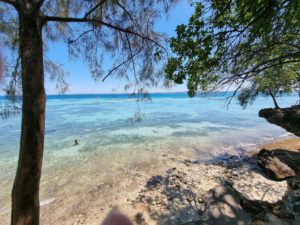
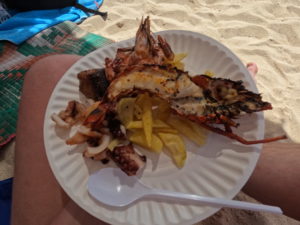
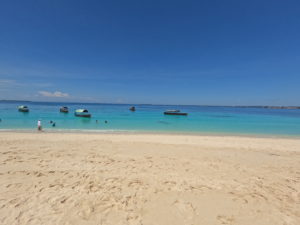
After that, our excursions in Tanzania (on Zanzibar) went according to plan. We started with Safari Blue. We were driven in a small, comfortable air-conditioned minibus (it was the same kind of minibus on all the excursions) to the village of Fumba, where we were transferred to a boat and sent on to the islands. Right there in the boat they put a crate of cold drinks included in the excursion (cola, Sprite, Fanta, water). After 20–30 minutes we reached the vanishing island, where the guide and the boat’s captain put up a sunshade and started cutting fruit (watermelon, coconut, pineapple, mango). We, in turn, took photos, snorkelled and admired the beauty (PS: beer on the island is 10,000 shillings). We were on the island for about an hour, maybe an hour and a half. Next we reached the reef, where we snorkelled among beautiful fish. (Fins, a mask and a snorkel could be taken for free before boarding the boat.) Then we headed to Kwale Island, on one side of which we swam and took photos in a lagoon with mangroves. Then you sail off and land on the beach of the same island and go to lunch, where you’ll be served slipper lobsters, prawns, squid, octopus, rice with curry sauce and French fries. After lunch you’ll have 15–20 minutes of free time; you can do some shopping, but everything on the island is expensive… Beer, again, is 10,000 shillings; they also offer coffee, but I didn’t ask the price. Then you head to a huge fallen baobab from which new ones have started to grow. According to local legend, this baobab is over 1,000 years old. Its trunk is about 5–6 metres thick by eye. Locals will be selling cosmetics next to it, and you’ll also find baobab fruit, very tasty… That’s actually the last stop, after which you get back into the boat and head back. On the way you’ll notice that the vanishing island has become 5–6 times smaller than when you were on it. IMPORTANT ☝️ Be sure to bring sunscreen with you — the higher the SPF, the better — and don’t forget to put it on, ideally reapplying at every stop!
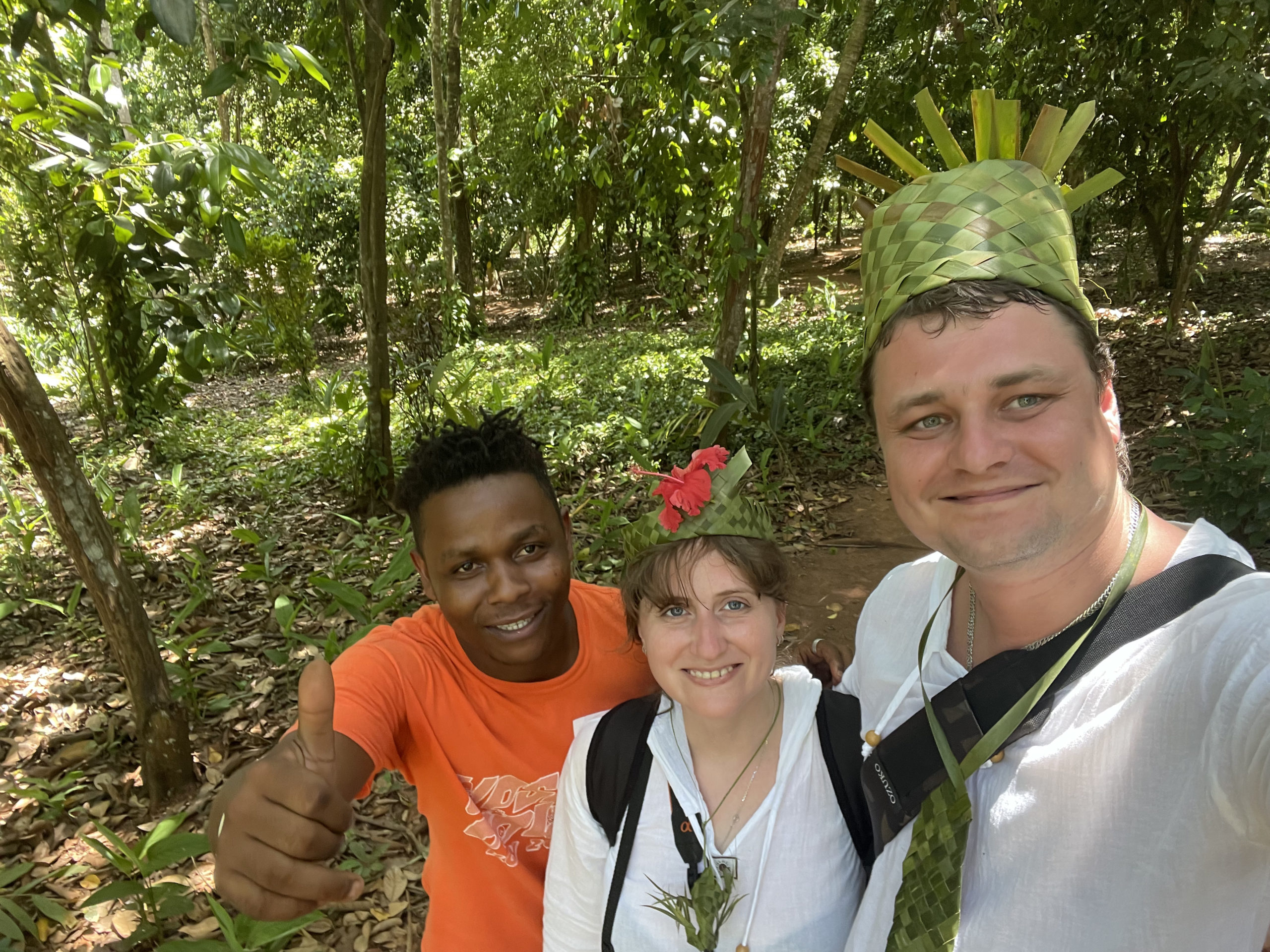
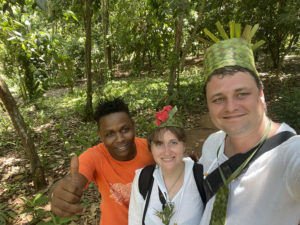
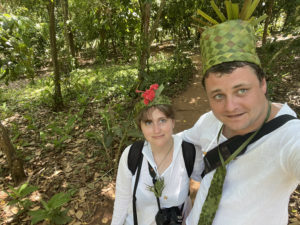
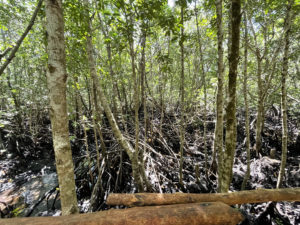
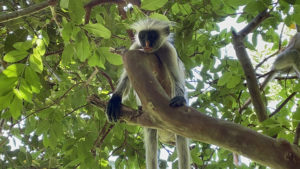
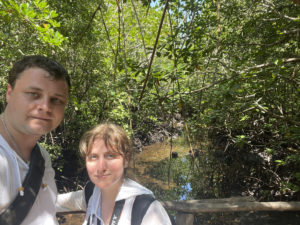
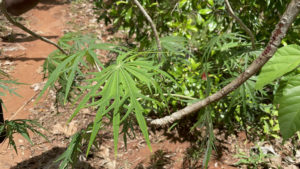
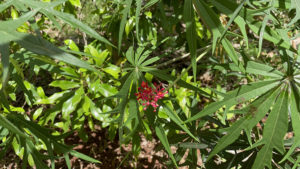
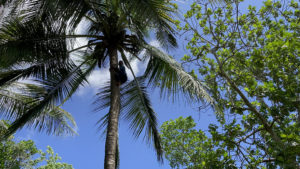
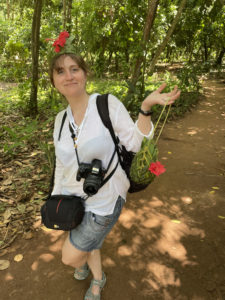
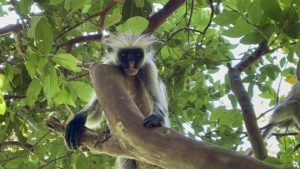
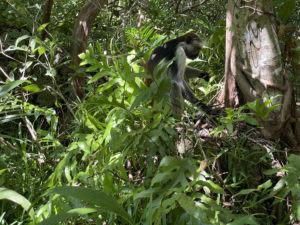
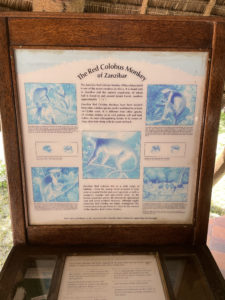
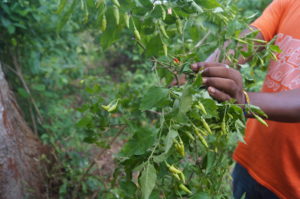
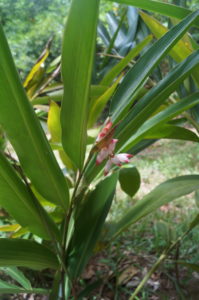
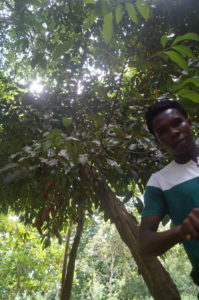
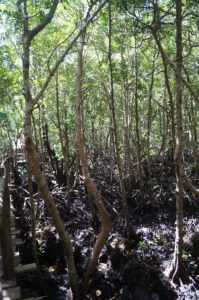
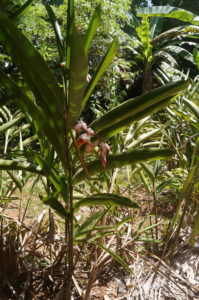
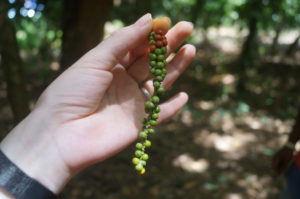
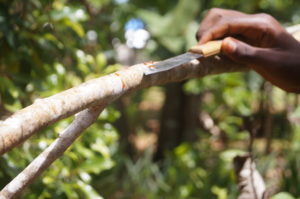
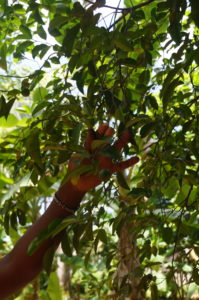
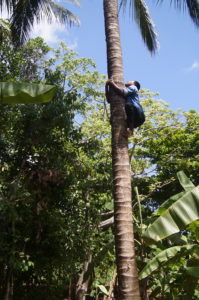
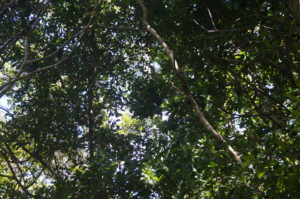
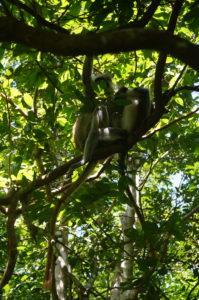
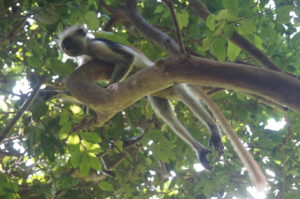
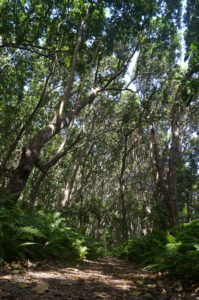
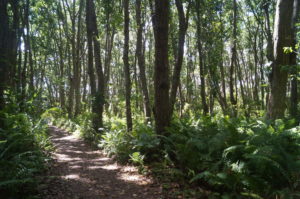
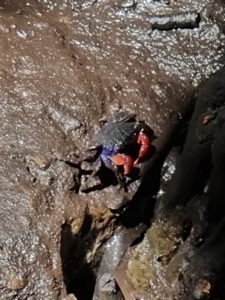
Our next excursion was Jozani Tropical Forest + the spice garden. Apparently not enough people signed up for the excursion, and our price went up a little to $85 for two (instead of $80). But there were only two of us in the minibus and we didn’t wait for anyone; you could also pay another $10 for lunch for two, but since the excursion isn’t long, we didn’t. Since there were only 2 of us, we were offered the chance to choose the departure time ourselves — which is also nice: we slept in, had breakfast and set off. The forest is beautiful; the guide took us to a squirrel and told us about the monkeys found only on Zanzibar — the “red colobus”. He took us to where these monkeys feed, and we took plenty of photos. Then we were driven to the mangrove forest, shown its inhabitants (crabs), told how high the water rises at high tide and how they renew the infrastructure every year, given time for photos, and then we drove on to the next point — the spice garden. In the spice garden we were shown various plants that grow on Zanzibar: cinnamon, lemon, mango, banana, coconut, ginger, lemongrass, black pepper, nutmeg and much more. During the excursion you’re accompanied by a guide and his assistant. At the end of the excursion, to the national song “Hakuna Matata”, the assistant climbed a palm tree and cut fresh coconuts, then dressed us in a tie and crowns made of palm leaves and asked for a tip… After that we went to the exit, where you could buy spices, and headed home.
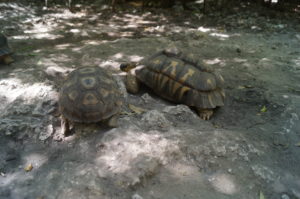
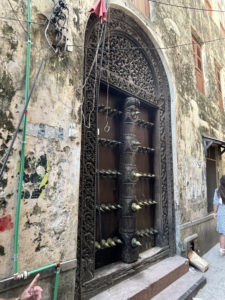
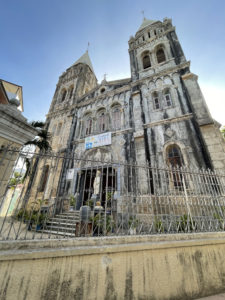
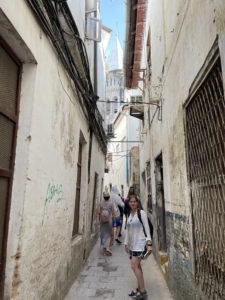
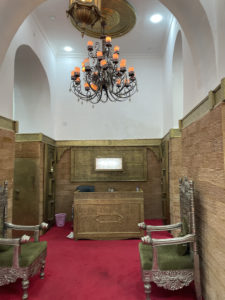
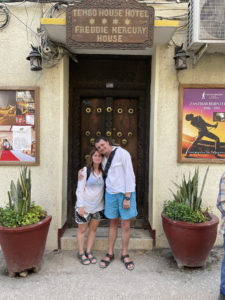
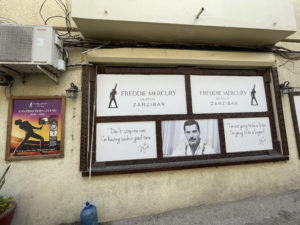
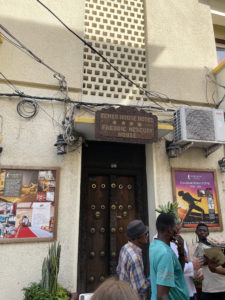
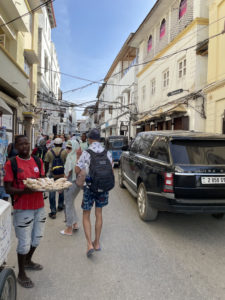
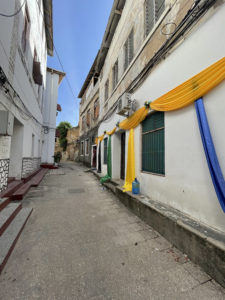
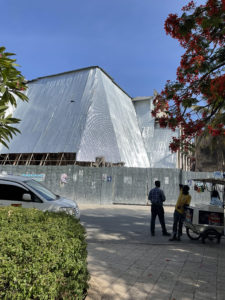
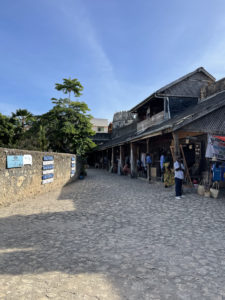
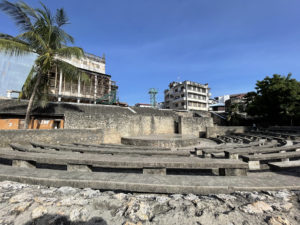
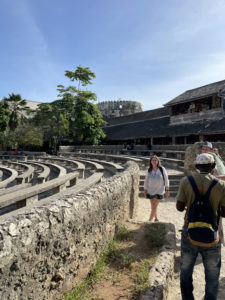
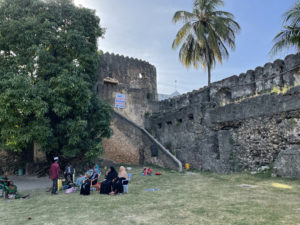
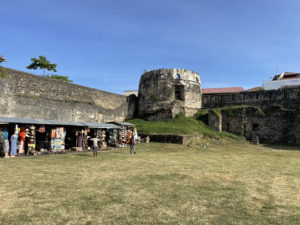
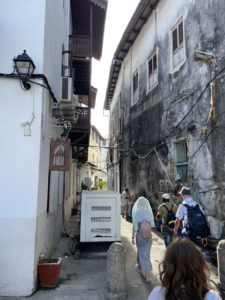
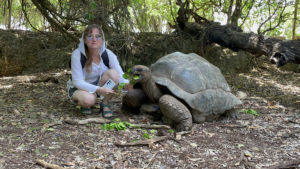
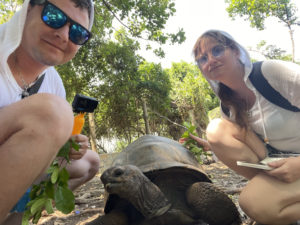
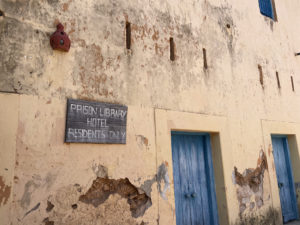
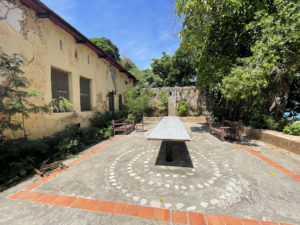
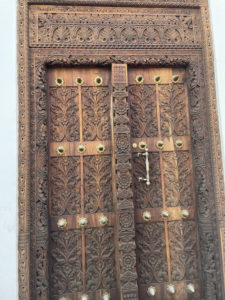
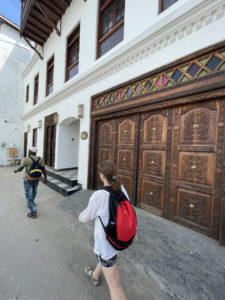
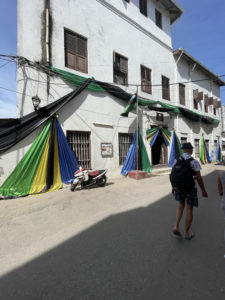
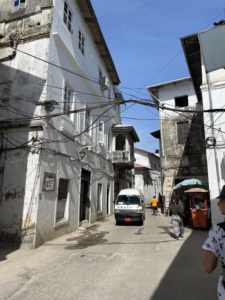
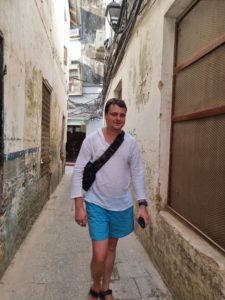
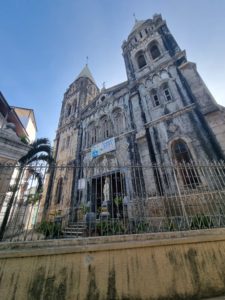
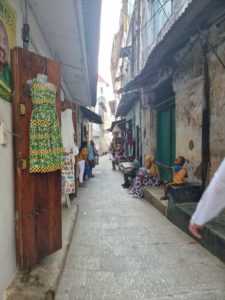
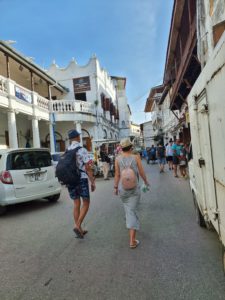
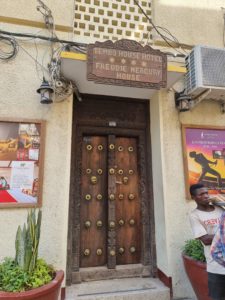
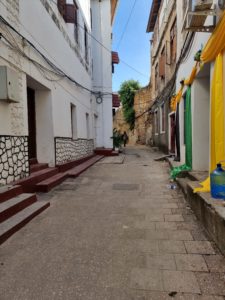
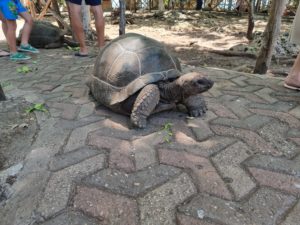
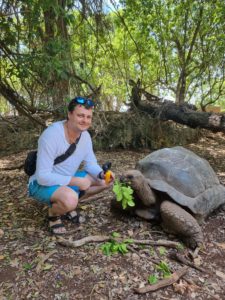
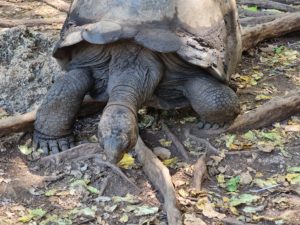
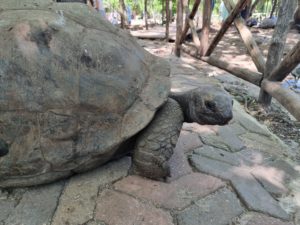
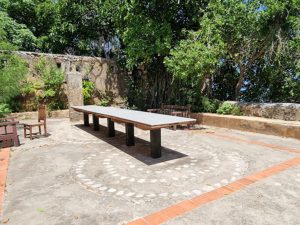
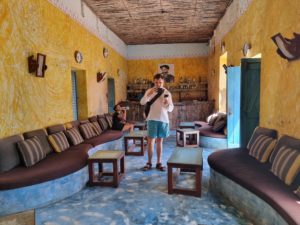
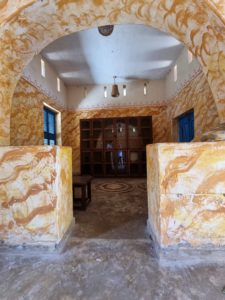
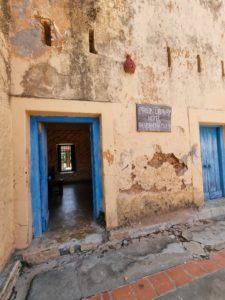
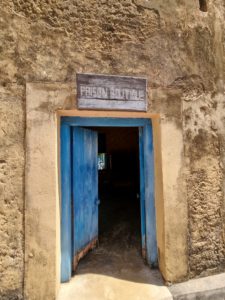
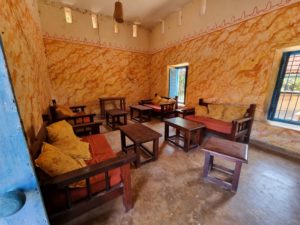
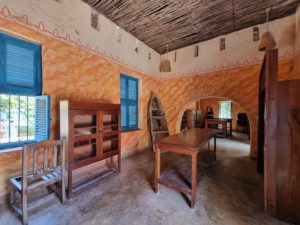
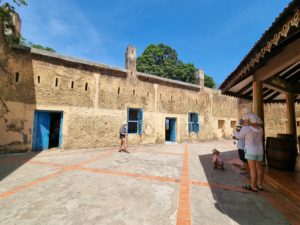
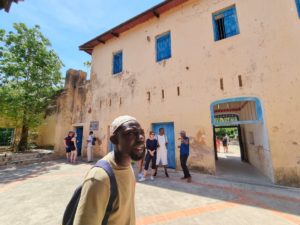
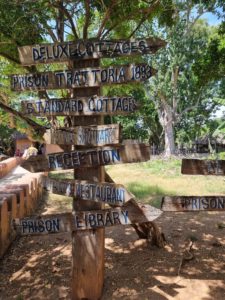
Our last excursion was Stone Town + Turtle Island (Prison Island) + a vanishing island (Nakupenda Island). For this excursion we were given a price of $60 for two with food, instead of $70. First you arrive in Stone Town, from where you immediately head to Prison Island, where you’ll see the prison island on which slaves were held before being sold. In 1893 the island was bought in order to build a prison on it for criminals from mainland Africa. In 1894 the prison buildings were completed, but despite this, no prisoners were ever housed there. A little later, seriously ill people were brought there for quarantine, and then in 1919 the governor of the Seychelles sent 4 giant tortoises, which quickly began to breed — and which you’ll later come to see. Beautiful views open up from the heights over the Indian Ocean, after which you go to the park with huge Seychelles tortoises. You’ll have about an hour there to take as many photos with the tortoises as you like, feed them, scratch them and look at them from every side. Then you’ll be taken to Nakupenda Island (a vanishing island), where you can swim and snack on fruit, as on the Safari Blue excursion, and they’ll also cook a seafood lunch with French fries (no rice), as on Safari Blue, but instead of slipper lobsters there’ll be ordinary lobsters, which I liked more than the slipper ones. Beer here, as on the other islands, costs 10,000 shillings, but the closer it gets to departure, the faster they lower the price to 5,000, just like in ordinary cafés and restaurants on Zanzibar. The next stop is our star, Stone Town. The excursion here is simple: you visit the shops if you like, go into the old fort with its beautiful towers, and see the Freddie Mercury museum/hotel — you can go inside for an extra fee if you wish. You’ll stroll along the town’s narrow, colourful streets and go into the bazaar. Here I want to go into more detail. After you’ve eaten well at the previous stop, if you have a weak stomach, ask the guide to arrange for you not to go into the market. The stench is terrible, there’s no hygiene, flies everywhere, and unidentifiable liquids run off the tables where fish lies until evening without any refrigeration. A little further on there’s the meat section, where things are no better: all the meat is covered in flies, and although the smell isn’t as foul as in the fish section, it still makes it hard to breathe. In short, we ran as fast as we could, and I nearly threw up twice. And in the evening my wife had to take pills to settle her stomach. All in all, I’d ask the excursion organisers to warn people about this horror before going in, and to take those who don’t want to see this mess through the vegetable section, where you can breathe.
That’s how we did our excursions in Tanzania.
Here’s the map of our excursions with the places we visited.
Your comments